By Trust Build Windows and Doors ·
Walk the blocks around Tecumseh Park or down Victoria Avenue in Chatham and you'll spot the same thing on a lot of houses: original wood-framed windows, often seventy-plus years old, with paint flaking off the exterior trim and a storm window bolted over top to slow the draft. Most of these owners aren't looking to change how the house looks. They want the cold air gone and the hydro bill back under control, without opening up a wall that's otherwise been fine since the place was built.
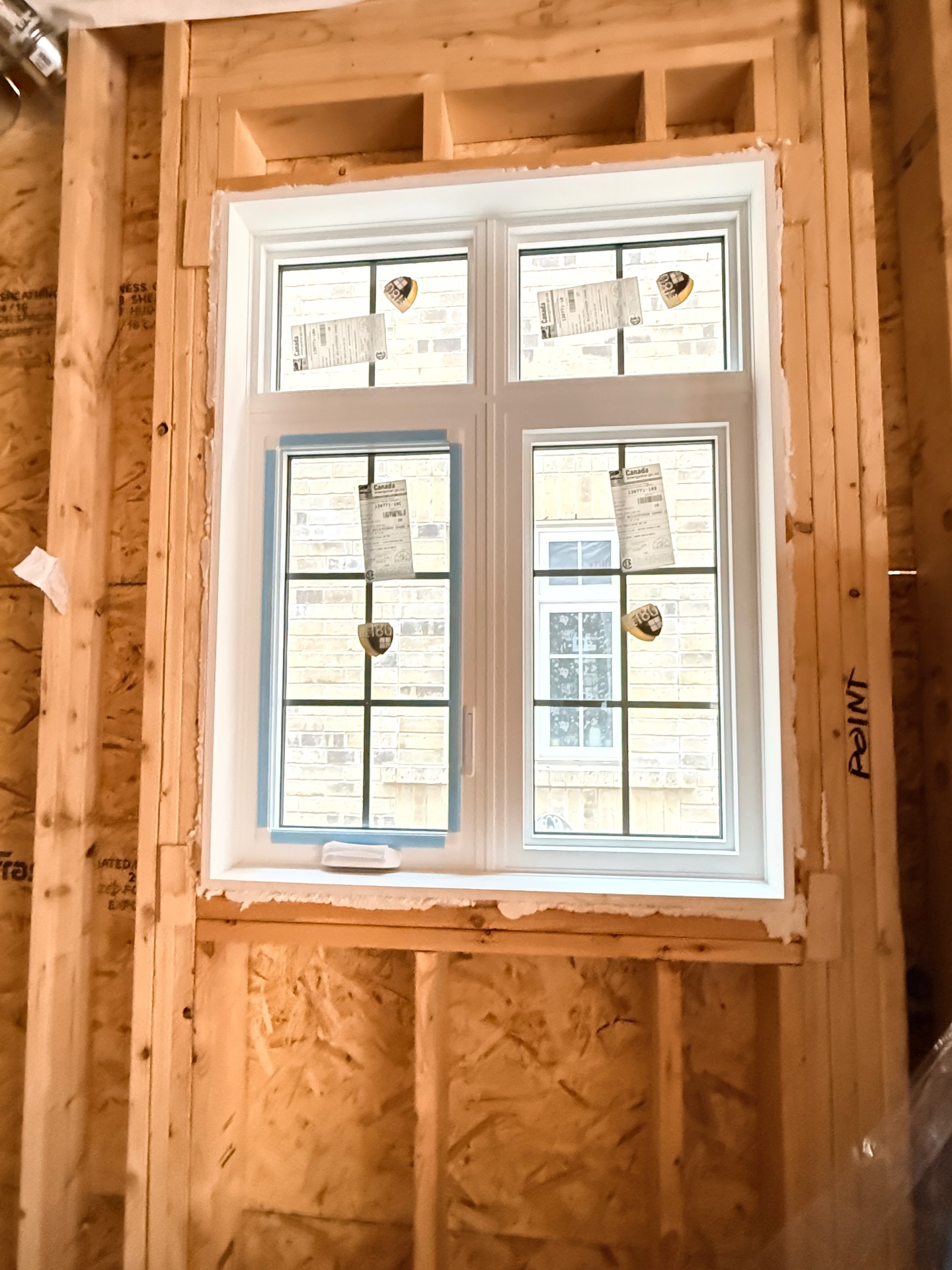
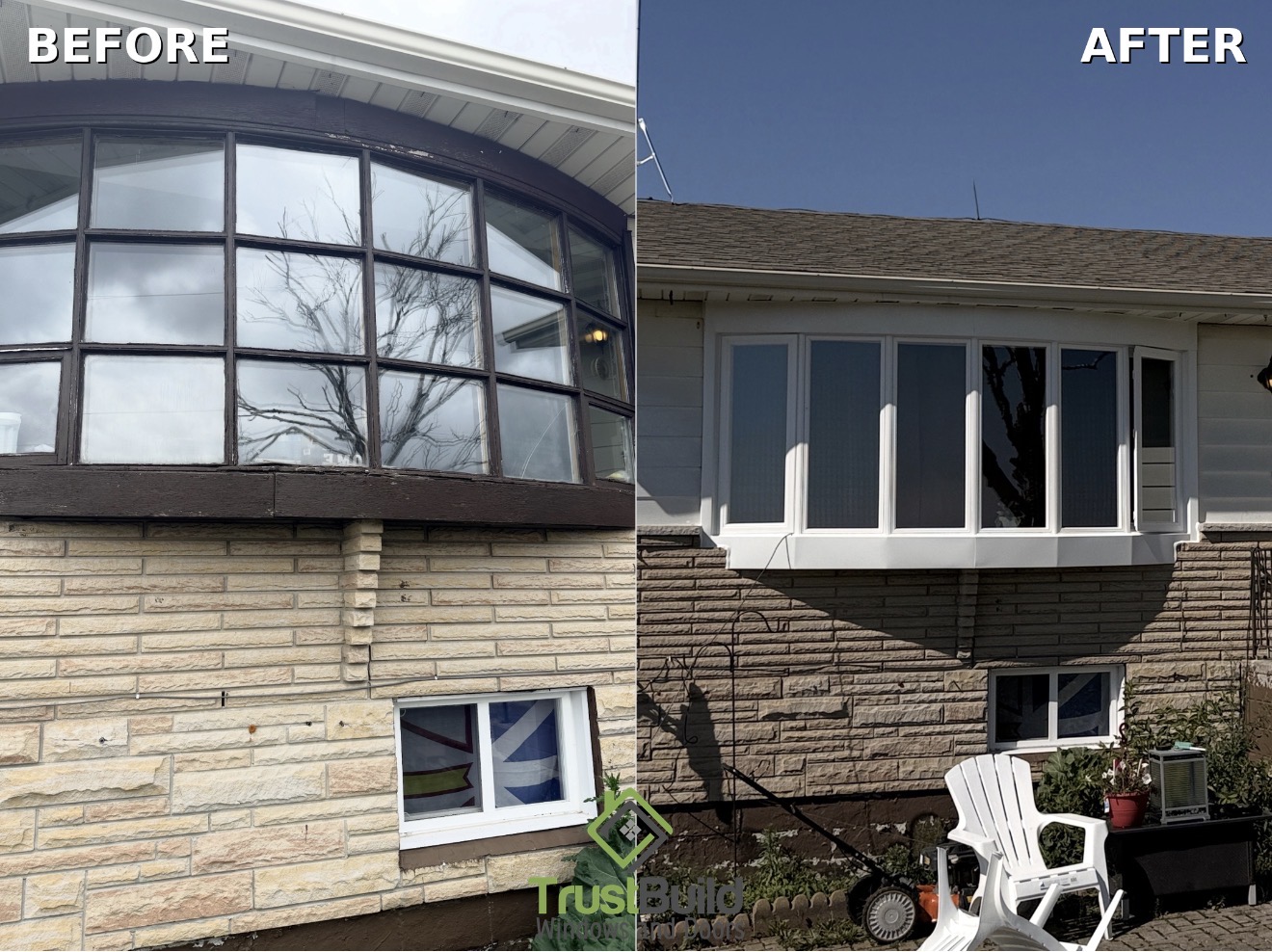
That's exactly the gap retrofit window installation was built to fill, and it's become a common recommendation for replacement windows in Chatham's older neighbourhoods. Instead of tearing out the brick or stucco around an opening, the installer removes only the old sashes, leaves the existing frame, exterior brick mould and interior trim in place, and fits a new vinyl window inside that existing frame. For the century homes closer to downtown Chatham, and for the brick bungalows that went up through the 1960s and 70s out toward Keil Drive, it's usually the fastest and least invasive route to energy-efficient windows when those existing frames are still sound, with nothing close to a full renovation.
Chatham-Kent's flat, wind-exposed farmland doesn't do the original windows here any favours. Add the humidity that rolls off Lake Erie and Lake St. Clair through the summer, and the freeze-thaw swings every winter, and seventy-year-old single-pane glass and warped wood sashes don't stand much of a chance. Condensation trapped between the storm window and the original sash, frames swollen shut so they won't latch, visible daylight around the trim — these aren't rare problems here. They're closer to the default for a home that hasn't had its windows touched since it was built.
Retrofit works when the existing frame is still square, dry, and structurally sound, which describes plenty of the older housing stock in Chatham's core — though only an inspection of each frame can confirm it. If the wood behind that brick mould hasn't rotted and the opening hasn't shifted, there's not much argument for a more invasive method. The exterior brick line and interior finish stay untouched, and the install itself usually runs well under an hour per window rather than the longer removal and finishing work a full-frame method needs.
Where I'd push back is on the idea that retrofit is always the cheaper, easier answer by default. If there's rot in the sill, water staining on the interior trim, or the frame has racked out of square — which turns up more than people expect on the older farmhouses scattered through the townships around Chatham, Blenheim, and Wallaceburg — retrofitting just seals the existing problem behind a new window. A stud-to-stud or brick-to-brick replacement costs more and takes longer, but it's the only way to actually fix a frame that's already failing underneath (our brick-to-brick vs. retrofit comparison lays out the trade-offs side by side). Any installer willing to recommend retrofit before they've opened things up and looked at the sill is guessing, not diagnosing.
The installation method doesn't change what glass sits behind it. A retrofit-installed vinyl window can still carry a full Energy Star rating, and for a Chatham winter that's not a minor detail — a double or triple-glazed unit with a Low-E coating, Cardinal's Low-E²-272 being a common choice for this climate, cuts heat loss through the glass itself on top of whatever's gained from sealing up the frame. It's worth asking any contractor exactly which glass package is quoted, because "Energy Star windows" covers a fairly wide range of actual performance.
Trust Build has installed windows for more than 8,700 homeowners across Ontario and serves homeowners throughout Chatham-Kent, with certified installation and Energy Star certified product options built for this kind of seasonal swing. Financeit's 0% interest financing is also worth asking about before locking in a timeline — it won't change which installation method a given home actually needs, but it changes how the project gets paid for. If you're not sure which category your home falls into, Trust Build's Chatham-Kent service page has more on what's involved for this area specifically, and the retrofit installation overview covers the method in more technical detail than fits here.