By Trust Build Windows and Doors ·
It's usually late October or November when the wind off Lake Erie turns from a breeze into something with teeth, and that's when a homeowner in Ridgeway or Crystal Beach notices it: a thin, cold stream of air coming off the edge of a casement window that was fine all summer. The crank still works. The sash still swings open and shut without a fight. The problem is somewhere else, and figuring out where is the difference between a $150 fix and a window you end up fighting every winter for the next five years.
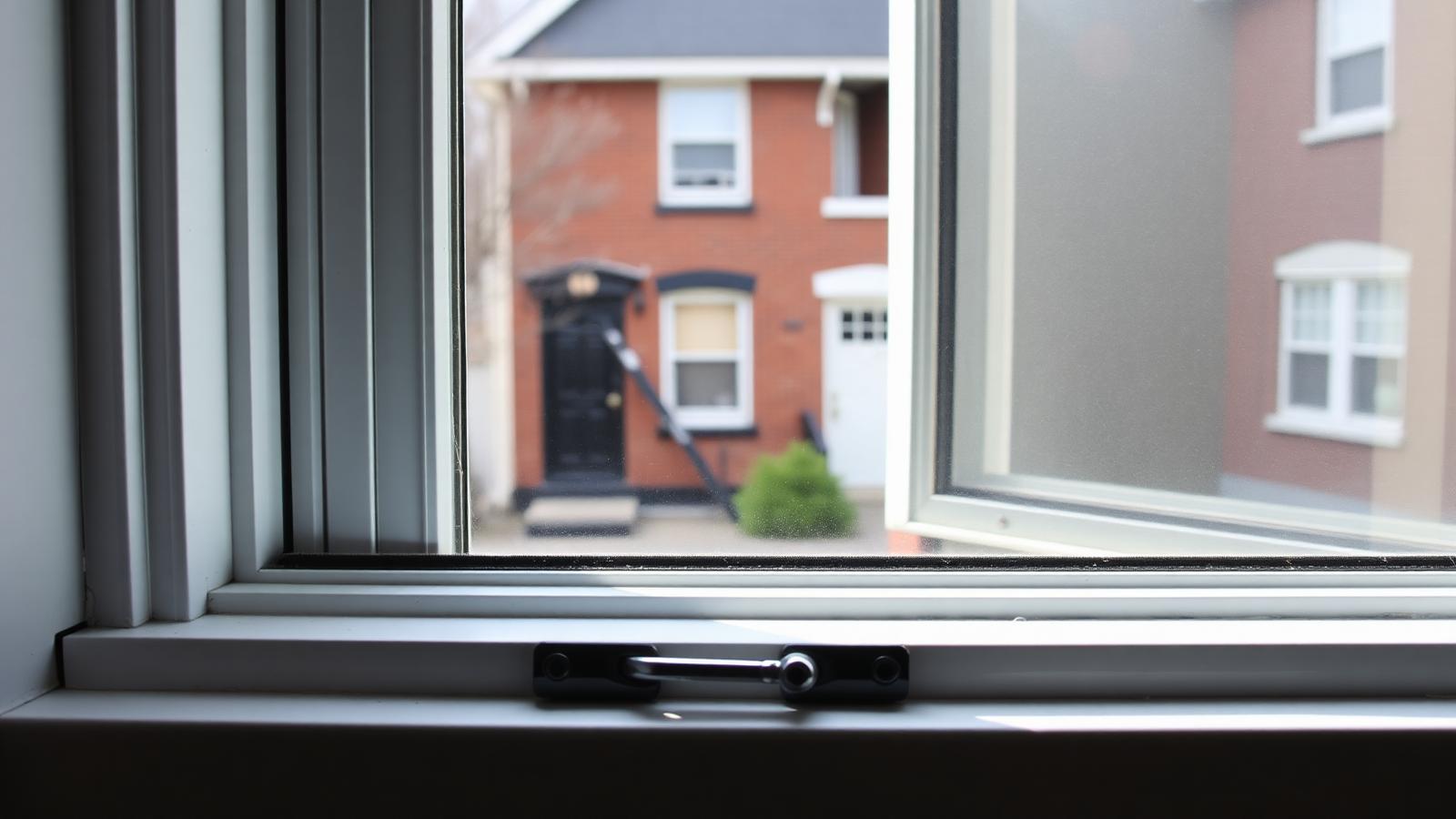
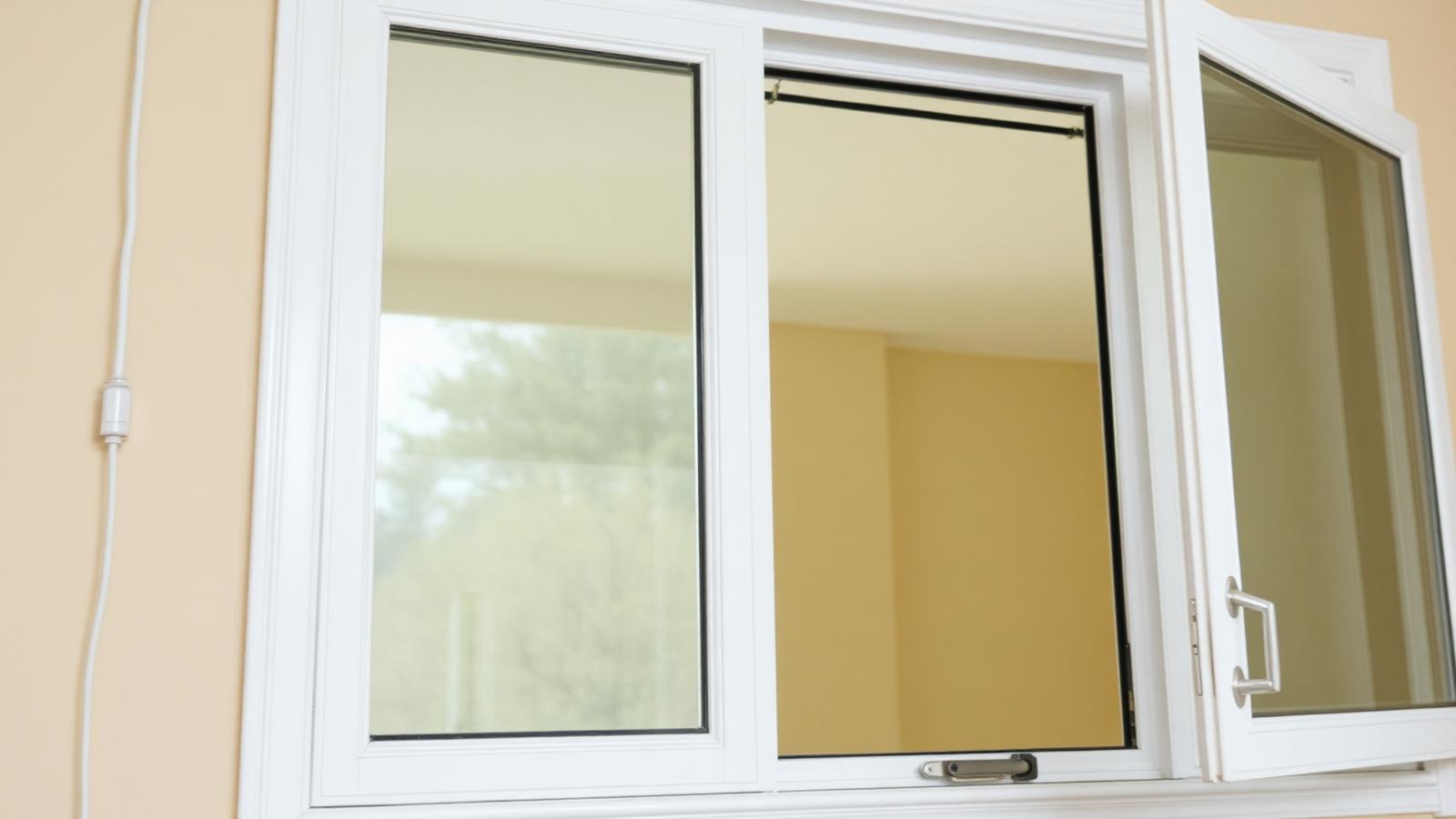
Casement windows seal by compression, not by friction. The sash swings shut, presses a rubber or foam weatherstrip flat against the frame, and a cam-style sash lock pulls the whole thing in tight against a metal keeper. When that seal fails, it's almost never the crank mechanism people assume is to blame. More often it's weatherstripping that's gone flat and brittle, a keeper that has drifted out of alignment, or a hinge that's sagged just enough to throw the sash a few millimetres out of square. None of those three things are reasons to replace a window. All three are things a technician can usually fix in under an hour, without touching the glass or the frame.
Fort Erie sees this kind of wear more than a lot of inland Ontario communities, and it's really about geography. Homes along the Niagara Parkway and through Bridgeburg and Ridgeway sit closer to sustained humidity and wind-driven rain off the lake and the river than a house in, say, Vaughan or Barrie ever will. That moisture works on rubber weatherstripping and exposed steel hardware faster than dry inland air does, even when the vinyl frame underneath is holding up fine. A good share of the casement windows coming up for repair in this area right now are original builder-grade units from the late 1990s or early 2000s — frames that are structurally sound but carrying twenty-five-year-old hardware that was never engineered to take three decades of lake wind.
A proper repair call starts with the sash itself, not the crank. Is it still square in the frame, or has it dropped slightly on the hinge side? Has the weatherstripping compressed into a permanent flat line instead of springing back after the window closes? Does the handle lock all the way home, or does it stop short because the keeper has walked out of position after years of being slammed shut against lake wind? Each of those gets addressed on its own — a new weatherstrip channel, a keeper reset with a shim or a slight re-drill, a hinge adjustment or swap. It's mechanical work, not glass work, and it should run a few hundred dollars rather than a few thousand.
Here's where I'd stop trying to repair and start pricing replacement windows instead: a sealed glass unit that's fogged between the panes — that seal has failed for good, and no amount of weatherstripping work fixes condensation trapped inside the glass. A vinyl frame that's visibly bowed, warped, or yellowed from years of direct afternoon sun on a west-facing wall. Or a window that's needed the same repair twice in three years. That last one matters more than most homeowners think — a casement that keeps coming loose isn't bad luck, it's telling you something about the frame or the original installation underneath the hardware, and at that point the repair bills are just a slower way of paying for a replacement you were always going to need.
If a casement window in Fort Erie really is done, the upgrade path isn't complicated. Current Energy Star windows handle lake-effect wind and humidity swings noticeably better than what builders were installing in this area twenty-five years ago, and a properly installed vinyl casement with a Low-E coated sealed unit — Cardinal's LoE²-272 is a common and solid choice for this climate — holds up to both the cold snaps and the damp stretches Niagara gets through fall and spring. Trust Build has installed replacement windows for more than 8,700 homeowners across Ontario, with certified installation and 0% financing available through Financeit for anyone who'd rather spread a full replacement out than cover it in one shot. None of that matters, though, if the real problem turns out to be a forty-dollar weatherstrip kit — get an honest diagnosis before anyone quotes a full window.