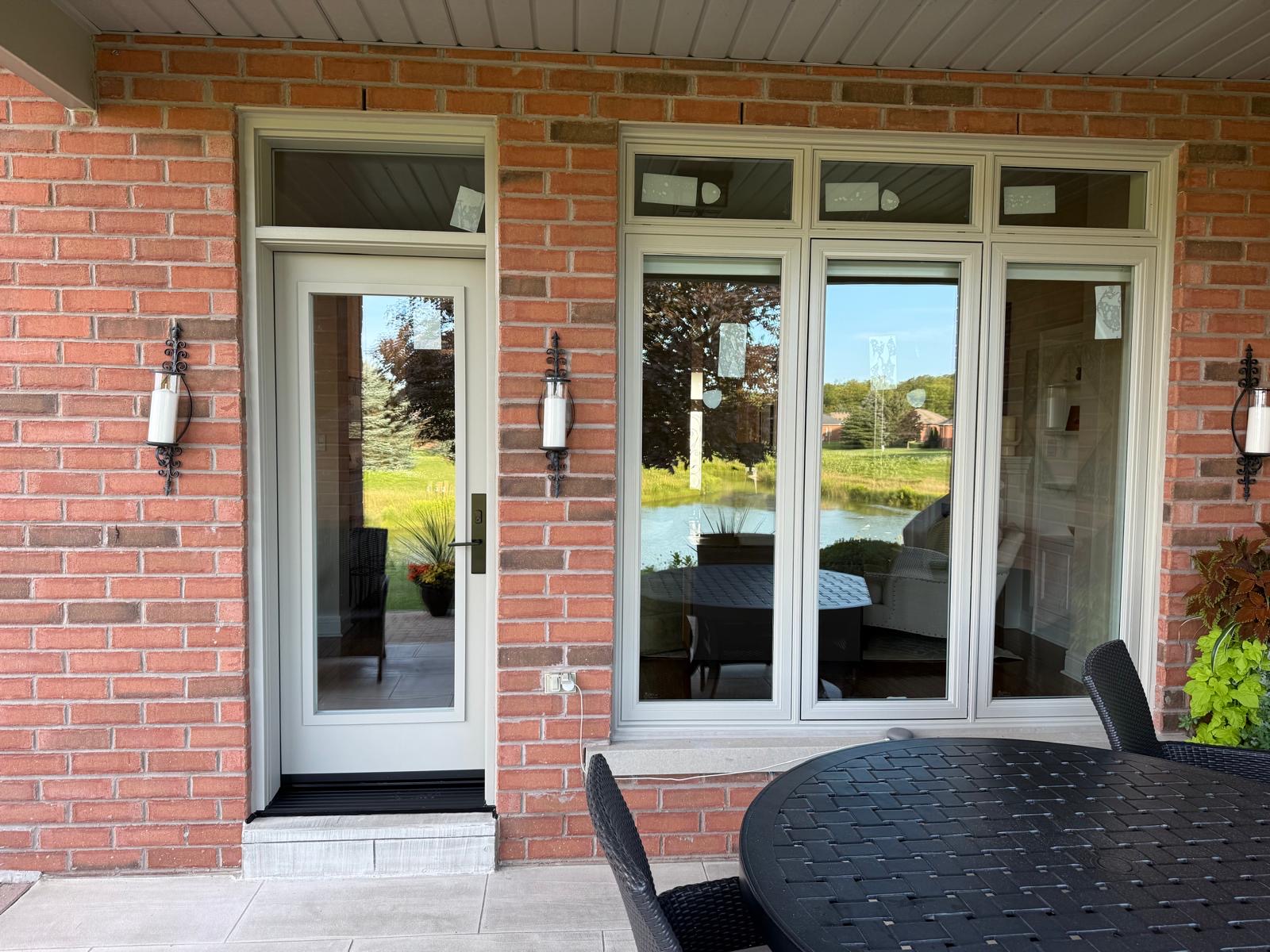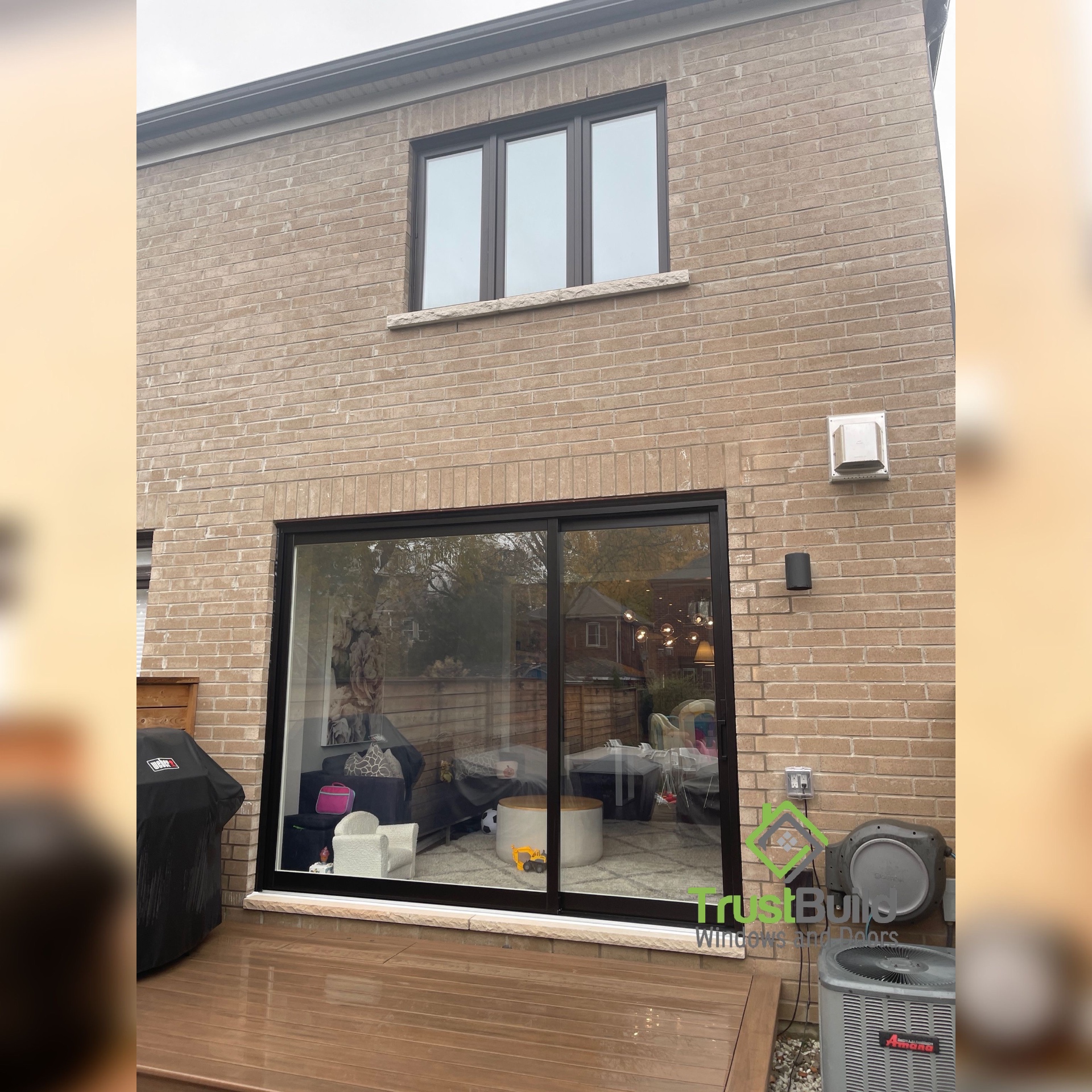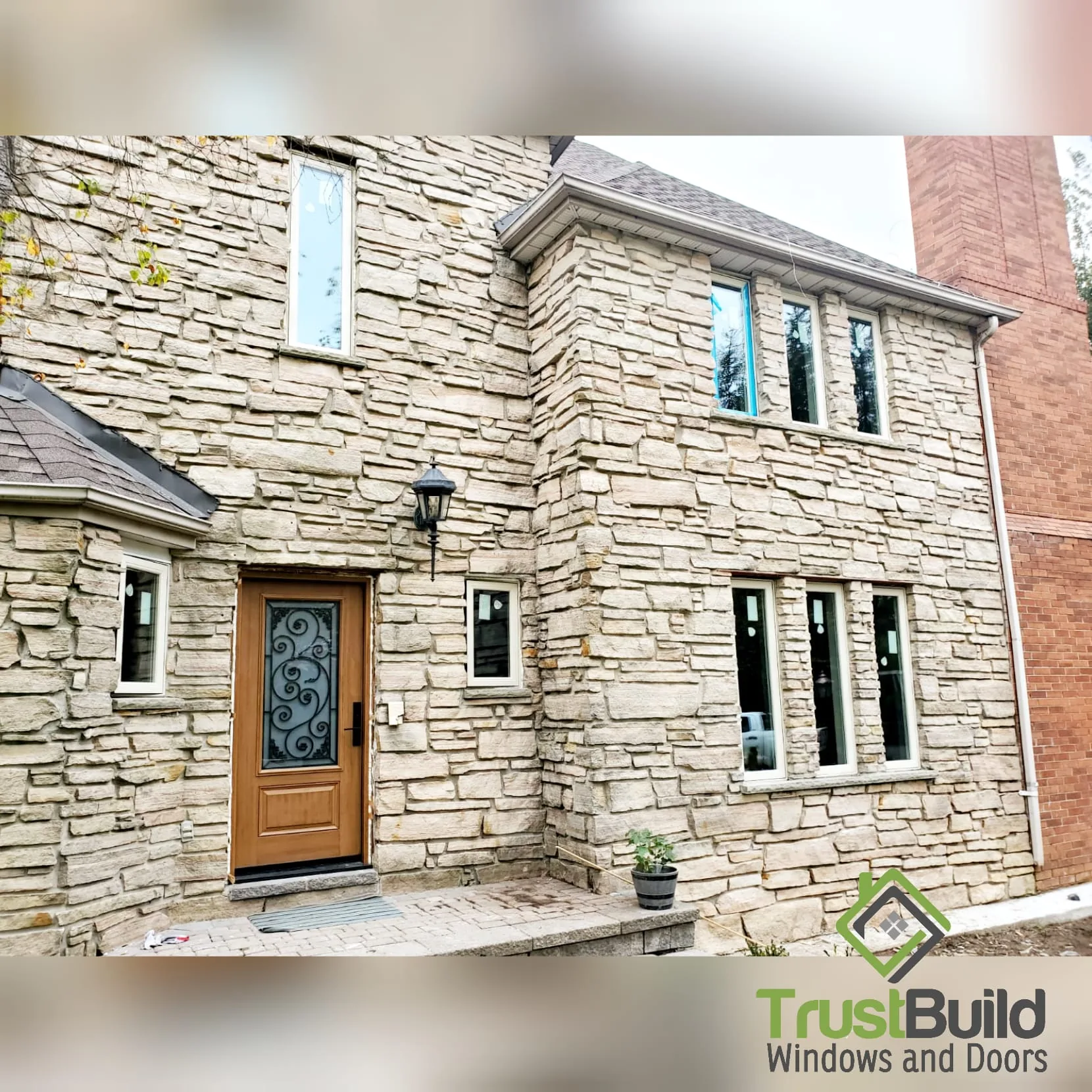
The handle turns and turns, and the sash barely moves. That's usually the first sign something's wrong with a casement window — not a cracked pane, not a drafty gap, just a crank that spins freely without doing its job anymore. It's one of the most common calls Toronto homeowners end up making about their windows, especially in east-end semis and post-war bungalows in neighbourhoods like Leslieville, Riverdale, and the Danforth strip, where a lot of casement windows went in during renovations in the late 1990s and early 2000s and are now hitting the age where hardware starts to fail before the glass does.
The good news is that a spinning handle doesn't automatically mean a new window. Casement windows work through a roto-operator — a geared mechanism that pushes and pulls an arm connected to the sash — and that mechanism can fail on its own while the rest of the window is fine. Over fifteen or twenty years, the gears inside wear down, especially on windows that get opened and closed often, or ones that were painted over at some point and never fully cleared out. Once the gears strip, the crank spins without resistance and the sash stays put.
Before assuming the worst, it's worth checking a few things that homeowners can usually handle themselves. Start with the track the arm rides in — dirt, dead insects, and old paint chips build up there over the years and can jam the mechanism just enough to make it feel broken when it isn't. A dry silicone-based lubricant works better than a household oil like WD-40, which tends to attract more dust over time and can gum up the gears rather than free them. If the sash still won't budge after cleaning and lubricating the track, check whether the sash itself is sitting square in the frame — homes on clay-heavy soil across the GTA shift slightly over the decades, and a frame that's racked even a few millimetres out of square will bind a sash no matter how well the hardware is working.
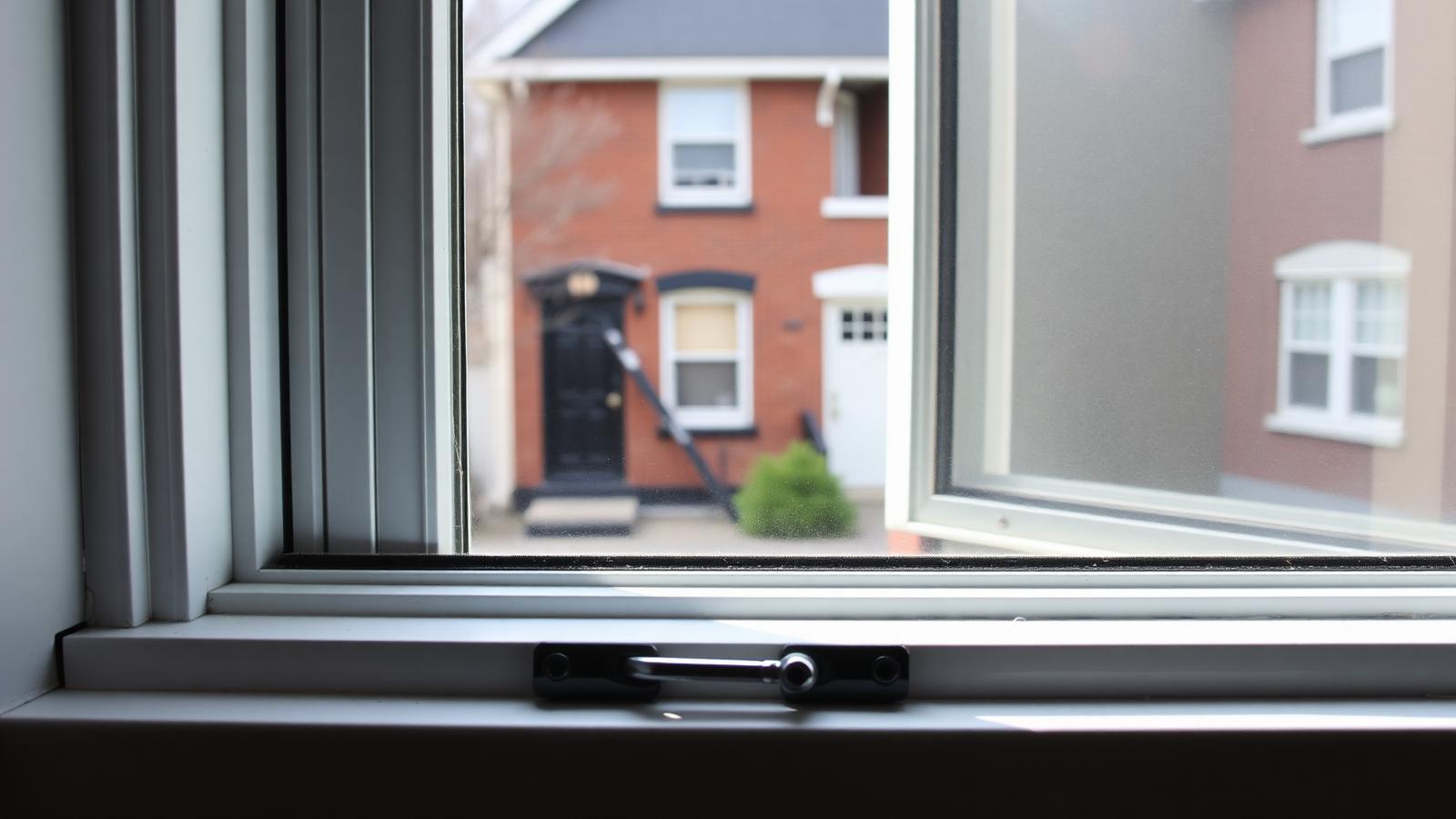
A few other common issues are just as fixable without replacing the whole unit. Weatherstripping around the sash compresses and hardens with age, which is usually what's behind a window that closes but still lets in a cold draft along one edge — swapping it out is inexpensive and something most hardware stores carry in standard casement profiles. Locking cams and keepers can also drift out of alignment as a house settles, which shows up as a handle that won't fully engage or a sash that rattles in high wind off the lake. Realigning the keeper plate usually solves it in a few minutes with a screwdriver.
Where DIY stops making sense is anywhere near the glass itself. If there's a visible haze or fog trapped between the panes that won't wipe away, that's not dirt — it's a failed seal on the insulated glass unit, and once the gas fill between the panes has escaped, cleaning the glass does nothing. At that point the sealed unit, and often the whole sash, needs replacing rather than repairing. The same goes for rot or soft spots in the frame itself, particularly around the bottom corners where water tends to sit; if the wood underneath the vinyl cladding has started to break down, patching the surface hardware won't stop the deterioration happening inside the wall.
There's also a practical age cutoff worth knowing. Roto-operators, hinges, and weatherstripping are all replaceable parts, but on a window that's already twenty-plus years old, fixing one failure point often just buys time until the next one shows up — and older casement units in Toronto homes were rarely built to the glazing standards that are common now. When a homeowner is looking at a second or third repair on the same window within a few years, it's usually more cost-effective to price out replacement windows rather than keep chasing individual parts, particularly since current Energy Star-certified vinyl windows perform meaningfully better through a Toronto winter than what was standard hardware and glass twenty years ago.
Trust Build Windows and Doors has walked Toronto homeowners through this exact decision more times than most — repair the mechanism, or replace the unit — as part of the window installation work it's done across more than 8,700 homes in Ontario since 2016, and 0% interest financing is available for homeowners who'd rather spread the cost of a full replacement over time than pay for a string of smaller repairs. For a window that's still structurally sound with only a hardware problem, though, a repair is usually the right call first — it's just a matter of knowing which symptom is which.