By Trust Build Windows and Doors ·
A sliding door that drags along the track usually has a worn roller or a dirty track, which is repairable. A door that is foggy between the panes, leaks at the sill, or has dropped so far that the frame no longer closes squarely is usually past the point where repair pays off. Telling the two apart before spending money is the whole job of this guide.
Problems that are usually repairable
- Stiff or noisy movement. Debris in the bottom track and dried-out or worn rollers cause most sticking. Vacuum the track, wipe it clean, and use a silicone-based lubricant rather than an oil that attracts dirt. If the door still drags, the rollers may be worn flat or out of adjustment. Most sliding doors have adjustment screws at the bottom of the panel to raise or lower the roller.
- A latch that does not catch. If the panel has shifted slightly, the latch and strike no longer line up. Re-levelling the panel with the roller adjusters often fixes it. If the lock hardware itself is worn or broken, parts availability varies by manufacturer and age.
- Worn weatherstripping. Brush pile and bulb seals compress and flatten over the years. Replacing them can reduce drafts and noise, provided the frame and glass are otherwise sound.
Problems that usually mean replacement
- Fogging or moisture between the panes. This means the sealed glass unit has failed. On a sliding door the glass is a large, heavy panel, and replacing only the glass is often not practical compared with replacing the door. Our glass replacement FAQ explains how failed glass units are judged.
- Water at the sill or damage under the frame. If water is getting past the sill, the issue is the door's drainage, flashing or the structure under it. Replacing rollers will not solve that, and the frame should be assessed.
- A frame that has warped, bowed or dropped. If the panel binds even after the rollers are adjusted, or the frame is visibly out of square, the door is no longer sitting properly in its opening.
- Persistent drafts and condensation on the inside of the glass in winter. Older doors often have frames that conduct cold. When the door is simply old and inefficient, repairs do not change that. See our comparison of double and triple pane glass.
A quick way to decide
Start with the cheapest fix: clean and lubricate the track, adjust the rollers, and replace the weatherstripping if it is flattened. If the door moves smoothly afterward and you see no moisture, glass fogging or frame damage, you have solved it. If any of the structural or glass symptoms above remain, further repairs usually delay the replacement rather than avoid it.
If you are replacing: sliding door or garden doors?
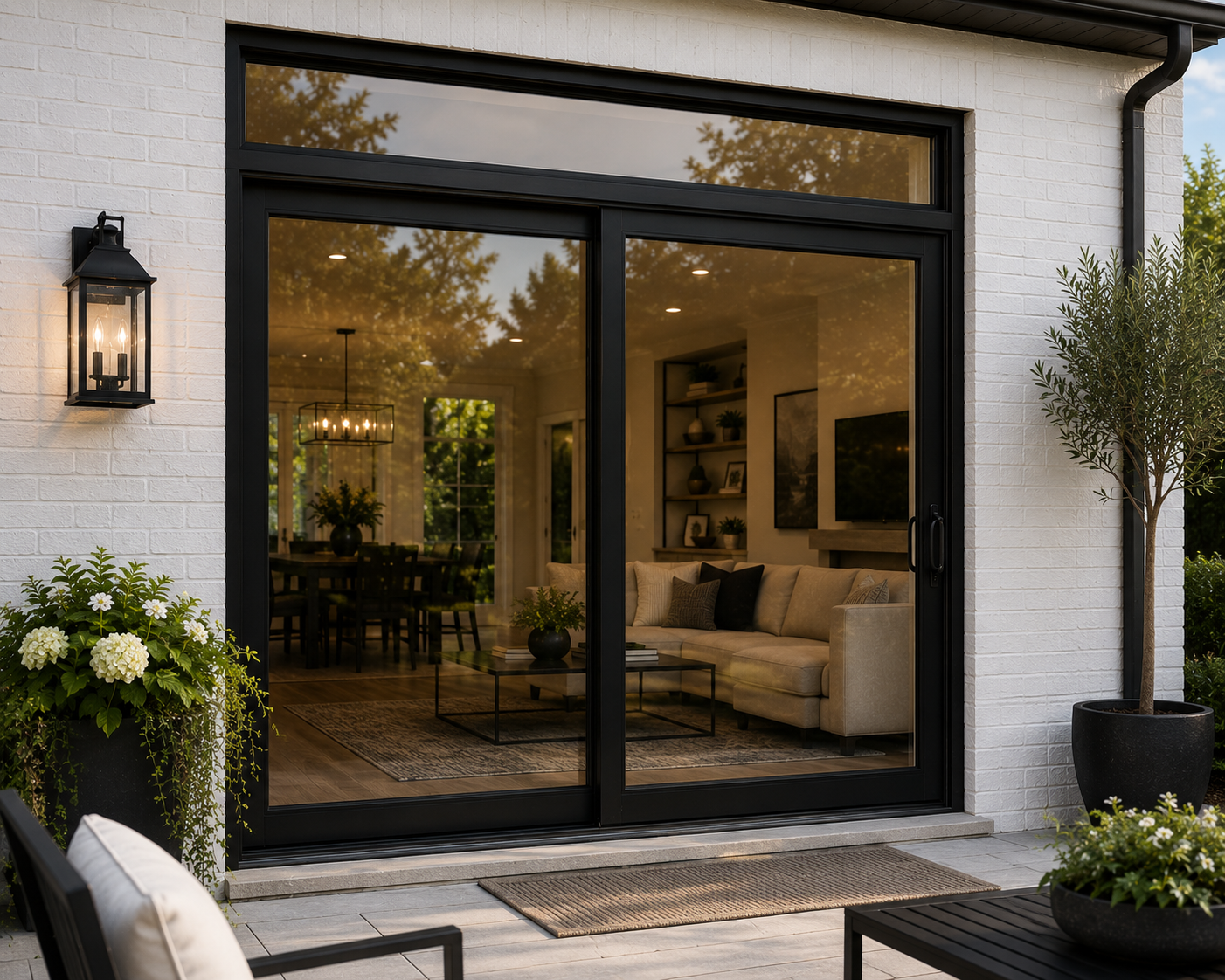
Replacement is also the moment to reconsider the door type. Sliding doors suit tight spaces and wide openings with a simple track. Garden (French) doors swing open and give a different look. Our sliding versus garden door buying guide compares the two, and the sliding patio door replacement guide covers what to check before you order.
What a replacement involves
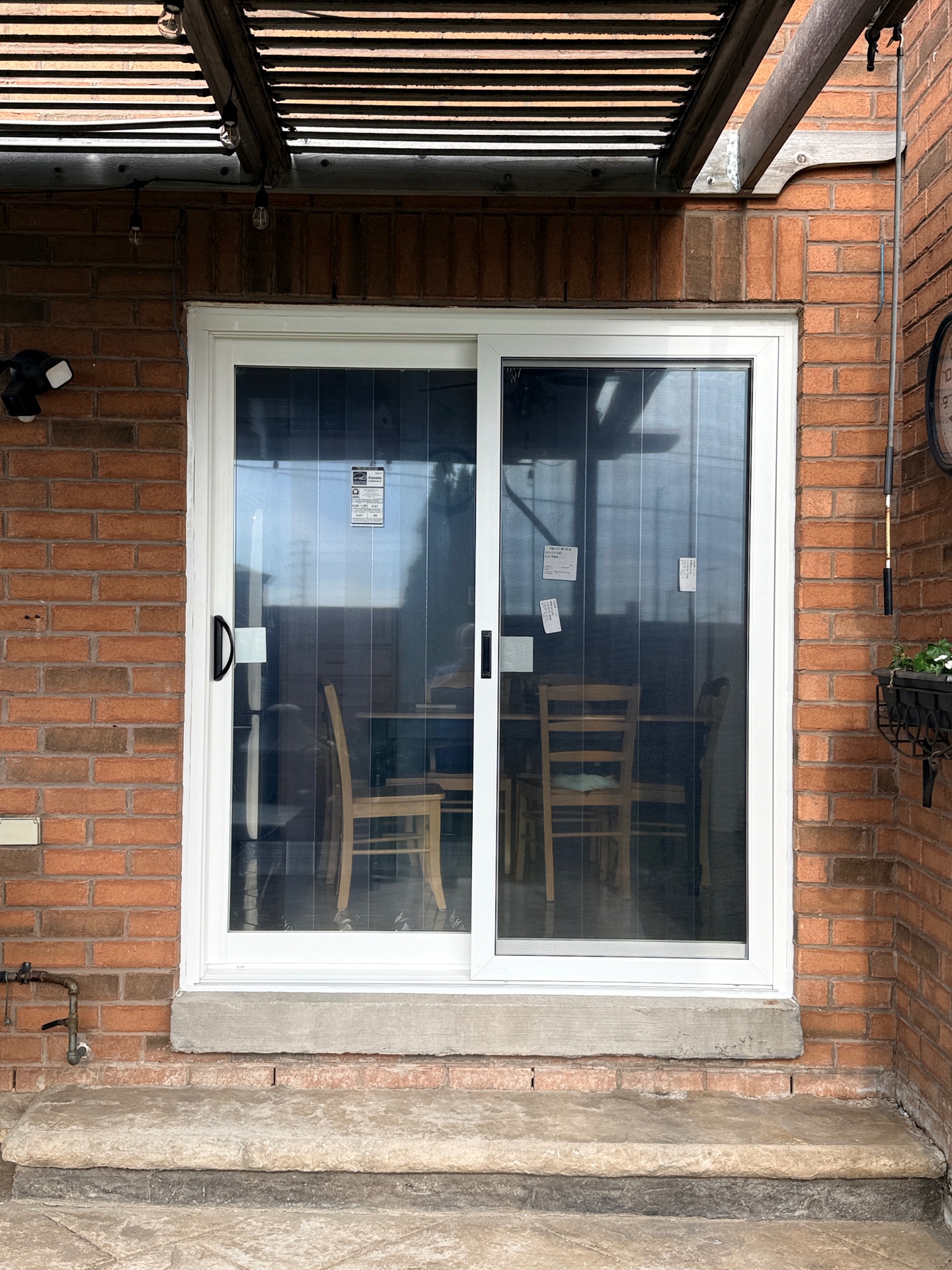
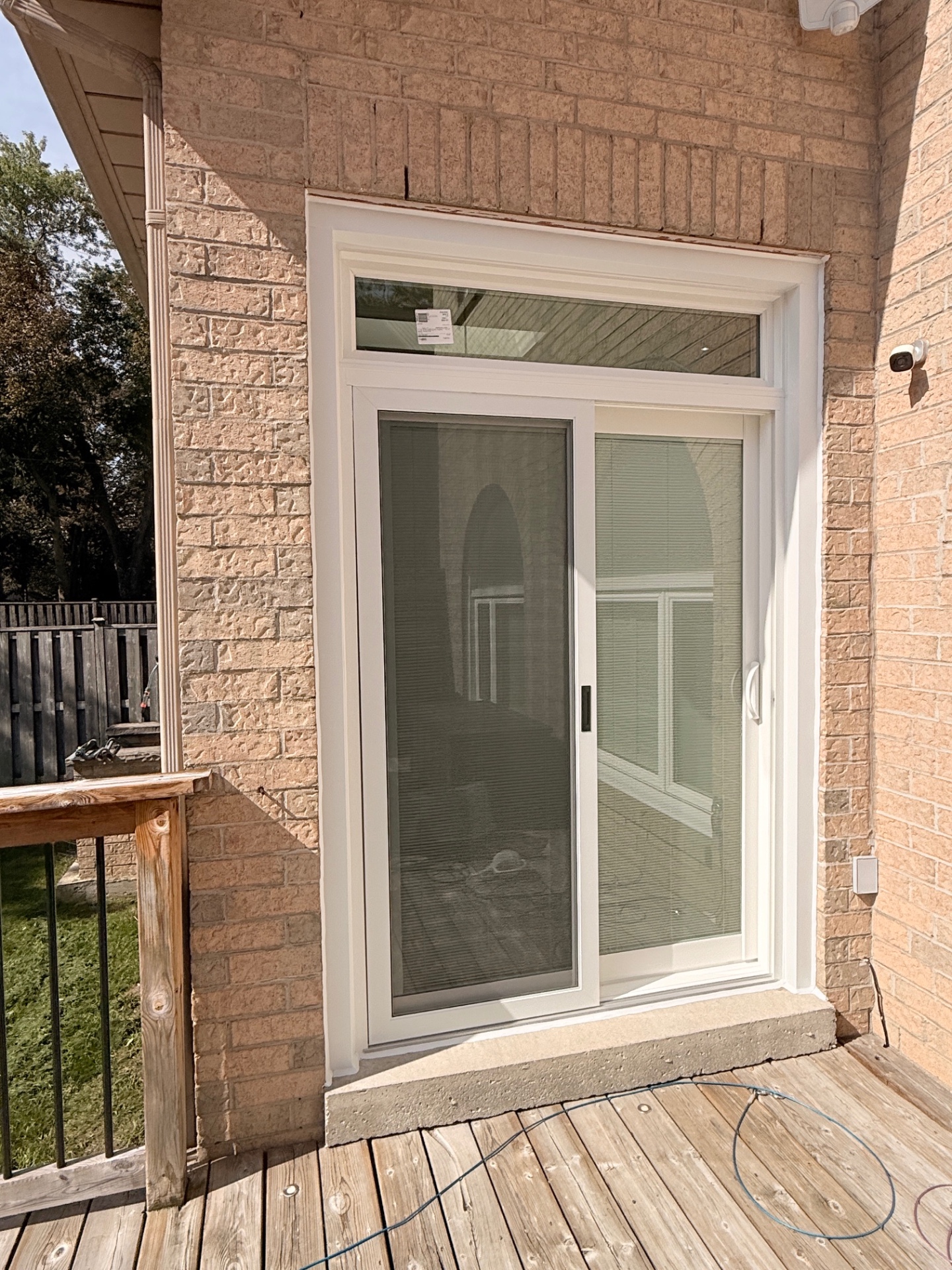
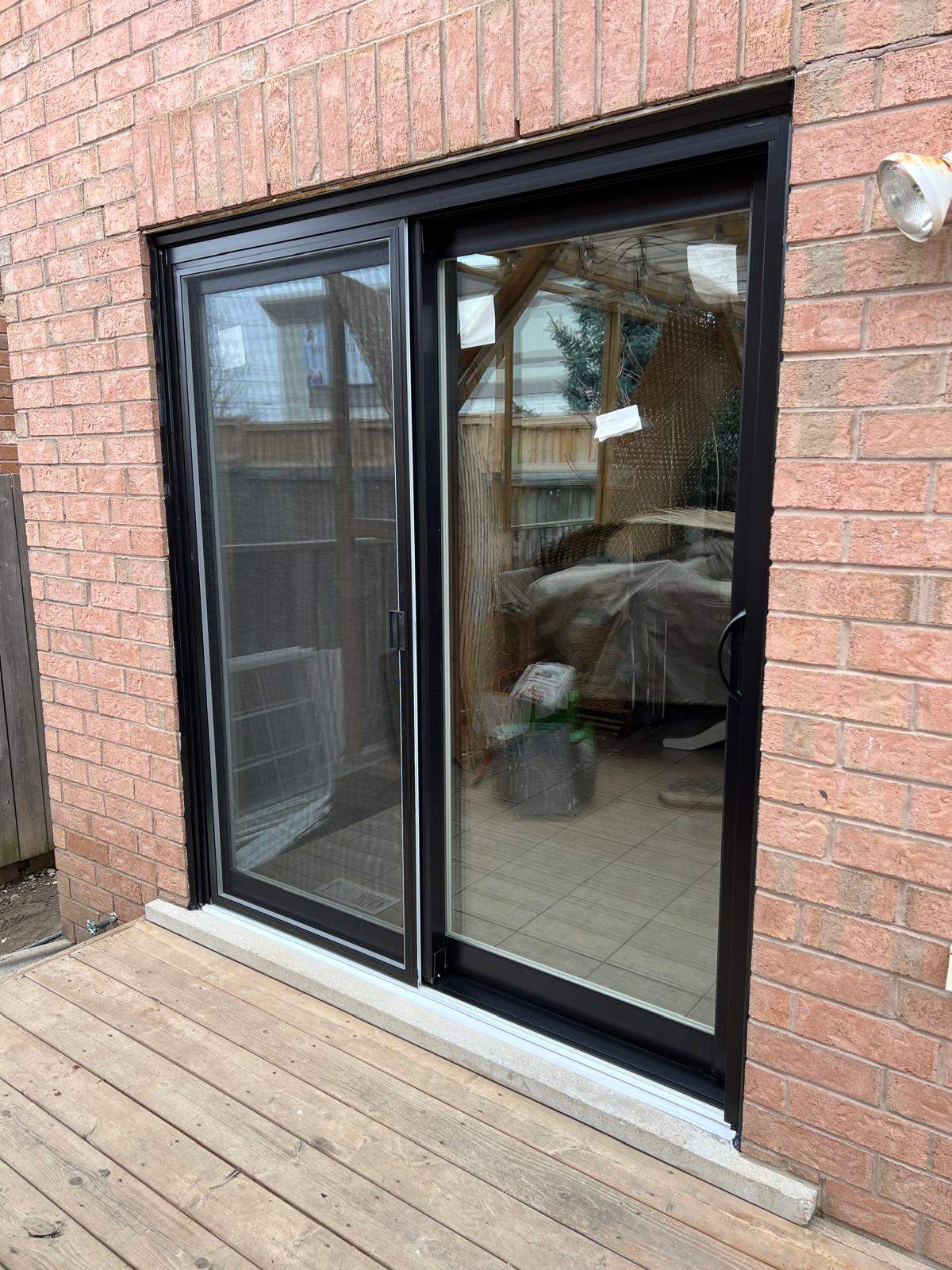
A replacement sliding door is measured for the opening, ordered to size, and installed with the frame properly flashed and sealed at the sill. Many Mississauga homes have rear walkouts and decks, so the sill detail and the way water drains away from the door matter as much as the door itself. Products are ENERGY STAR certified, and financing is available at 0% for 12 months through Financeit. If you are combining the door with other upgrades, the Home Renovation Savings program lists incentives for qualifying work. Eligibility depends on current program requirements and the administrator, so check before you begin.