Both stop the same crime — someone smashing a pane and reaching in for a lock — but they do it in completely different ways, and knowing the difference matters more than the marketing for either one usually lets on.
What each one actually does
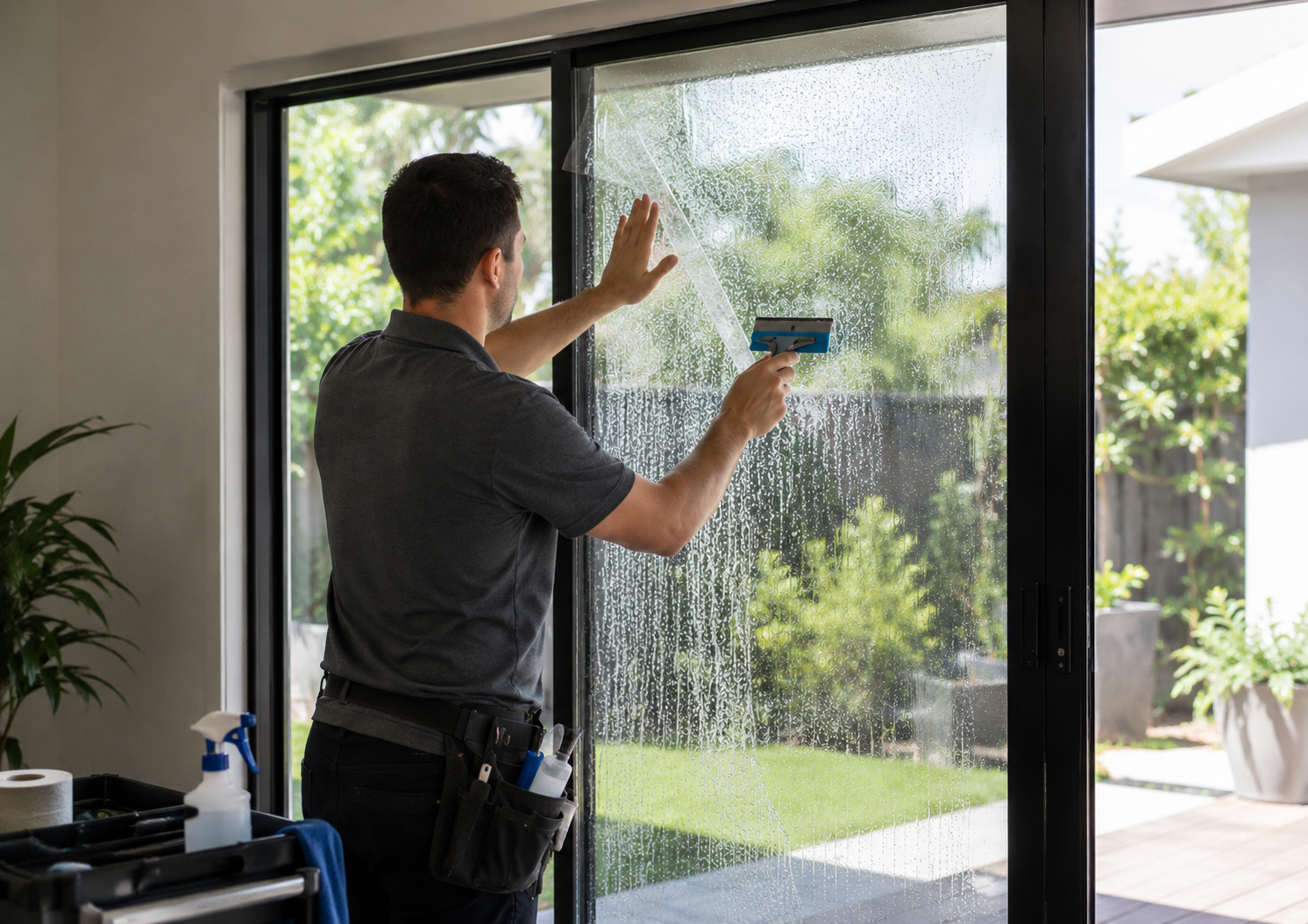
Security film is a polyester laminate applied to the inside surface of existing glass. When the glass is struck, it still cracks — film doesn't prevent that — but the adhesive layer holds the shattered pieces together in a sheet instead of letting them fall away. There's no hole to reach through until someone works the film loose from the frame, which takes time and noise, not one clean hit.
Laminated glass is a different product entirely: two layers of glass fused to an interlayer at the manufacturing stage, installed as the window unit itself rather than added afterward. It behaves the same way under impact — cracks but holds together — but because the interlayer is bonded during fabrication rather than applied to existing glass, it typically holds up to more strikes before an opening forms.
Where the real differences show up
Film is retrofit-friendly. It goes onto glass you already have, which makes it the practical choice for a rental property, a home going up for sale soon, or any situation where replacing the glass units isn't on the table. Laminated glass requires the window or door to actually be replaced, since it has to be built into a new sealed unit — more disruptive, but it becomes a permanent part of the window rather than an add-on that could eventually need reapplication.
Cost follows the same logic. Film is priced per opening and is the lower up-front cost of the two. Laminated glass is priced as part of a full window or door replacement, so the security upgrade rides along with a project you may already be planning rather than being a standalone cost.
Neither one is "bulletproof" — and that's not the point
Both products are correctly described as delaying entry, not preventing it outright. Nothing sold for residential use is described honestly as unbreakable. What both products change is the time and noise required to get through — from a few seconds and one sound, to a much longer, much louder process that most people attempting a break-in aren't willing to risk.
Which one makes sense for your situation
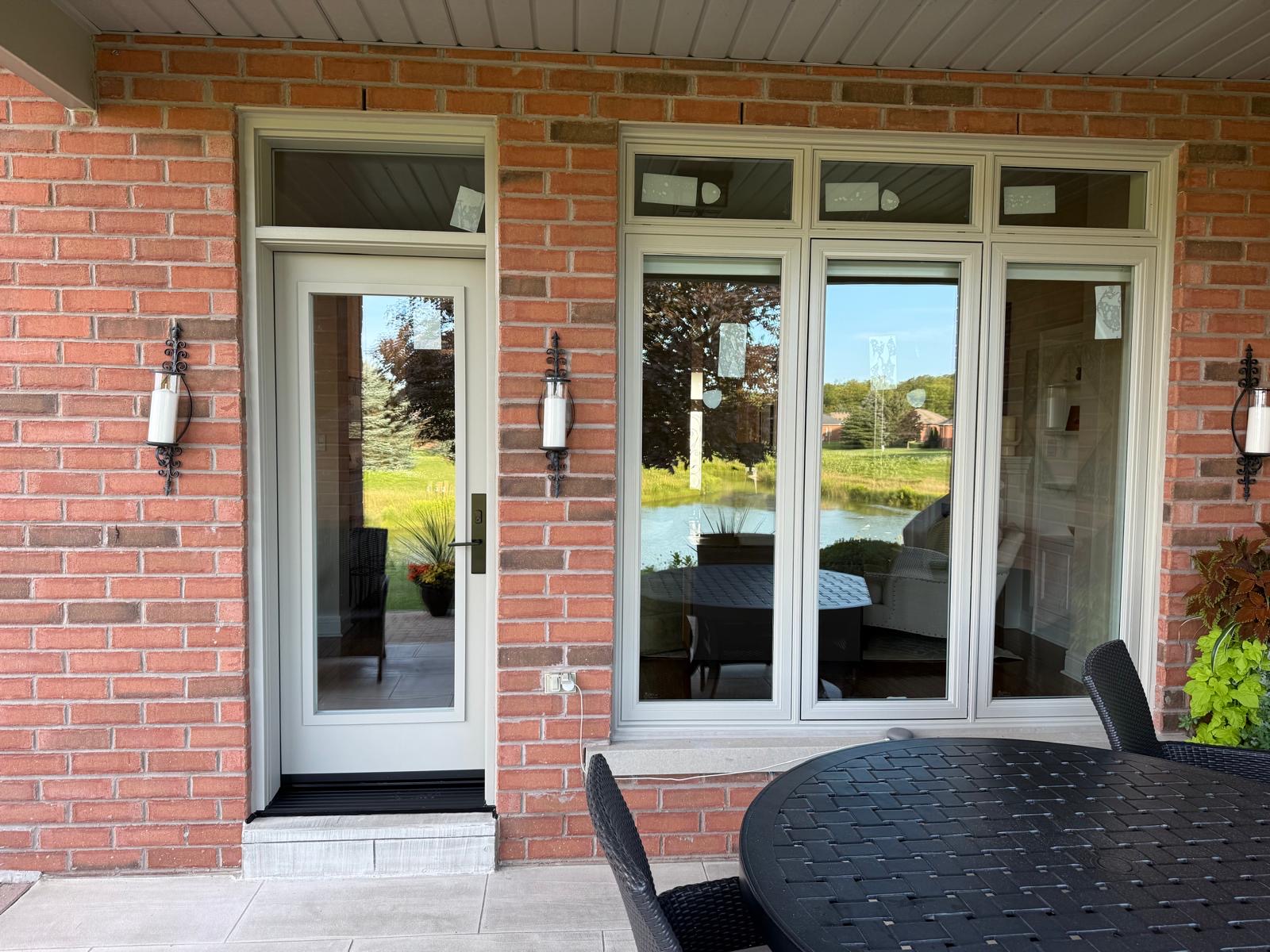
Film is the better fit when the glass itself is fine and you want security added without a renovation — ground-floor windows, sidelites next to an entry door, a patio door on a walkout basement. Laminated glass makes more sense when you're already replacing windows or doors for other reasons — age, drafts, failed seals — and want the security upgrade built in rather than layered on afterward.