There's a specific sound an old garage door makes on a January morning in Orillia, somewhere around minus twenty with the wind coming off Lake Couchiching: a groan, then a shudder, then a few seconds where it doesn't move before it finally lurches up the track. If you've heard it, the door is on borrowed time. The steel skin has contracted in the cold, the old foam-and-cardboard insulation inside has separated from the panel, and the rollers are dragging through tracks that iced up overnight. None of that fixes itself.
Orillia's garage doors take a harder beating than most people expect for a town this size. It's the combination of lake-effect squalls that dump snow fast and sideways, driveways that slope toward the road on the older streets near downtown, and winters that swing from minus twenty-five to a slushy thaw and back within a week. Salt spray off the road gets flung onto the bottom two panels of every garage door on the street, and that's usually where you'll find the first real rust — not because the door was cheap, but because nothing survives twenty-plus years of that cycle without some kind of protective coating.
What actually separates a good garage door from a bad one here
Most homeowners shopping for a replacement door start by comparing colours and window styles, which is fine, but the decision that matters more is insulation. A single-layer steel door with no polystyrene or polyurethane core will transmit cold straight through, and if your garage shares a wall with the house — a mudroom, a laundry room, a bedroom above — you'll feel it. Polyurethane-injected garage doors run somewhere around R-16 to R-18 depending on thickness, versus R-6 to R-9 for polystyrene sandwich doors. For an attached garage in Orillia, especially one that backs onto a heated room, the higher R-value earns its keep over a winter or two just in reduced heat loss through that shared wall.
Wind resistance matters here too, more than people assume. Orillia sits in a corridor where lake-effect gusts off Simcoe and Couchiching can hit a garage door broadside, and a door without reinforced struts can bow or pop off its track in a bad squall. Look for a door rated for the wind load your street actually sees, not just the manufacturer's base model.
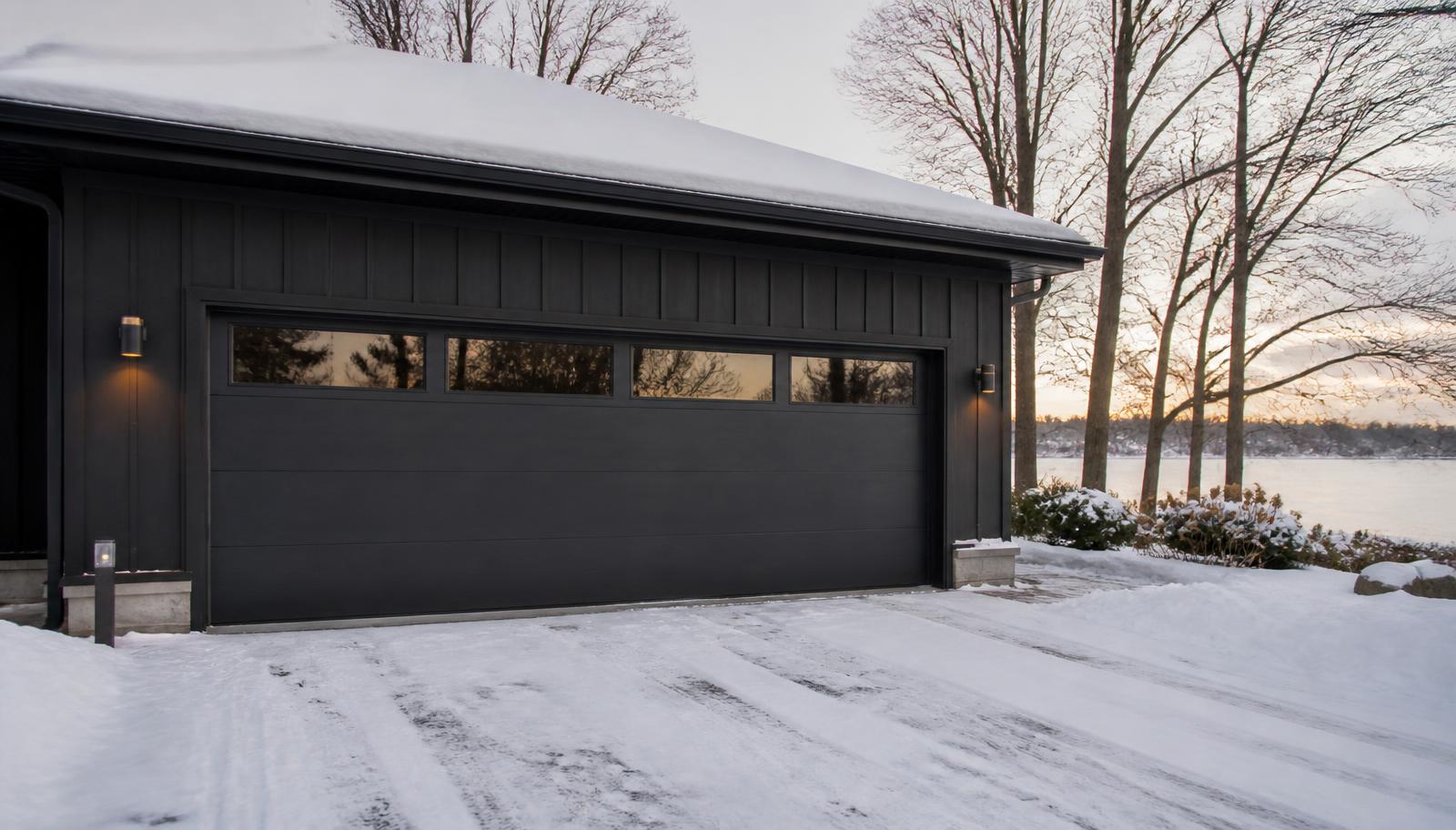
Style-wise, the town has a real split in housing stock. Older bungalows near downtown tend to have single-car garages with narrower openings, where a carriage-style door with faux hardware suits the house without looking like it's trying too hard. Newer builds out toward Lightfoot Trail and West Ridge run bigger — double and triple bays, taller openings for trucks and boat trailers — and those homes generally look better with a cleaner, flatter panel profile that doesn't compete with a larger façade. If your garage doubles as workshop or storage for a boat or sled, which is common enough here that it's practically its own category of buyer, mention that to whoever measures your opening, since taller and wider openings change the structural requirements for the door and the header above it.
Glass is worth a moment too. A lot of newer garage door designs include a row of windows across the top panel for light and curb appeal. Any glass in a garage door should be tempered — it's the section of glass in your house most likely to take a direct hit from a hockey stick or a stray snowblower chute, and tempered glass breaks into small, blunt pieces instead of shards.
Installation and what to expect
A standard garage door replacement, including removal of the old door, new track and rollers, weatherstripping, and a new opener if you're upgrading, typically runs one day. Openers are worth a second look — a battery-backup opener isn't a luxury feature around Lake Couchiching, where winter storms take out power for a few hours a handful of times a season, and nobody wants to be stuck manually cranking a door open at 6 a.m. to get to work.
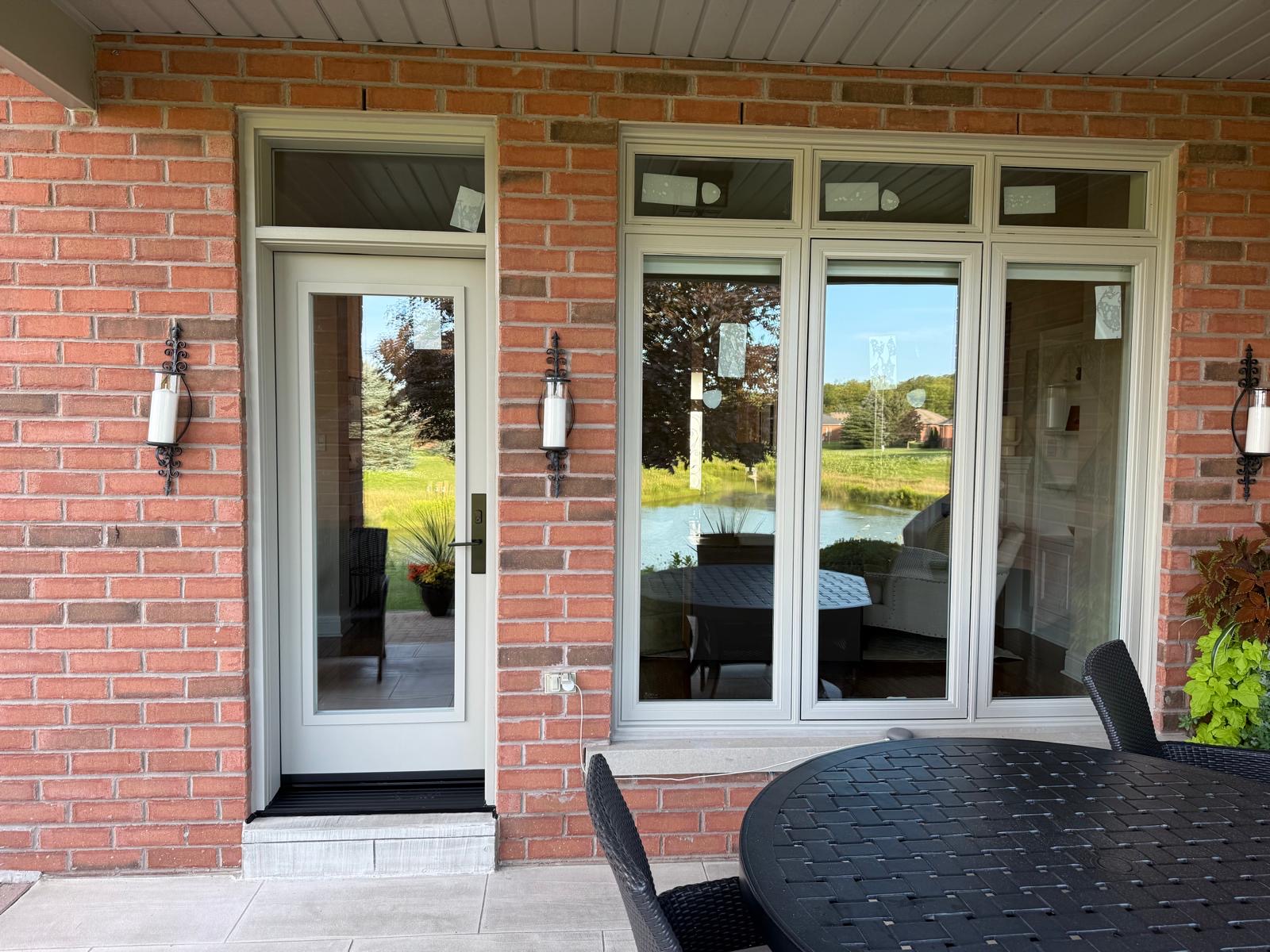
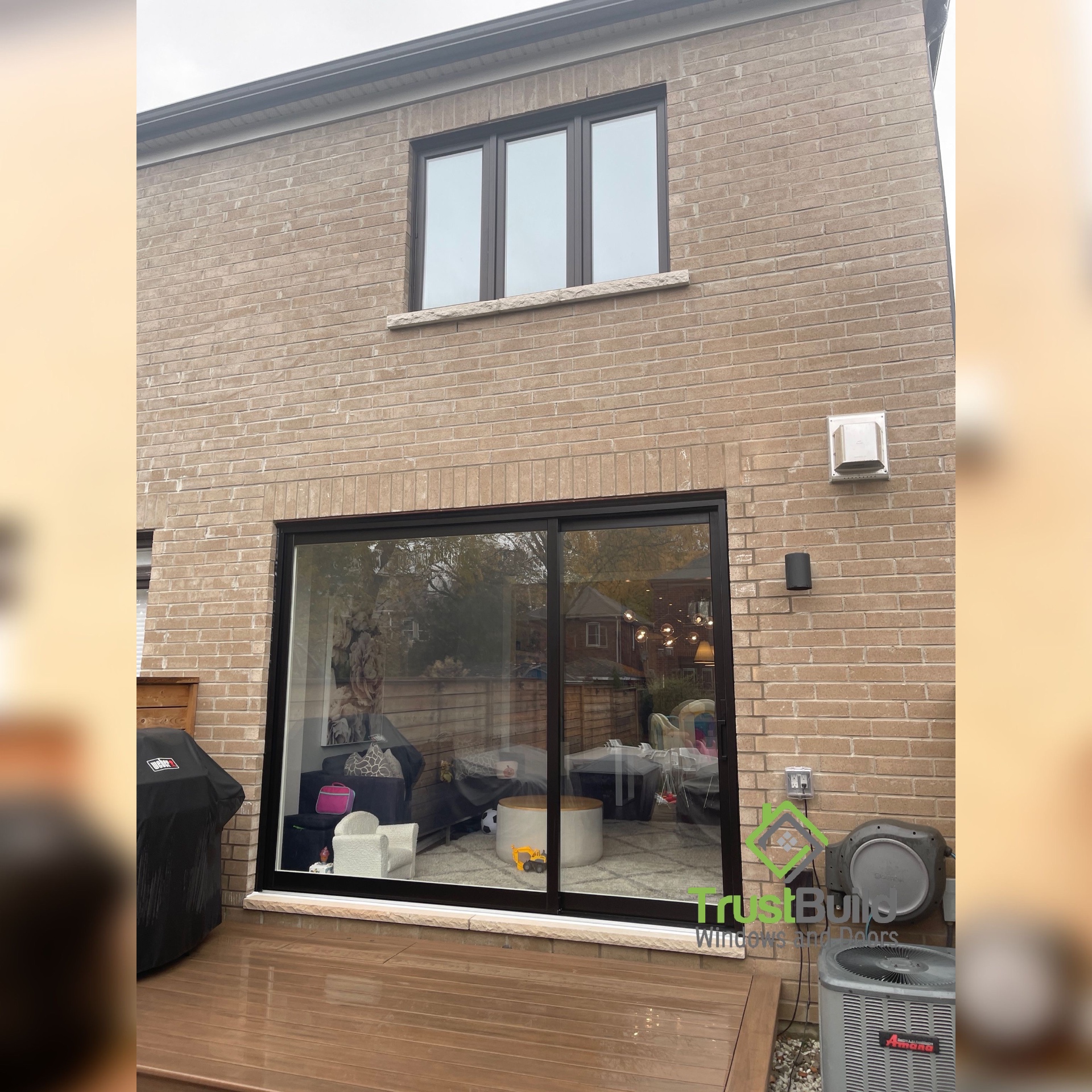
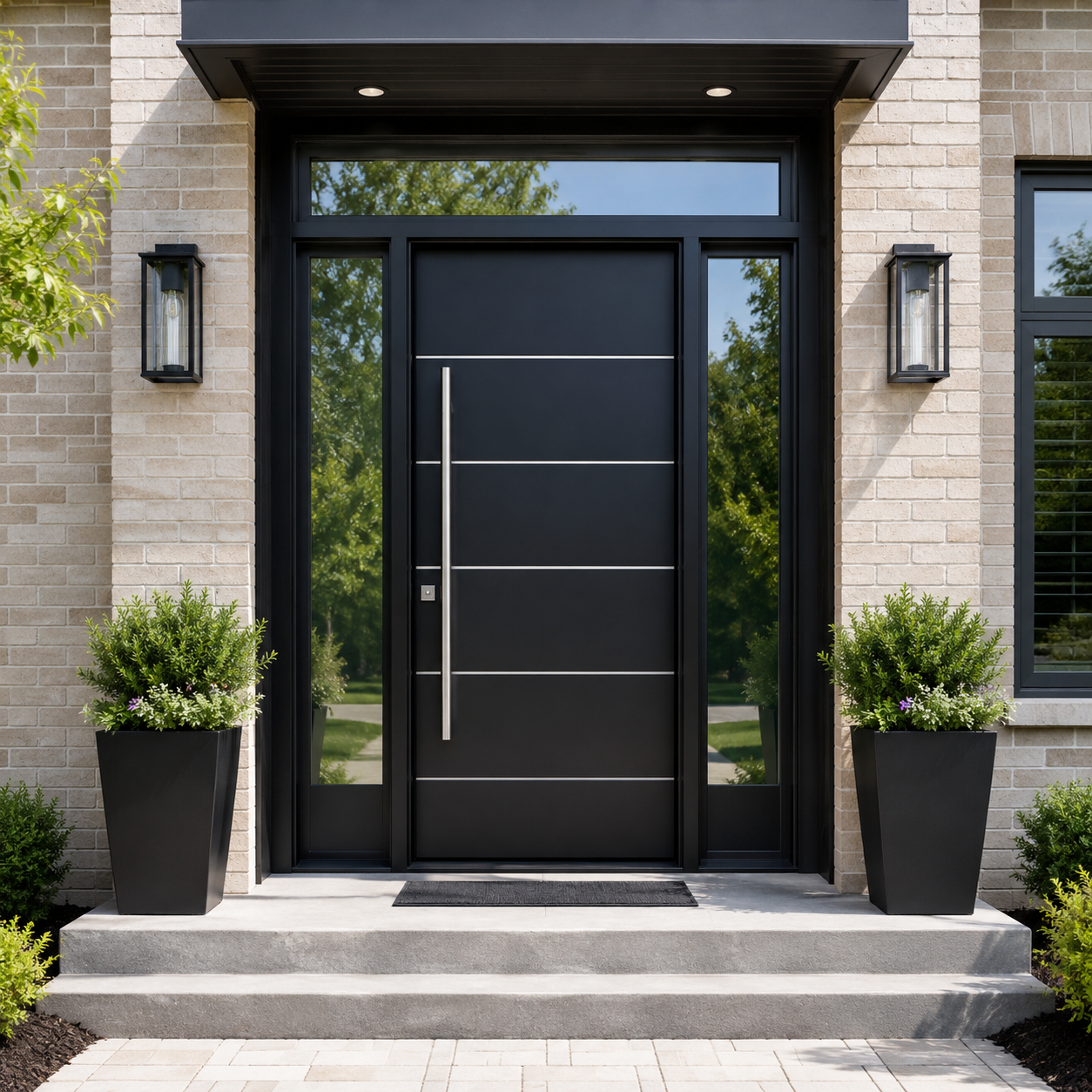
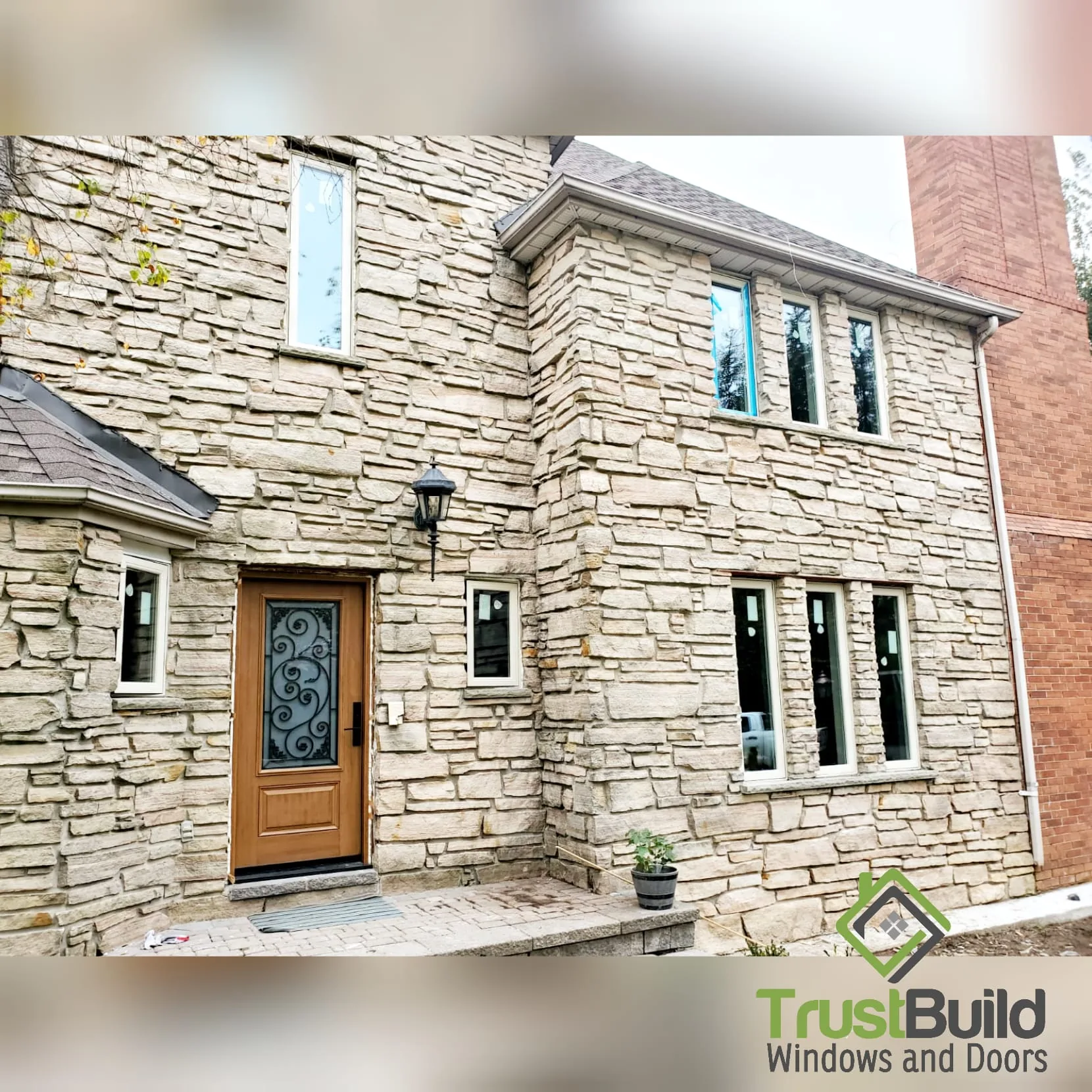
Trust Build has installed windows and doors for more than 8,700 homeowners across Ontario since 2016, and garage doors get the same certified installation as every other product line, with 0% financing available through Financeit for anyone who'd rather spread the cost than pay it all upfront. None of that changes the physics of a Simcoe County winter, but it does mean the door you install this year is backed the same way five years from now.