By Trust Build Windows and Doors ·
Stand on Main Street in Unionville on a cold January morning and you'll see it on more than a few of the older homes: a thin line of frost creeping up the inside corner of a front window, right where the upper and lower sash meet. Walk a block over to one of the century homes near Toogood Pond and there's a decent chance a second-floor window is propped open a crack with a folded piece of cardboard, because the sash balance gave out years ago and nobody's gotten around to fixing it. Neither problem is dramatic. Both are completely normal for a neighbourhood built the way Unionville was built, and both are the kind of thing a homeowner lives with for a decade before finally doing something about it.
Single-hung and double-hung windows are the style most of these homes started with, and for good reason. In a single-hung window, the bottom sash slides up while the top stays fixed in place. In a double-hung, both sashes move, which makes it easier to clean the glass from inside and to crack the window at the top for ventilation without inviting rain in through the bottom. That second detail mattered to a 19th-century builder a lot more than most people realize, and it's a big part of why the style stuck around in this part of York Region long after other window styles came and went.
The trouble is what happens to those original sash mechanisms sixty, eighty, or well over a hundred years later. Sash cords stretch, fray, and snap. The counterweights inside the frame get disconnected and just hang there doing nothing. Decades of repainting seal the sashes to the jamb so thoroughly that "opening the window" becomes a two-person job involving a putty knife. And underneath all of that is usually a single pane of glass that was never built to hold back a Southern Ontario winter, which is exactly why that frost line shows up where the sashes meet — that's the coldest, leakiest point in the whole assembly.
Because a meaningful stretch of Unionville sits inside a designated heritage conservation district, there's a question here that doesn't come up the same way in a newer subdivision: how do you fix a failing window without changing the character that made the street worth protecting? If your property is individually designated or inside the formally protected boundary, Markham's heritage planning staff are the first call, before any window order goes in — exterior changes on designated properties typically need sign-off, and that's worth sorting out before a window is on order, not after. Homes nearby that share the street's character without being individually designated have more flexibility, though matching the visual rhythm is still worth doing well.
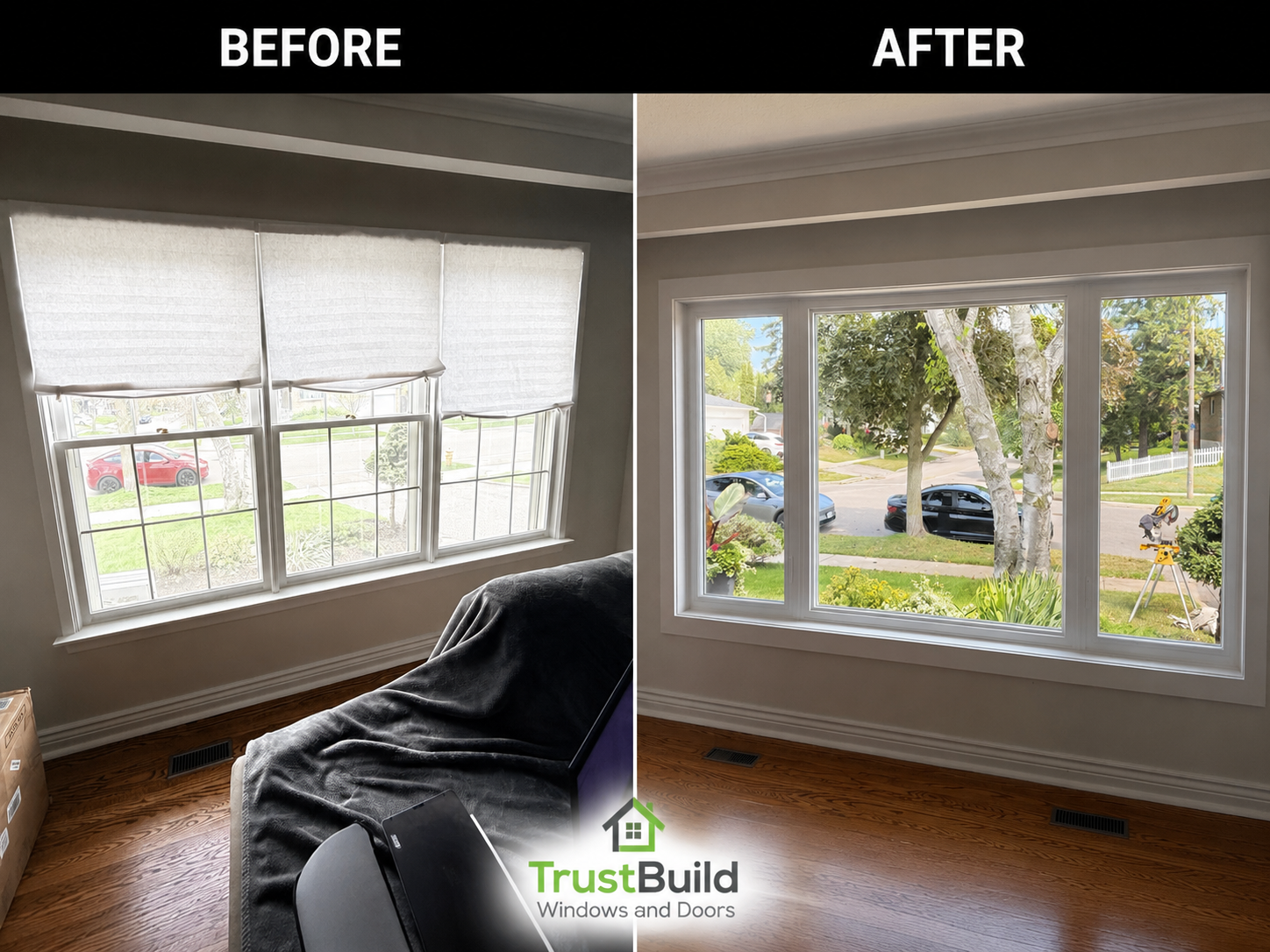
Here's the part worth being direct about: a full custom wood sash rebuild usually isn't necessary to keep that look. A vinyl double-hung window with a simulated divided-lite grille, a slim sightline, and trim-matched colour reads correctly from the sidewalk — you can see examples in our hung windows gallery — and it outperforms the original by a wide margin where it counts — energy loss, condensation, and how hard the thing is to open. Save true custom wood replication for homes where a heritage designation actually requires it, and use well-detailed vinyl everywhere else; it's the more sensible call on both budget and long-term upkeep.
The performance gap comes down to the glass and the seal. An Energy Star-certified vinyl double-hung window with a Low-E coated, argon-filled sealed unit — Cardinal's Low-E-180 glass is one built specifically for colder climates to hold onto solar heat rather than bounce it away — does a fundamentally different job than a single pane of 1890s glass in a wood frame that's shrunk and swollen through a hundred winters. That's the difference between a window that fogs and frosts every February and one that doesn't.
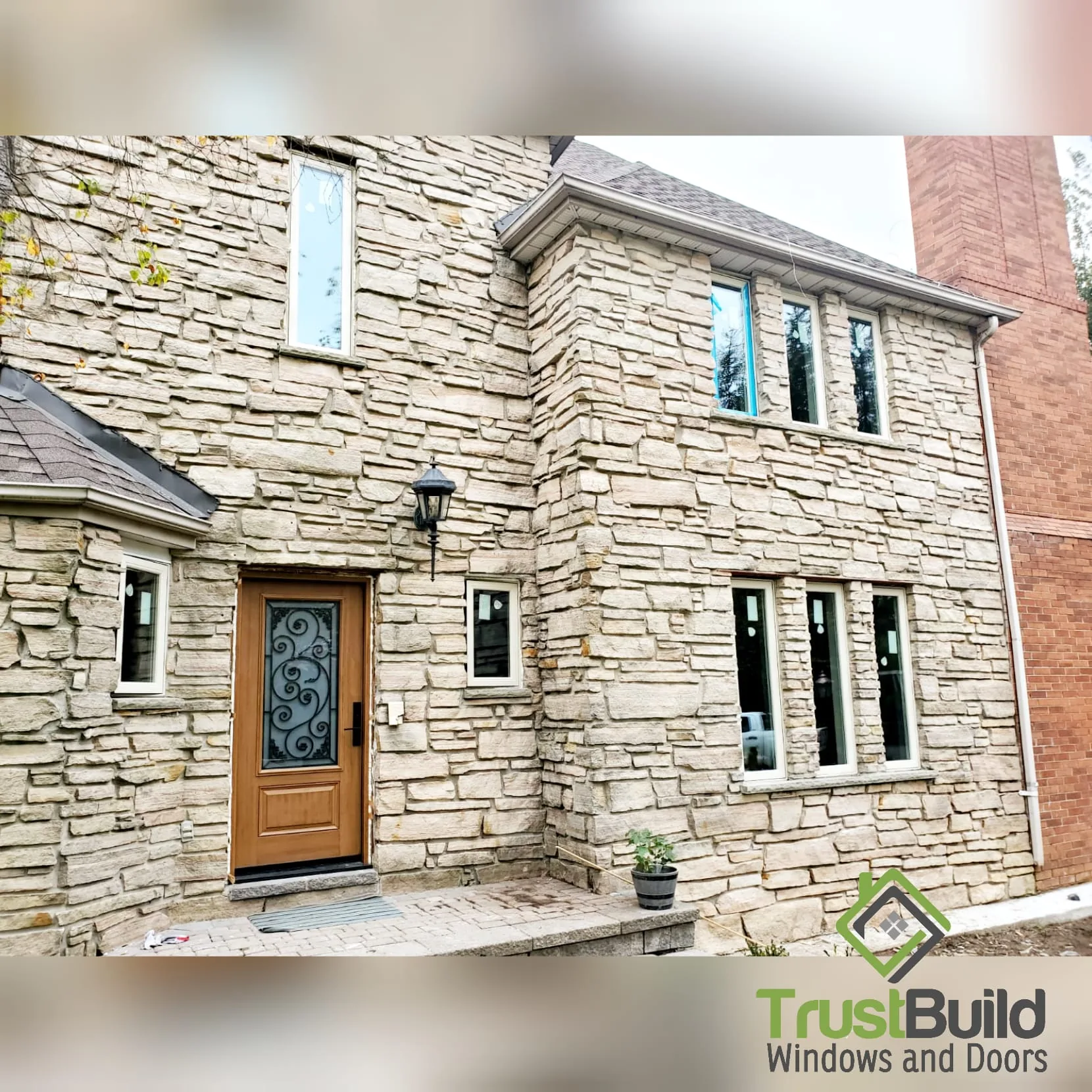
Trust Build has installed replacement windows for more than 8,700 homeowners across Ontario, including throughout Markham, with crews used to working carefully around original trim and century-home framing that isn't always square. For homes where timing matters, 0% financing through Financeit spreads the cost without waiting on a tax refund or renovation loan.
Two realistic paths for a Unionville property: match the original divided-lite look with double-hung vinyl units quietly upgraded underneath, or go further with casement or picture windows where a room doesn't face the street and the historic sightline doesn't apply. Either way, start with what your property's actual heritage status requires — that one call to the City saves more headaches than any window decision after it.