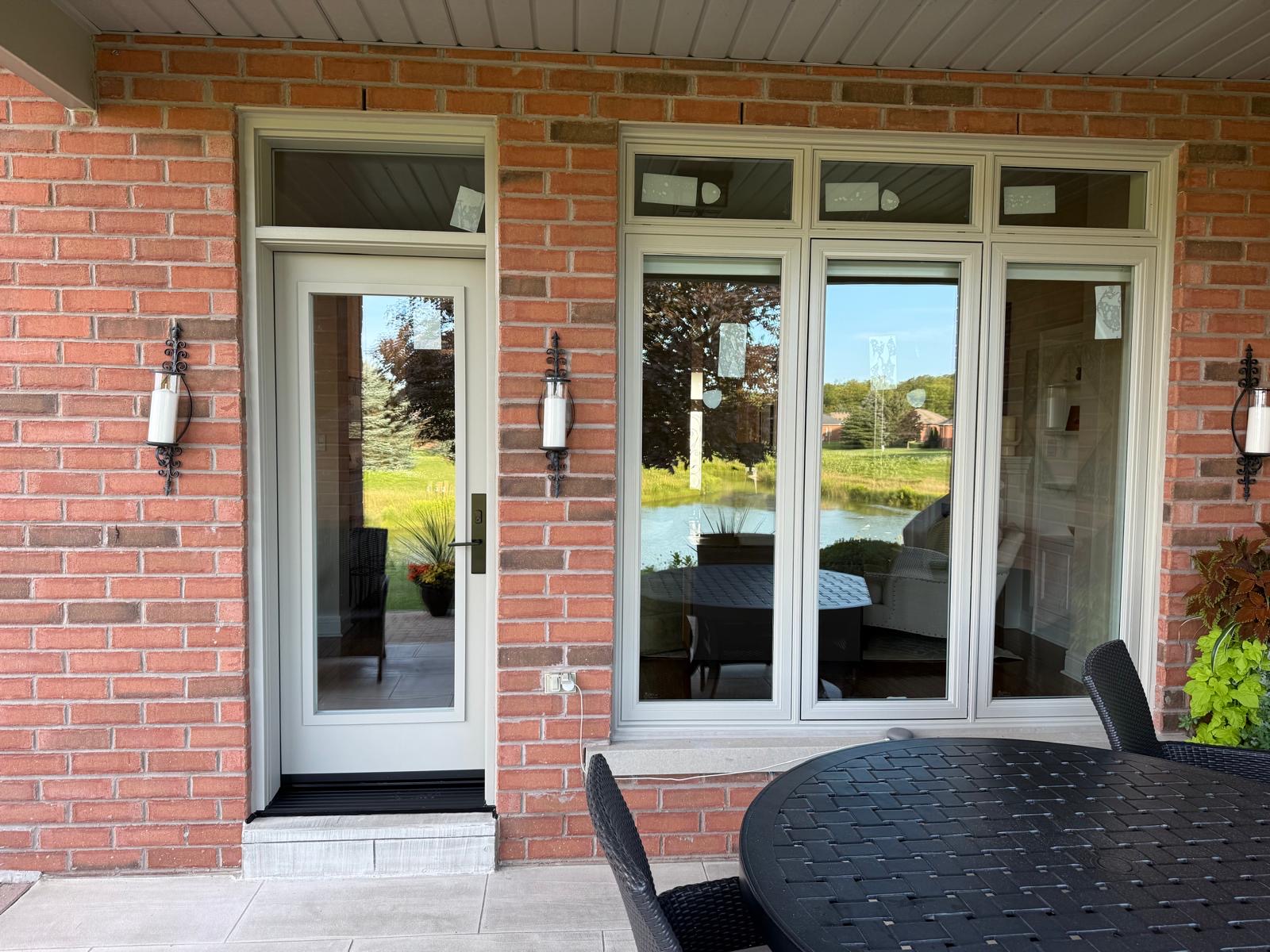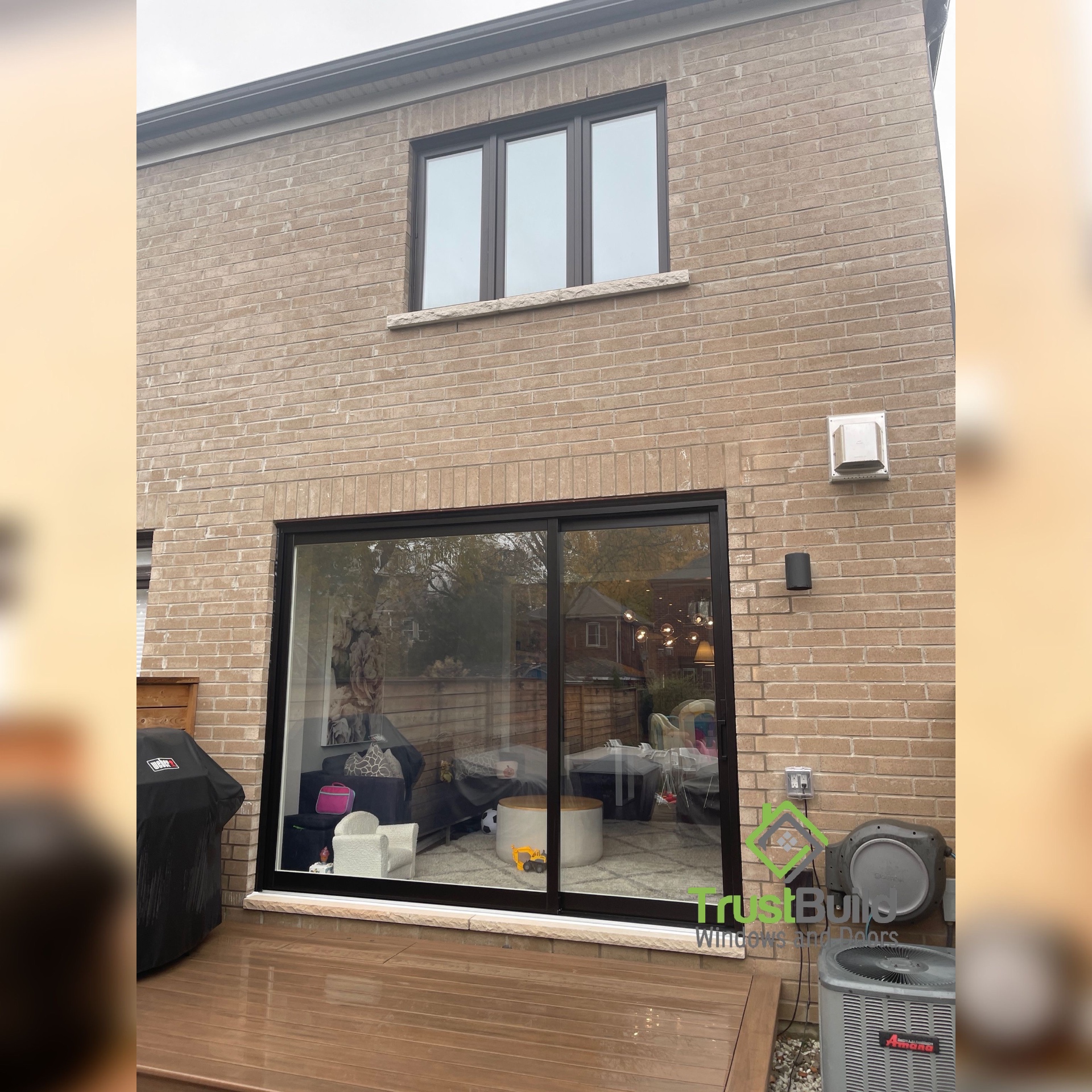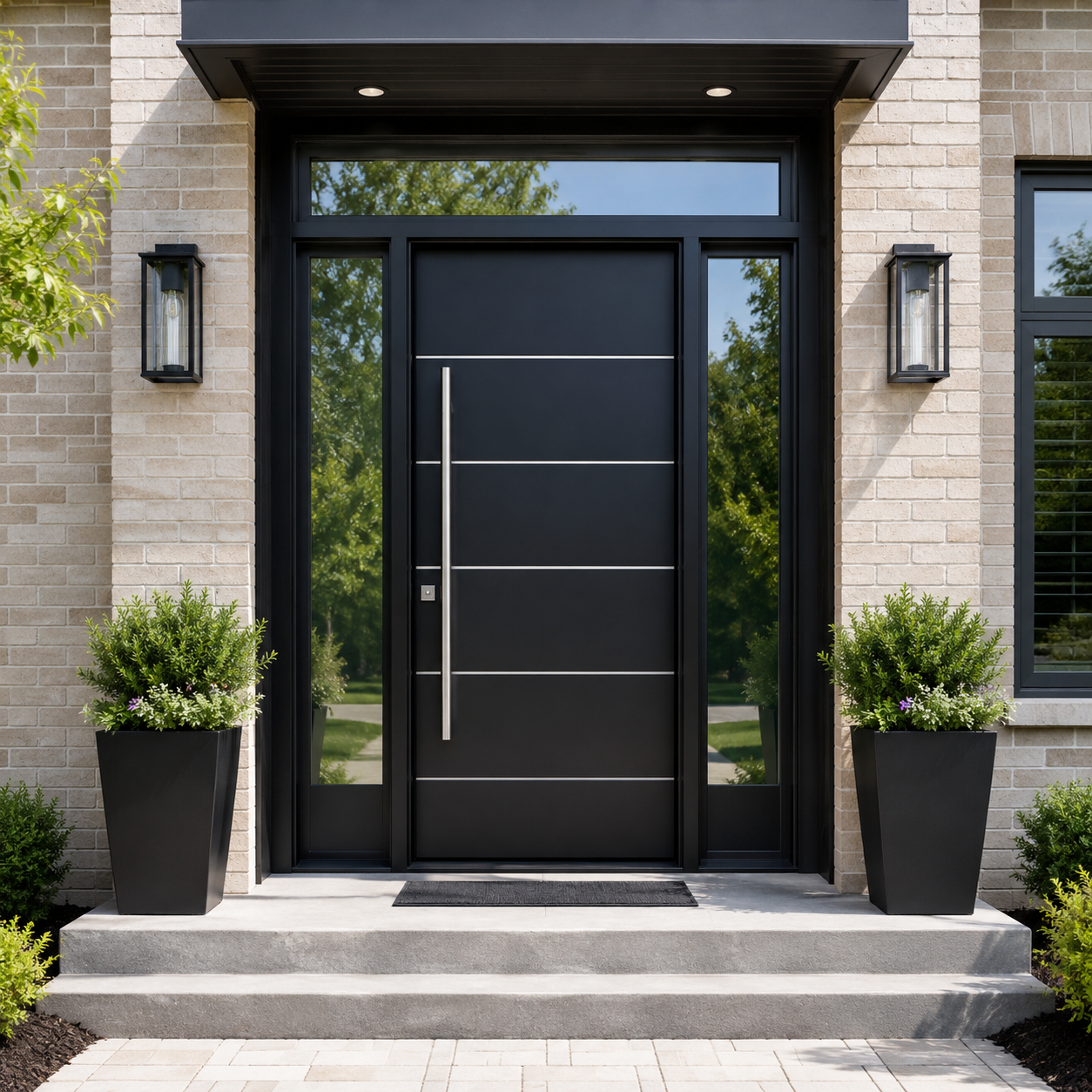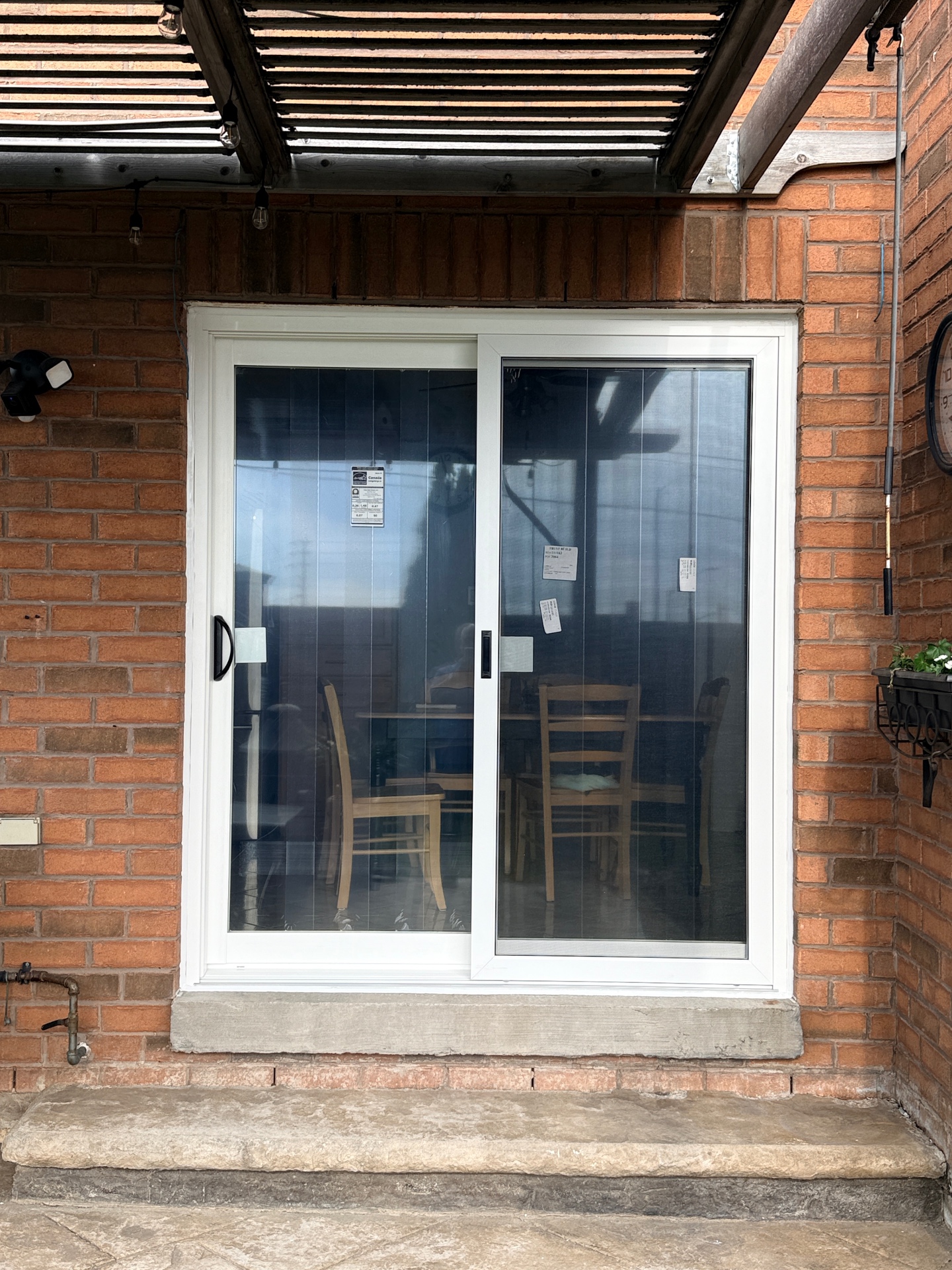
London has more than its share of century homes, 1950s bungalows, and older two-storeys in neighbourhoods like Old North, Woodfield, and Wortley Village. A lot of these houses still have their original wood-frame windows, sometimes with a single pane of glass and a storm window bolted on for winter — a setup that was standard practice decades ago but does very little for comfort or energy costs today.
If you own one of these homes, you've probably already noticed the signs: a draft near the sill even with the window latched, condensation forming between the storm window and the inner sash, or a heating bill that doesn't match how well-insulated the rest of the house feels. Vinyl replacement windows are usually the answer homeowners land on, but it helps to understand why — and what to actually expect from the switch.
What's different about an old single-pane window
A single-pane window with a storm window offers some insulation, but nowhere near what a modern sealed unit provides. The gap between the two panes isn't engineered — it's just air, with no gas fill and no low-e coating to reflect heat back into the room in winter or block it out in summer. Over 60-plus years, the wood frame itself has usually shifted, shrunk, or developed gaps at the joints that no amount of caulking fully solves.
The other issue is hardware. Old sash cords fail, weights get stuck, and the counterweight systems that let these windows open smoothly simply wear out. By the time a homeowner is dealing with a window that's painted shut or won't stay up without a stick propped under it, replacement usually makes more sense than repair.
Why vinyl specifically
Vinyl window frames don't require painting, don't rot, and don't expand and contract with humidity the way wood does — which matters in a climate that swings from humid summers to well below freezing in January. A vinyl frame paired with a modern sealed double or triple-glazed unit gives you an actual engineered gap between panes, filled with an inert gas like argon, with a low-e coating that manages heat transfer in both directions.
For an older home, this is less about matching a modern aesthetic and more about function: a properly installed vinyl window in a house that's been losing heat through single-pane glass for decades is often one of the more noticeable comfort upgrades a homeowner can make, right alongside attic insulation.
Keeping the character of an older home
A common concern with older London homes — especially in the heritage-adjacent pockets of the city — is that replacement windows will look out of place next to original trim, brick, or the proportions of a century home. This is a fair concern, and it's solvable: modern vinyl windows come in profiles and colour options, including options like Gentek's colour range, that can be matched to a home's existing sightlines rather than defaulting to a generic builder-grade look. Grille patterns can also be selected to echo the original divided-light appearance without sacrificing the performance of a single sealed unit.
What to expect from the installation itself
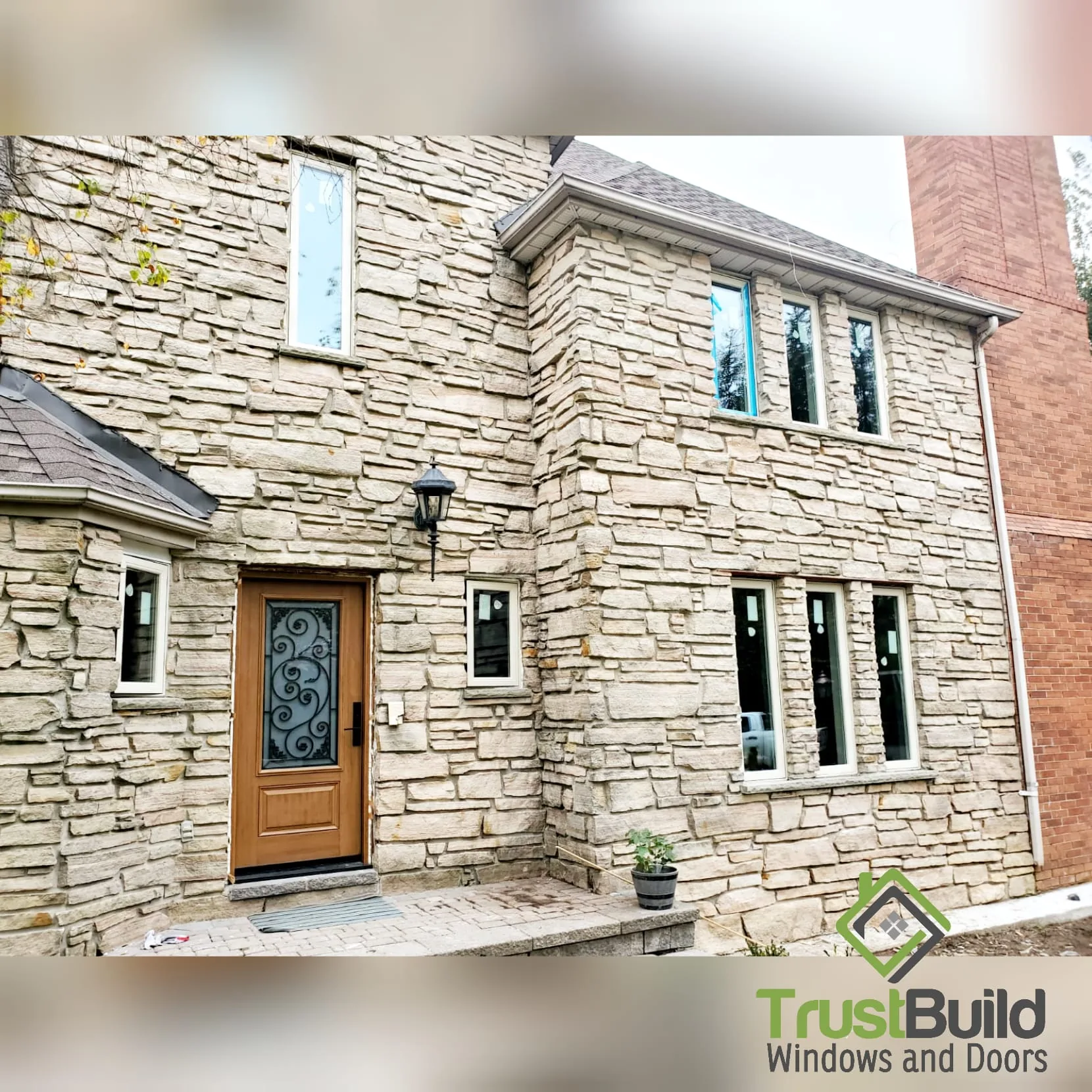
Because older London homes often have settled framing or non-standard rough openings, installation method matters more here than in a newer subdivision home. Trust Build's installers assess whether a retrofit installation — which works within the existing frame — or a full brick-to-brick replacement makes more sense for the specific opening, rather than assuming one approach fits every window in the house.
Every vinyl window installed is Energy Star-certified.
Is it worth it for one older home, or the whole house at once?
Homeowners in London often ask whether it makes more sense to replace windows room by room or all at once. There's no universal answer, but a few patterns are worth knowing: doing the whole house in one project typically gets a better per-window price, while a phased approach lets you spread out the cost and prioritize the rooms losing the most heat first — often north-facing rooms or ones with the oldest, least-maintained sashes.
Trust Build has worked on window replacements across London and the surrounding area, including plenty of homes built well before vinyl windows existed as an option, and can walk through which rooms or units are the highest priority based on the specific condition of the existing windows.
A few signs it's time to stop repairing and start replacing
Homeowners often ask whether a specific window is worth restoring rather than replacing outright. A few signs tend to settle the question: glazing putty that's cracked and falling away from the glass, a sash that's been painted shut more than once, visible rot at the bottom rail, or a storm window that's foggy or cracked itself. None of these are safety issues on their own, but together they usually mean the window has reached the point where restoration costs approach or exceed the cost of a properly installed replacement — without any of the energy performance benefit.
It's also worth checking whether a home's original windows are load-bearing to any structural trim or exterior detailing, which is more common in some of London's older heritage-designated streets. In those cases, a retrofit approach that preserves the existing exterior brick-mould and trim is usually preferable to a full brick-to-brick tear-out, both for cost and for keeping the home's original street-facing appearance intact.