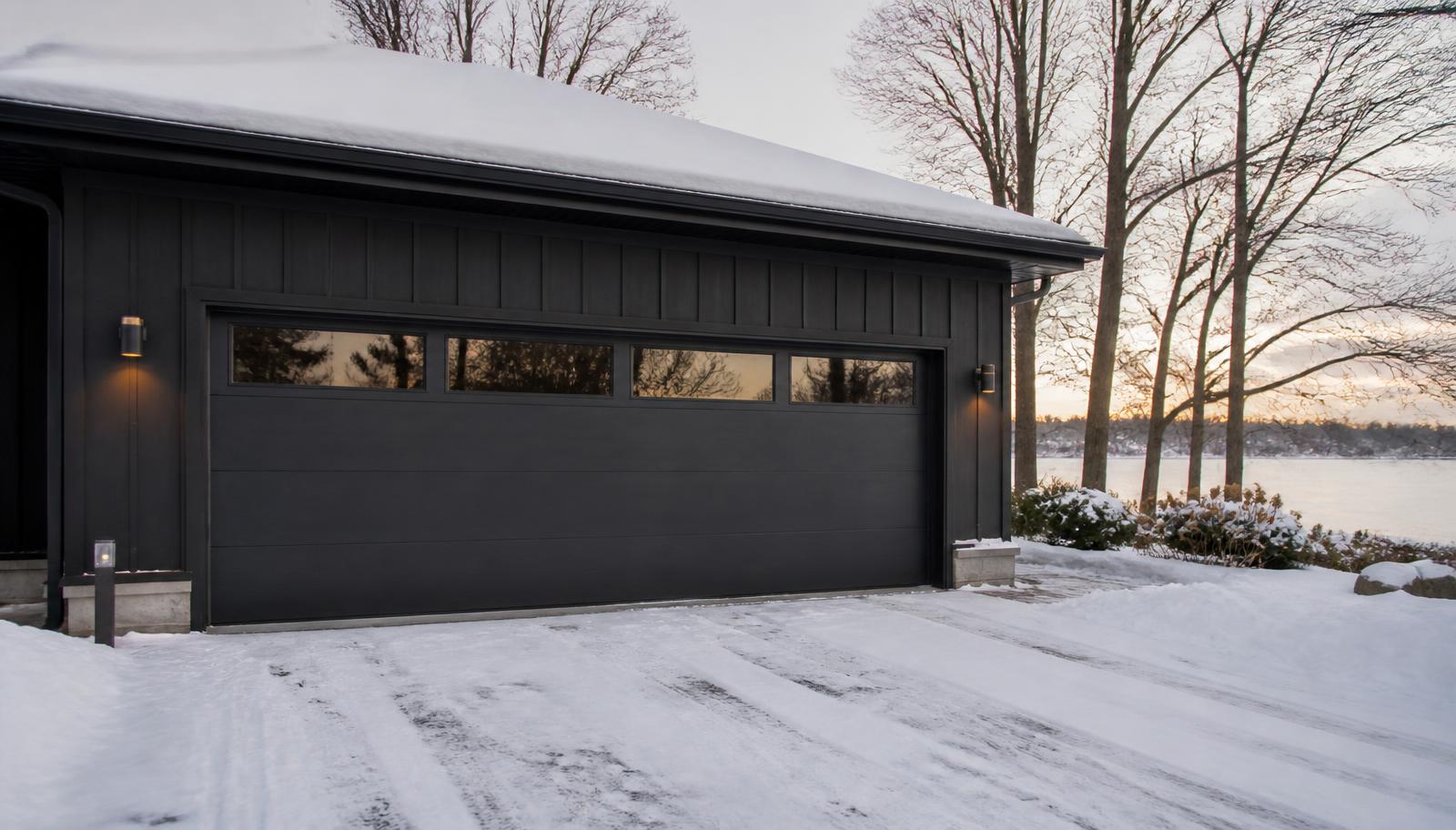
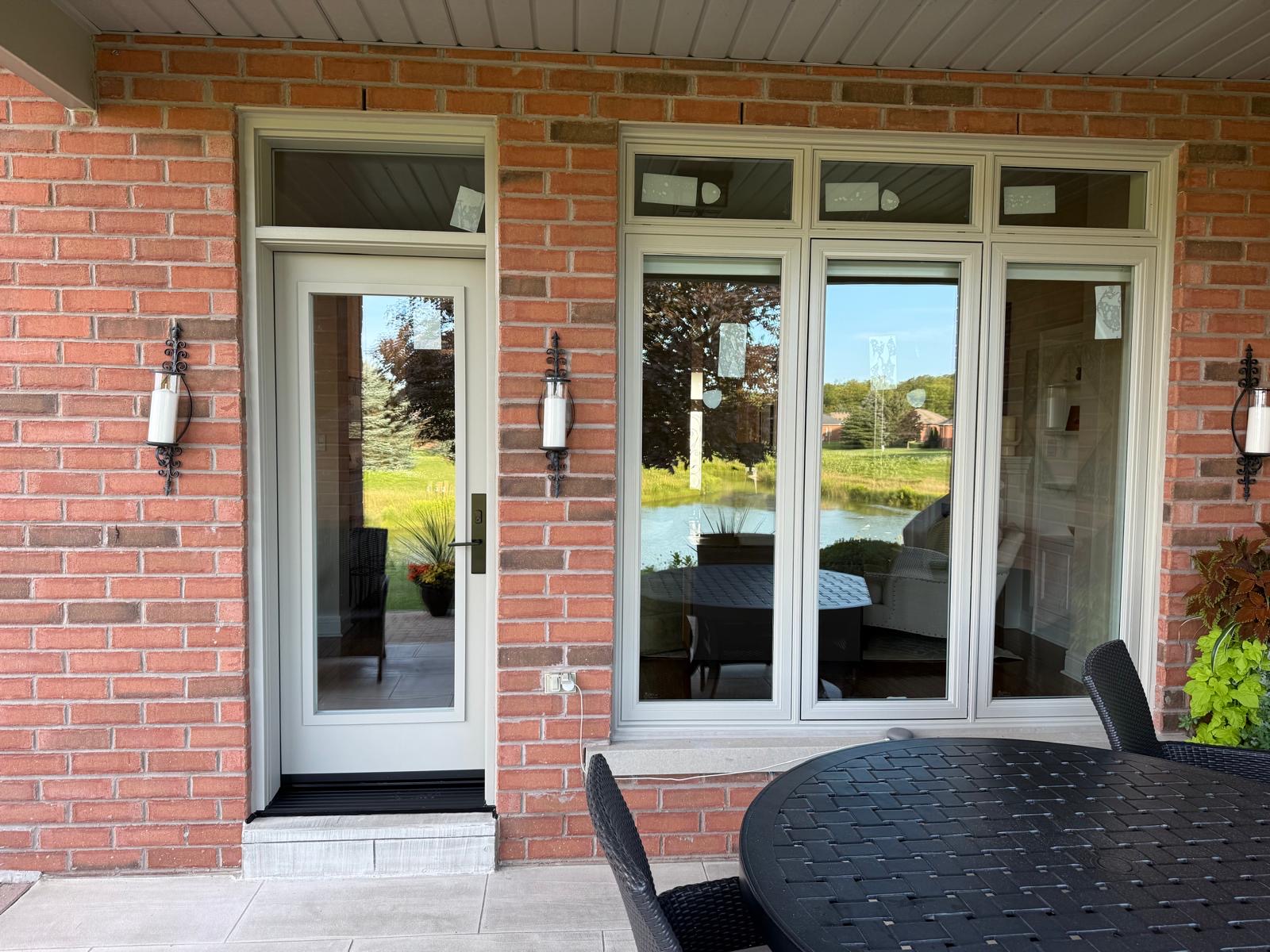
Every full home renovation eventually runs into the same question: what goes first? Windows, drywall, flooring, siding, the kitchen? Get the order wrong and you're paying twice for the same work, or arguing with two trades about whose fault the damage was. Get it right, and the whole project moves faster with fewer surprises. This is based on what we've actually seen work across renovations throughout the GTA, Vaughan, Barrie, and the Niagara region over the past several years.
Step one, before anything gets measured: introduce your window specialist to your general contractor
This is the single most valuable thing a homeowner can do at the start of a renovation involving windows, and it's the step almost everyone skips. If you've hired a general contractor for the renovation, make sure they're talking directly to whoever is doing the windows, before either one starts work, not after a problem shows up.
Here's why this matters specifically: once the two are actually coordinating, the measurement itself gets shaped by real decisions, not assumptions — retrofit or full-frame, brick-to-brick, what the existing wall condition actually is behind the old opening. And there's a genuinely practical cost question buried in here that's easy to miss. If your general contractor is already doing structural or framing work as part of the renovation, and their quote already includes building out the rough opening for a new window, having them do that framing is often substantially cheaper than paying the window company to build it separately, on top of what you've already paid your GC for the same scope of work. Ask directly: is framing included in the contractor's price, or is it being priced separately by the window company? Getting this answered once, upfront, avoids paying for the same job twice.
If you're replacing windows and kitchen cabinets together, put both installers in the same room
This one is specific but genuinely important if your renovation includes a kitchen. Window trim and casing choices — trimless, a finished casing, a specific width to match the rest of the home — need to be decided with the kitchen cabinet layout in mind, not separately from it. If the width of the trim isn't factored into the cabinet design ahead of time, you can end up with the trim needing to be cut or modified after installation to make room for the cabinets, which rarely looks as clean as it would have if it had been planned together from the start.
The fix is simple: if windows and kitchen cabinets are being replaced in the same renovation, get the cabinet installer and the window installer in the same conversation with you, even briefly, before either starts. It takes one meeting to avoid a redo. Our trim and casing guide shows the options worth settling first.
Windows before or after drywall?
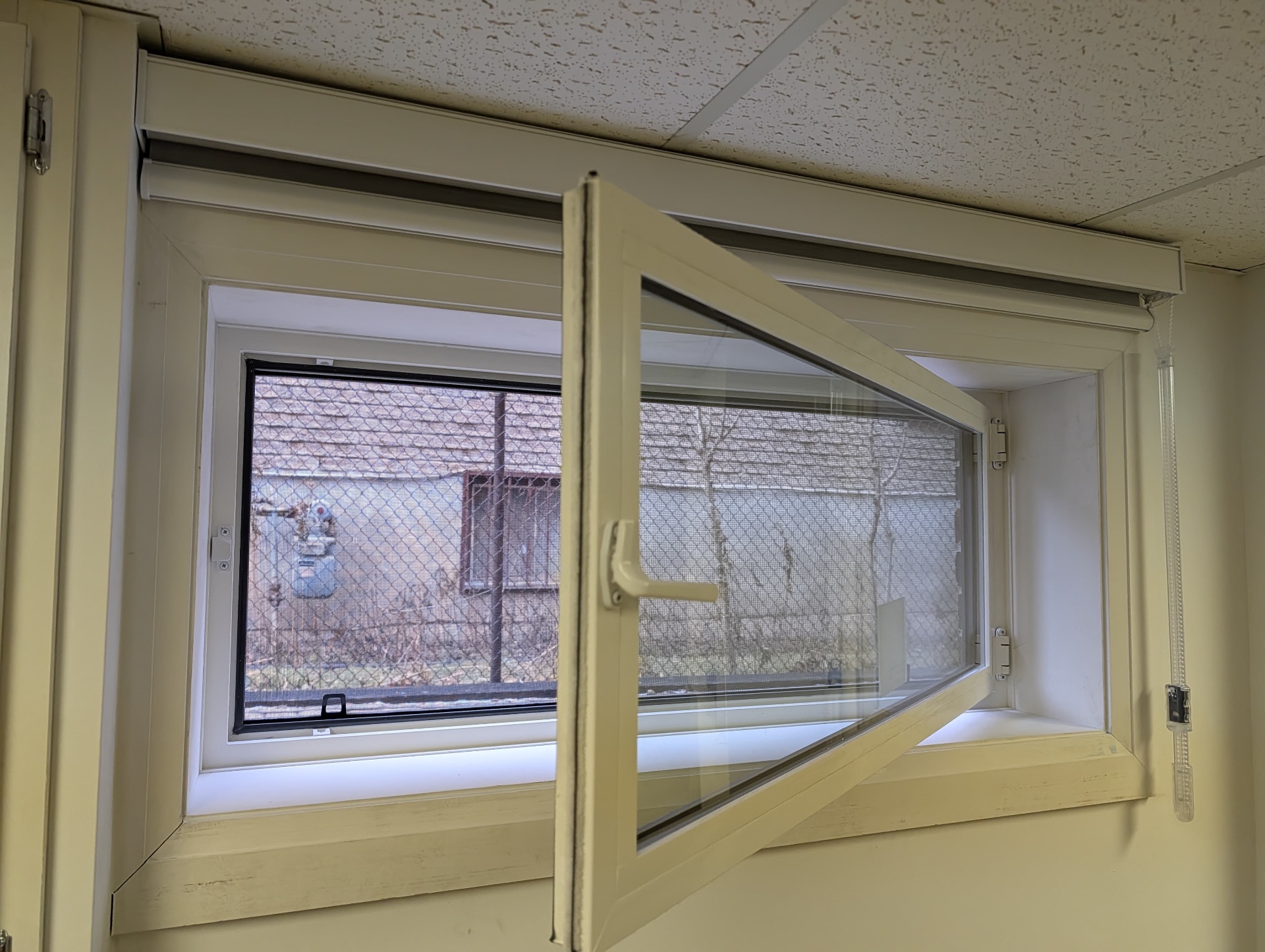
In general, windows shouldn't go in before drywall and plastering are finished, and the reason is dust, not the windows themselves. Drywall work generates a lot of it, and a brand-new window sitting exposed during that process isn't ideal. That said, this isn't an absolute rule: if the window installer properly seals and protects the new window during that phase, the order matters much less. The real question to ask your window company isn't "before or after drywall," it's "how are you protecting the window if it goes in before drywall's finished."
Flooring is more flexible either way. New hardwood can go in before or after windows without a real problem — the installers just need to be careful protecting a brand-new floor during window work if it's already down.
Windows before stucco or siding, not after
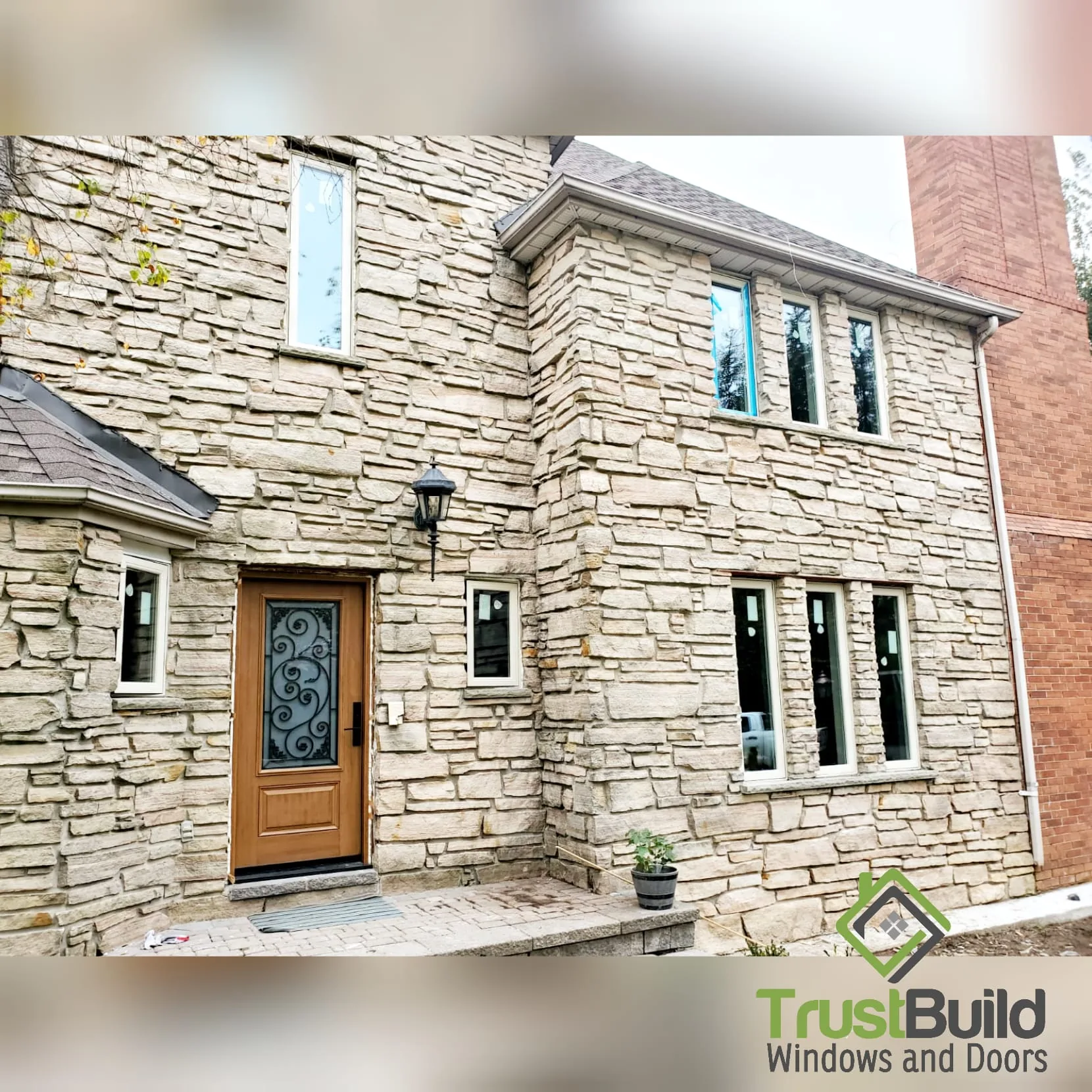
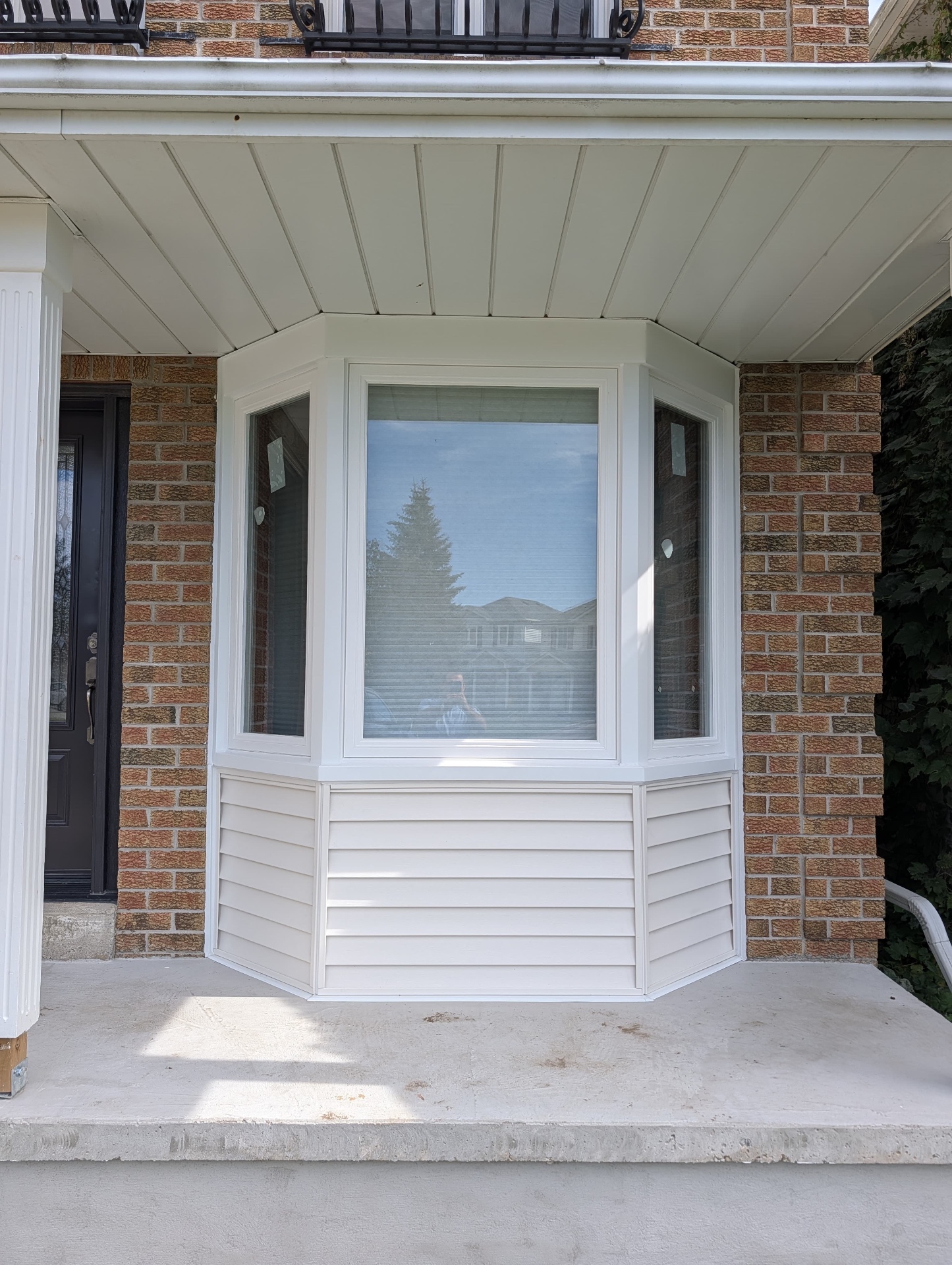
If your renovation includes new stucco or siding, windows should go in first, with the exterior finish built around them afterward. This makes the stucco or siding installer's job meaningfully easier — they're finishing precisely up against a window that's already in place, rather than needing to leave an opening and match the finish to it later. It's a small sequencing decision that makes a real difference in how clean the final exterior result looks.
Questions worth asking your general contractor before work starts
- Has the window company been introduced to you directly, or only communicated with through the GC?
- Is window framing included in the contractor's price, or being charged separately by the window company?
- If windows and a kitchen renovation are happening together, has the cabinet installer been consulted on trim width and style?
- Will windows go in before or after drywall, and if before, how will they be protected?
- If siding or stucco is planned, are windows scheduled to go in first?
These are worth raising early, not after the schedule's already locked in. For more on method choices, see window installation methods.
Planning a renovation that includes windows or doors?
Coordinating trades properly is most of what separates a smooth renovation from a frustrating one. Every Trust Build installation is completed by our own in-house crews and backed by a lifetime transferable warranty, and we're glad to coordinate directly with your general contractor or other trades as part of the process. Get a Renovation Window Quote →