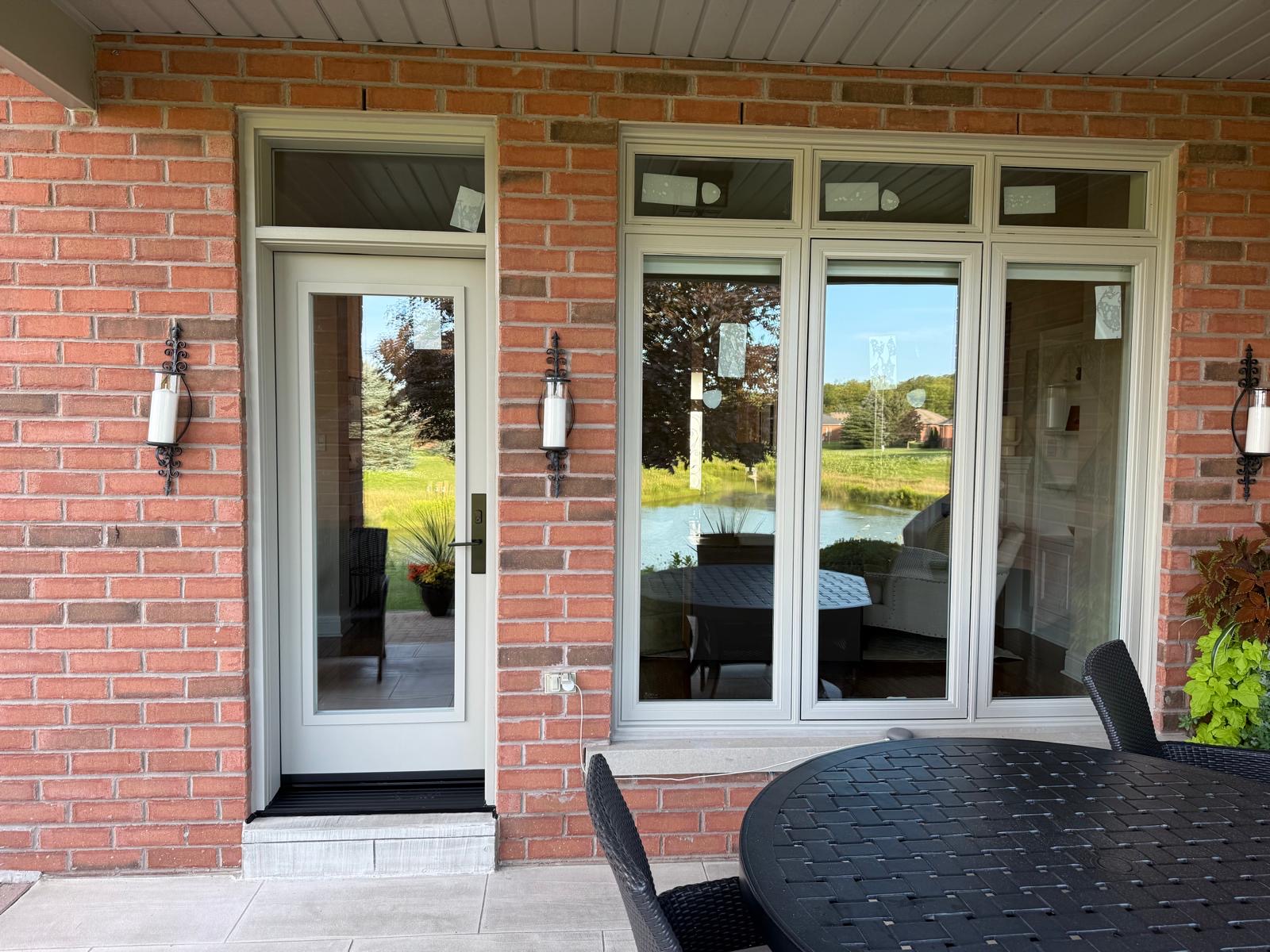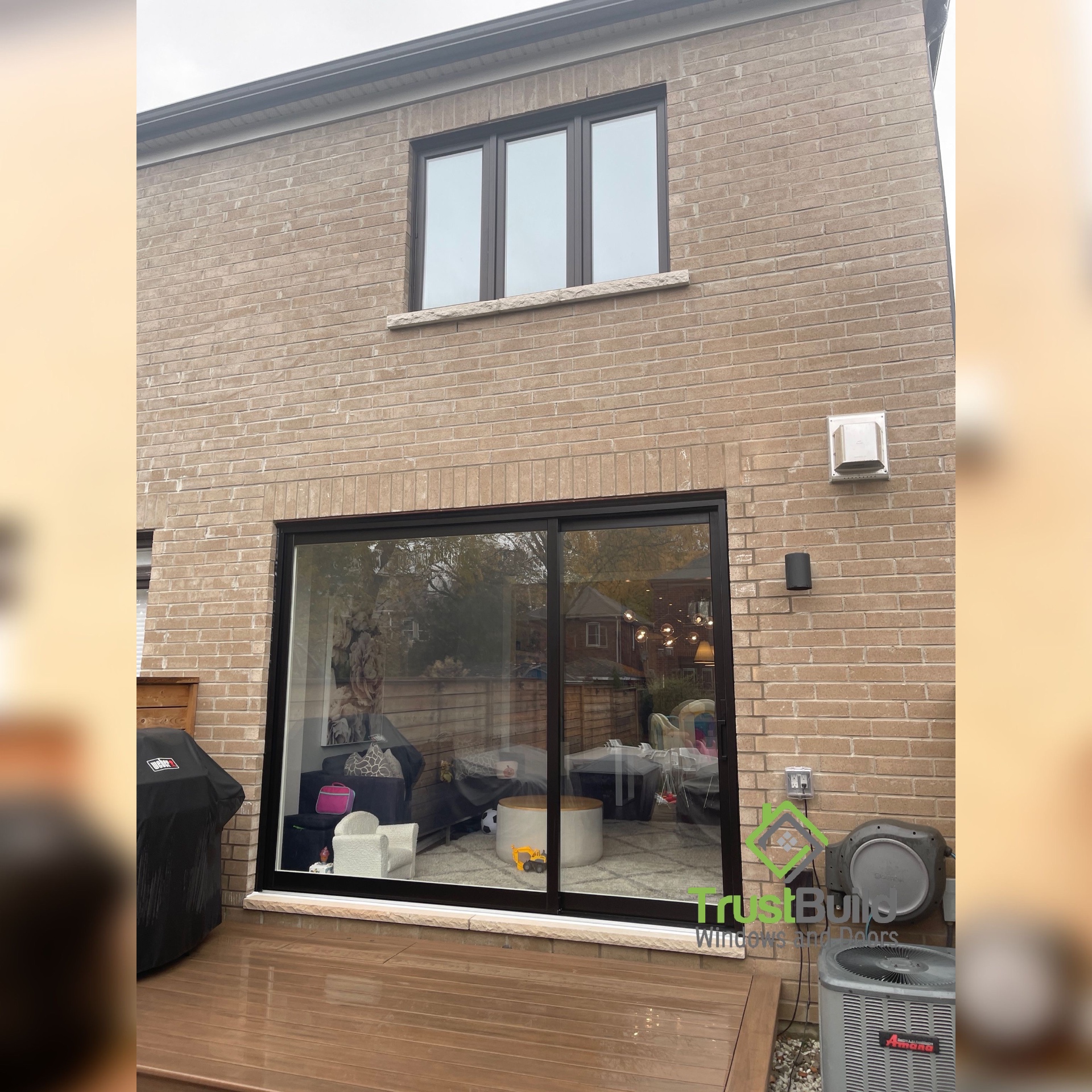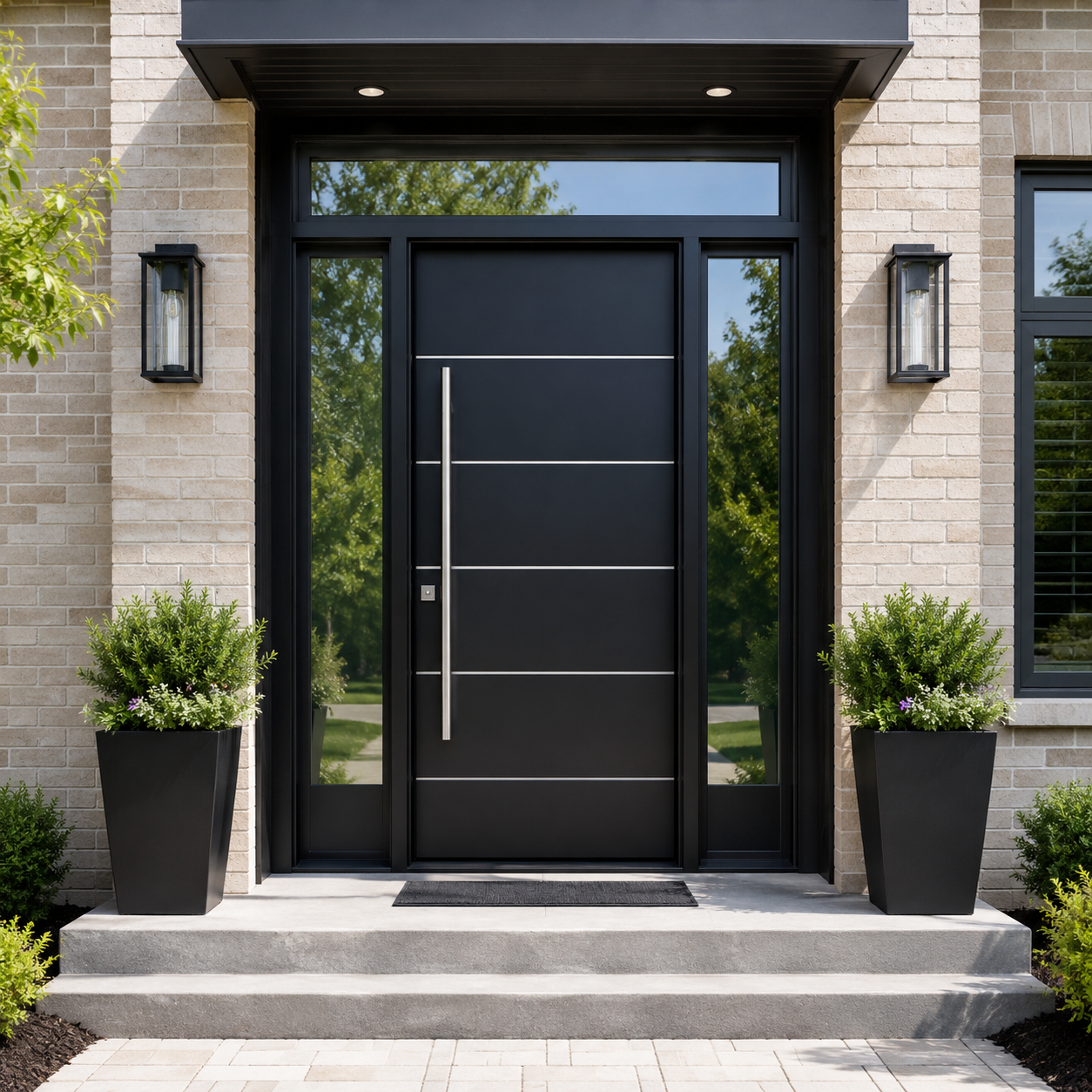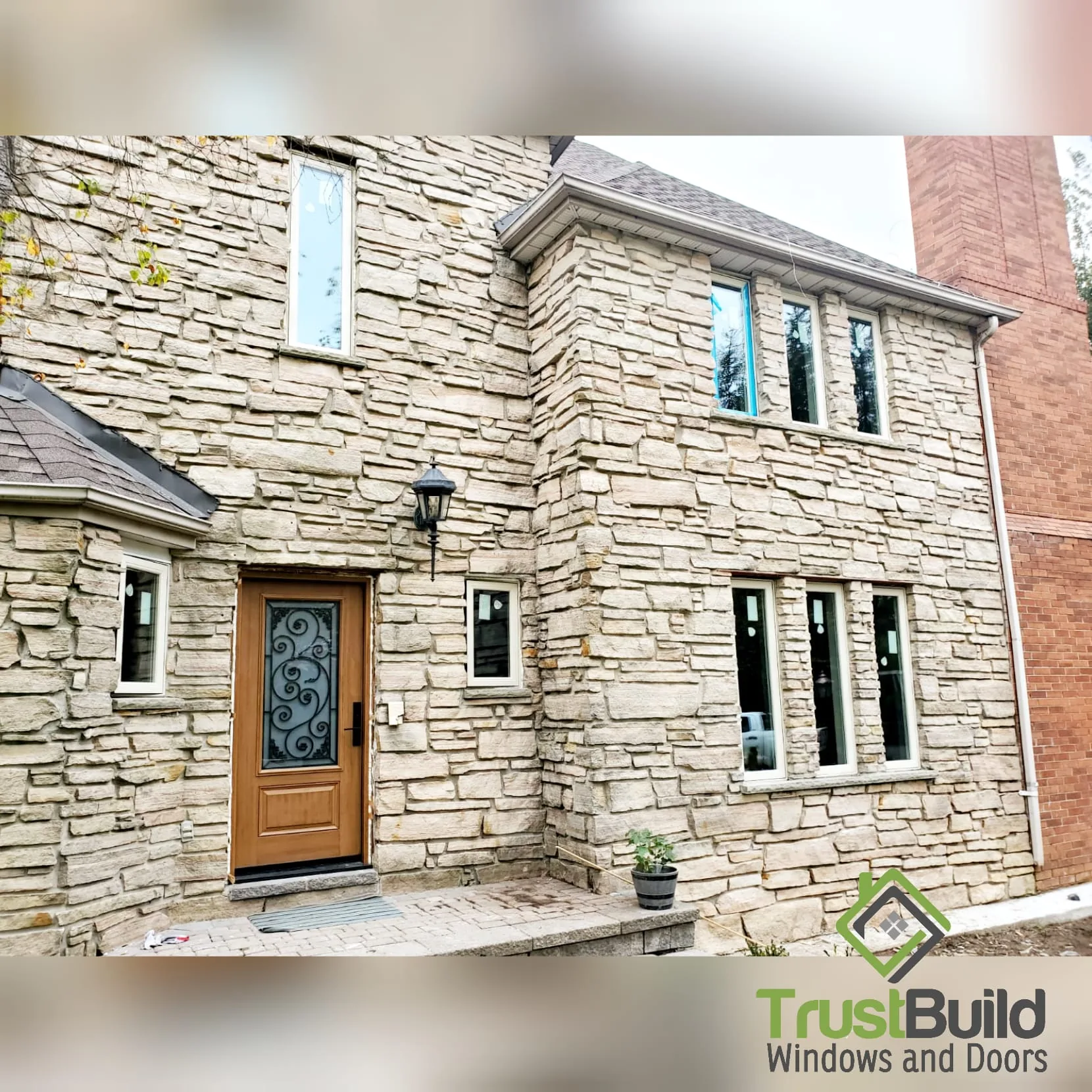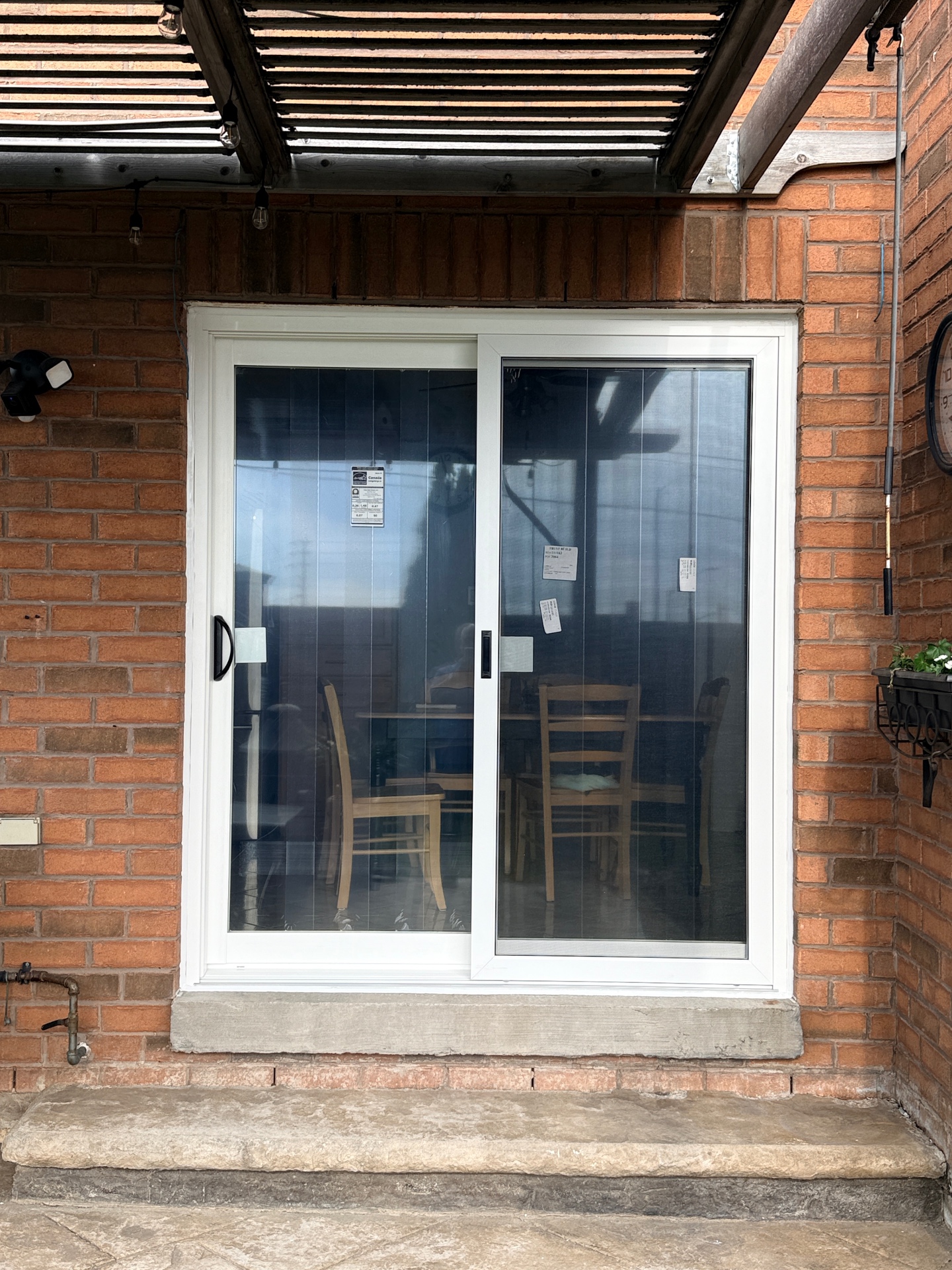
If you've shopped for new windows in Ontario, you've run into the term "Low-E" — usually followed by a string of numbers like 180, 272, or 366 that nobody bothers to explain. Those numbers aren't marketing fluff. They tell you exactly how a window will behave through a Barrie winter and a humid July afternoon, and choosing the right one can be the difference between a cosy, efficient home and one that's drafty in January and sweltering by the south windows in summer.
Here's what Low-E glass actually does, what those numbers mean, and how to match the right coating to your home.
What Low-E glass really is
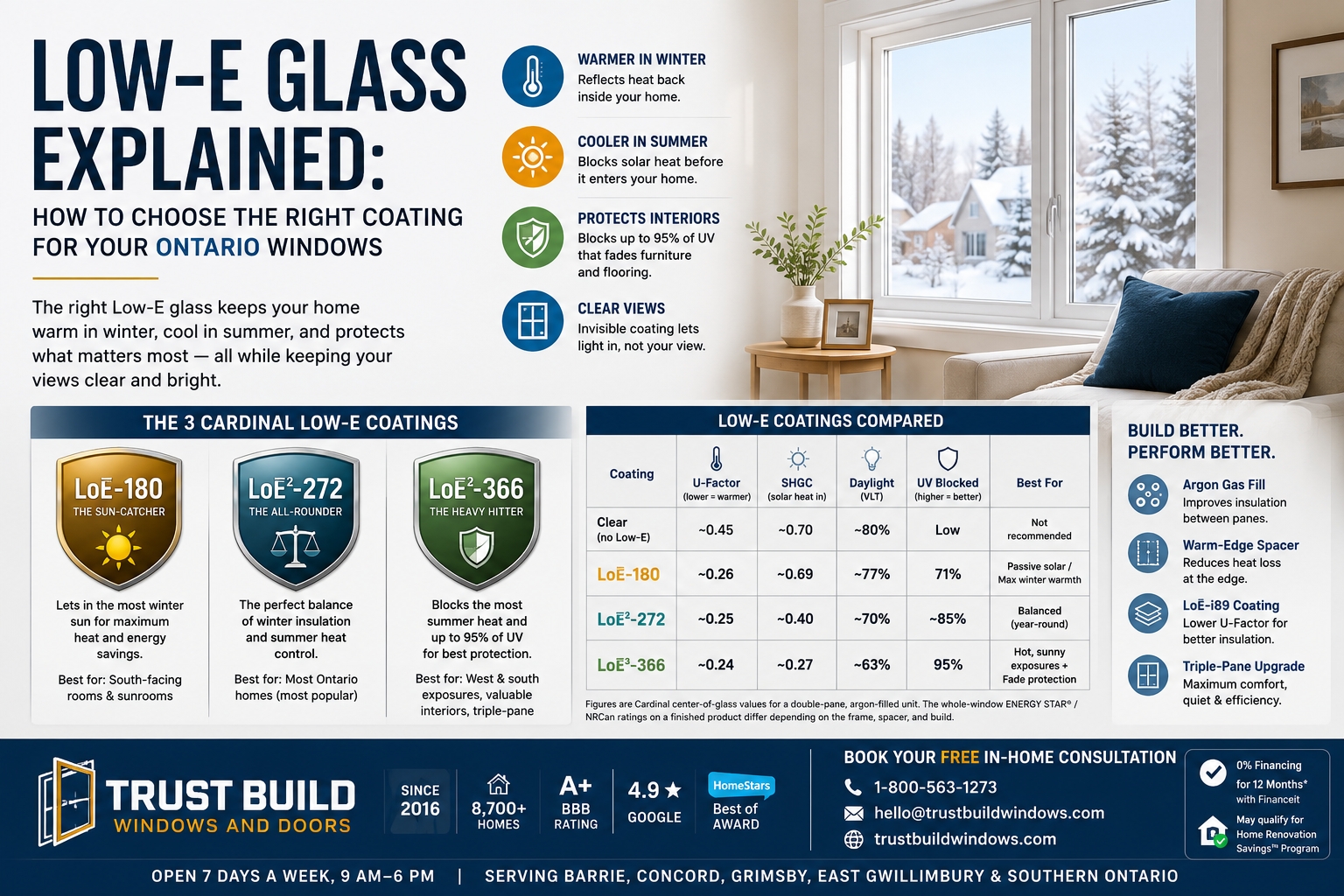
Low-E stands for "low emissivity." The coating is a microscopically thin, perfectly transparent layer of silver sandwiched between metal-oxide layers, applied to the inside surface of the glass. You can't see it — looking through it is just like looking through clear glass — but it does one clever thing: it reflects radiant heat while letting daylight pass.
That single property works both ways through the year:
- In winter, it reflects your furnace's heat back into the room instead of letting it radiate out through the glass.
- In summer, the solar-control versions reflect the sun's heat away before it can bake your living room.
It also filters out most of the ultraviolet light that fades furniture, flooring, and curtains. This is a real upgrade over the old approach of tinting glass, which darkened your view to cut heat. Low-E keeps the glass clear and the daylight bright while doing the work invisibly.
The four numbers that actually matter
Before comparing coatings, it helps to know the measurements behind them. Every Low-E option is described by four figures:
- U-Factor — how well the window keeps heat in. Lower is better. This is the one that matters most for an Ontario winter.
- SHGC (Solar Heat Gain Coefficient) — how much of the sun's heat passes through. Lower means cooler in summer; higher means more free winter warmth.
- VLT (Visible Light Transmittance) — how much daylight comes through. Higher means a brighter room.
- UV blocked — how much fade-causing ultraviolet is stopped. Higher protects your interiors.
The trick is that no single coating maxes out all four — they're trade-offs. That's why there are different options.
The three Cardinal Low-E coatings, plain and simple
Most quality Ontario windows use Cardinal glass, and three coatings cover almost every home. (Values below are center-of-glass, double-pane with argon fill — the standard residential build.)
LoĒ-180 — the sun-catcher. With a high SHGC of about 0.69, this coating lets the most winter sun in, and it blocks 71% of UV. Because the Canadian Energy Rating (ER) formula rewards winter solar gain, LoĒ-180 often posts the strongest ER numbers in a double-pane window. It's the choice when you want to capture free heat from the sun — think a sunroom or south-facing rooms in a cold climate — but it offers the least summer heat control of the three.
LoĒ²-272 — the all-rounder. A double layer of silver drops the SHGC to about 0.40 and blocks roughly 85% of UV, while still letting about 70% of daylight through. It balances winter insulation against summer heat control better than any other single option, which is why it's the most popular choice for Ontario homes by a wide margin. If you're not sure, this is usually the safe default.
LoĒ³-366 — the heavy hitter. A triple layer of silver brings the SHGC down to about 0.27 and blocks 95% of UV — the best fade protection available — while keeping a clear view and around 63% daylight. It rejects the most summer heat without darkening your windows like tint would. It's ideal for large west- and south-facing glass that overheats, and for rooms where you want to protect hardwood, art, or furniture. In our climate, Cardinal recommends pairing LoĒ³-366 with a triple-pane glass unit for the best of both worlds.
Side-by-side comparison
| Coating | U-Factor (lower = warmer) | SHGC (solar heat in) | Daylight | UV blocked | Best for |
|---|---|---|---|---|---|
| Clear (no Low-E) | ~0.45 | ~0.70 | ~80% | low | not recommended |
| LoĒ-180 | ~0.26 | ~0.69 | ~77% | 71% | passive solar / max winter warmth |
| LoĒ²-272 | ~0.25 | ~0.40 | ~70% | ~85% | balanced year-round (most popular) |
| LoĒ³-366 | ~0.24 | ~0.27 | ~63% | 95% | hot, sunny exposures + fade protection |
Figures are Cardinal center-of-glass values for a double-pane, argon-filled unit. The whole-window ENERGY STAR® / NRCan ratings on a finished product differ depending on the frame, spacer, and build — your installer can give you the certified numbers for a specific window.
Which one is right for your home?
For most Ontario homeowners, the answer comes down to orientation and goals rather than picking the "best" glass:
- North-facing windows see little direct sun, so insulation matters more than solar control — LoĒ²-272 is a comfortable, efficient default.
- South-facing windows can soak up free winter heat. If a room runs cold, LoĒ-180 turns that sunlight into savings; if it overheats in summer, lean toward 272 or 366.
- West-facing windows take the harsh late-afternoon sun. LoĒ³-366 keeps those rooms from becoming an oven.
- Rooms with hardwood, rugs, or furniture you care about benefit from 366's 95% UV protection.
You can also push performance further with extras: argon gas fill between the panes, Quanex/Edgetech Super Spacer® around the edge, an inner LoĒ-i89 coating that lowers the U-Factor even more, and a triple-pane glass unit for the coldest exposures. The right combination depends on your house, not a one-size-fits-all spec sheet.
Ontario exposure & climate guide
| Exposure / room | Climate priority | Recommended coating | Build |
|---|---|---|---|
| North-facing bedrooms & living rooms | Cold winter, little direct sun | LoĒ²-272 | Double or triple pane + argon |
| South-facing rooms that run cold | Capture free winter solar heat | LoĒ-180 | Double pane + argon |
| South-facing rooms that overheat in summer | Balance winter + summer | LoĒ²-272 or LoĒ³-366 | Double or triple pane |
| West-facing — late-afternoon sun | Reject summer heat | LoĒ³-366 | Triple pane recommended |
| Sunrooms, conservatories, four-season additions | Maximum passive solar | LoĒ-180 | Double pane + argon |
| Rooms with hardwood, art, leather, rugs | Maximum UV / fade protection | LoĒ³-366 | Double or triple pane |
| Bedrooms near busy roads | Noise + warm inner glass | LoĒ²-272 | Triple pane + Super Spacer® |
| Cold-climate exposures (Barrie, Orillia, Muskoka) | Lowest U-Factor possible | LoĒ²-272 + LoĒ-i89 | Triple pane + argon + Super Spacer® |
A typical Ontario home mixes two or three of these on the same install. Our team specs each opening individually during your quote.
Request a free Low-E glass quote
Tell us about your home and we'll recommend the right Low-E coating for each exposure. A real installer will follow up within 1 business day — no call centre, no pressure.
Get Your Free, No-Obligation Quote
Tell us a little about your project and we'll get back to you. Takes under a minute — no pressure, no pushy calls.
A bonus you'll feel: warmer glass, fewer foggy windows
Low-E doesn't just save energy — it raises the temperature of the room-side glass surface. A clear double-pane window might sit around 45°F on a cold night, while a Low-E unit stays closer to 55–56°F. That warmer surface means far less condensation collecting on the glass in winter — which is exactly what dries up the moisture that feeds window mould. Better glass quietly solves a comfort problem and a maintenance problem at once.
Frequently asked questions
Does Low-E glass make my windows look dark or tinted?
No. The coating is virtually invisible, so the view stays clear and bright. That's its main advantage over old tinted glass, which cut heat by darkening the window.
Which Low-E is best for a cold Ontario climate?
For most homes, LoĒ²-272 strikes the best year-round balance. Choose LoĒ-180 where you want maximum free winter sun, or LoĒ³-366 — ideally in a triple-pane unit — for sun-blasted exposures and the strongest fade protection.
Will Low-E glass stop my windows from fogging up?
It greatly reduces interior condensation by keeping the glass surface warmer, though indoor humidity and ventilation still play a role. Persistent fogging usually means humidity is too high or an older window's seal has failed.
Is triple-pane worth it over double-pane?
For very cold exposures and quiet, yes — triple-pane keeps the inner glass warmer and cuts noise. A balanced double-pane Low-E unit is plenty for many rooms, so it's worth comparing both for your home.
Does Low-E really protect my furniture?
Yes. By blocking 71–95% of UV depending on the coating, Low-E meaningfully slows the fading of floors, rugs, and furnishings.
Get the right glass for your home with Trust Build
Choosing Low-E glass isn't about buying the most expensive coating — it's about matching the right one to each window and exposure. That's where good advice pays off.
Trust Build Windows and Doors has served Ontario homeowners since 2016, with work completed in more than 8,700 homes, an A+ Better Business Bureau rating, a 4.9★ Google score, and a HomeStars Best of Award. We install:
- ENERGY STAR® certified windows with Cardinal Low-E glass, argon fill, and Quanex/Edgetech Super Spacer®, built for the Ontario climate.
- Expert installation by our own in-house crews — never subcontractors.
- Clear, accurate guidance to match the right Low-E coating to each room and exposure.
- 0% financing for 12 months through Financeit, plus ENERGY STAR® certified upgrades that may qualify for the Home Renovation Savings™ program — ask our team what you may be eligible for.
Request a quote and we'll assess your windows, recommend the right glass for each exposure, and leave you with a no-pressure quote.
📞 1-800-563-1273 · 🌐 www.trustbuildwindows.com · ✉️ hello@trustbuildwindows.com
Open 7 days a week, 9 AM–6 PM. Serving Barrie, Concord, Grimsby, East Gwillimbury, and Southern Ontario.