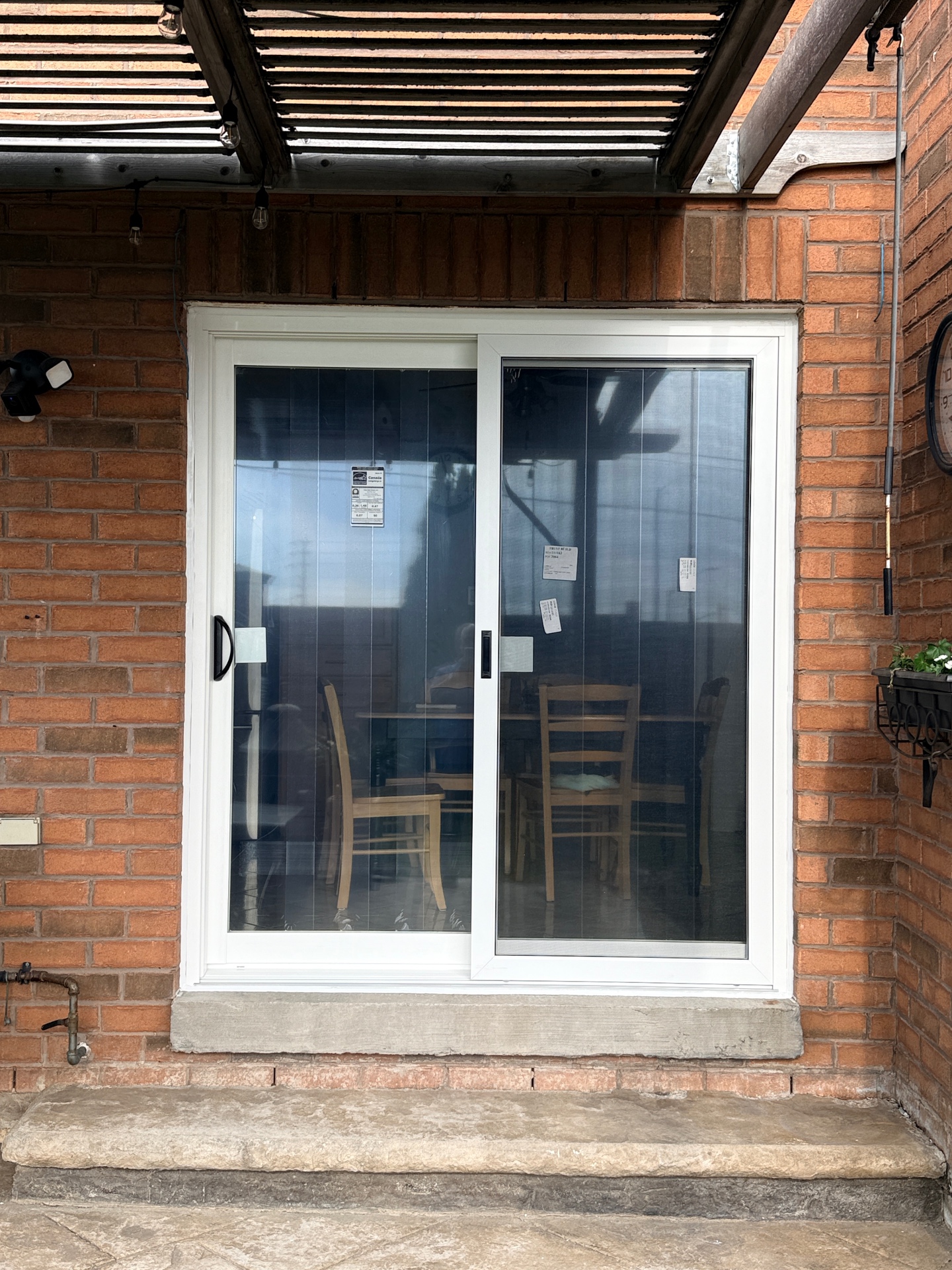
Most window mould conversations are about condensation: moisture on cold glass, damp sills, a musty smell you can trace to a specific corner of a specific room. That's a real, visible problem with a known fix. This is a different one. Old windows develop small gaps and cavities around their frame as caulking dries out, seals fail, and the frame itself shifts slightly over years of settling. Those gaps sit inside the wall, not on the glass, which means the moisture problem they create can be growing for years without a single visible sign in the room.
Why this is a separate problem from condensation mould
Condensation mould forms when warm indoor air meets cold glass, and it shows up right where you'd expect it: on the window itself, on the sill, sometimes on nearby trim. It's uncomfortable and worth addressing, but it's visible, which means a homeowner at least knows it's there. A gap around an old window frame is a different mechanism entirely. It lets moist air, or in worse cases actual water, into the wall cavity behind the frame, where it has no reason to ever become visible until the damage is extensive enough to show through drywall, paint, or flooring nearby.
How gaps actually form around an aging window
No window frame is installed as a permanently sealed unit. Caulking dries out and cracks over years of temperature cycling. Wood or vinyl framing can shift slightly as a house settles, opening tiny gaps that weren't there when the window was new. On older installations, especially ones done before current air-barrier and flashing standards were common practice, the seal between the window frame and the surrounding wall structure was sometimes never as tight as it should have been to begin with. None of this is dramatic or sudden. It's a slow accumulation of small openings that individually seem insignificant.
Why the wall cavity is worse than the surface
Mould on glass gets wiped down, dries out seasonally, and is at least visible enough that a homeowner can track whether it's getting worse. Mould growing inside a wall cavity has none of those checks. It's dark, often has a steady low-level moisture source feeding it from a gap that's been there for years, and isn't discovered until something else, a renovation, a wall opened up for another reason, or a window finally being replaced, exposes what's actually been happening behind the drywall. By that point, what would have been a straightforward seal fix has often become a materials problem: affected framing, insulation, or drywall that needs to be addressed alongside the window itself.
Why full-frame replacement addresses this directly
A full-frame replacement removes the window and its surrounding structure back to the studs, which means the cavity around the opening is actually visible and inspectable during the project, not just assumed to be fine. This is a meaningfully different scope than an insert replacement, which leaves the existing frame and whatever's happening behind it untouched. If your home's windows have never had this kind of inspection, and they're original or older, that hidden cavity has simply never been checked.
This isn't the same as the mould you can see on your glass
If what you're dealing with is visible mould on your window glass or sill, that's almost always a condensation issue tied to indoor humidity and cold glass surfaces, not a wall cavity problem. That has its own specific causes and cleaning approach, and it doesn't necessarily mean anything is happening inside the wall. The distinction matters because the fix is different: surface condensation responds to humidity control and better glass; a hidden cavity issue requires actually opening up the wall to find and address it.