If you've looked into insulation grants for a Vaughan home recently, you've probably run into outdated information — old program names, audit requirements that no longer apply, or funding amounts that don't match what's actually on offer today. Here's what's currently available, how it works, and what it takes to qualify.
The programs that used to anchor most of this advice — the Canada Greener Homes Grant, the Canada Greener Homes Loan, and Enbridge's Home Efficiency Rebate Plus (HER+) — have all closed. The federal grant and loan stopped accepting new applications, and HER+ wound down roughly two years ago. None of them can be applied for today, regardless of what older articles or forum posts say.
What's actually available now
Ontario's Home Renovation Savings program currently includes a standalone rebate for attic insulation upgrades — separate from the larger bundled rebate that covers windows, doors, and other measures together. That distinction matters: the attic insulation path doesn't require you to bundle it with another renovation, and it doesn't require the pre- and post-work energy assessment that the bundled path does.
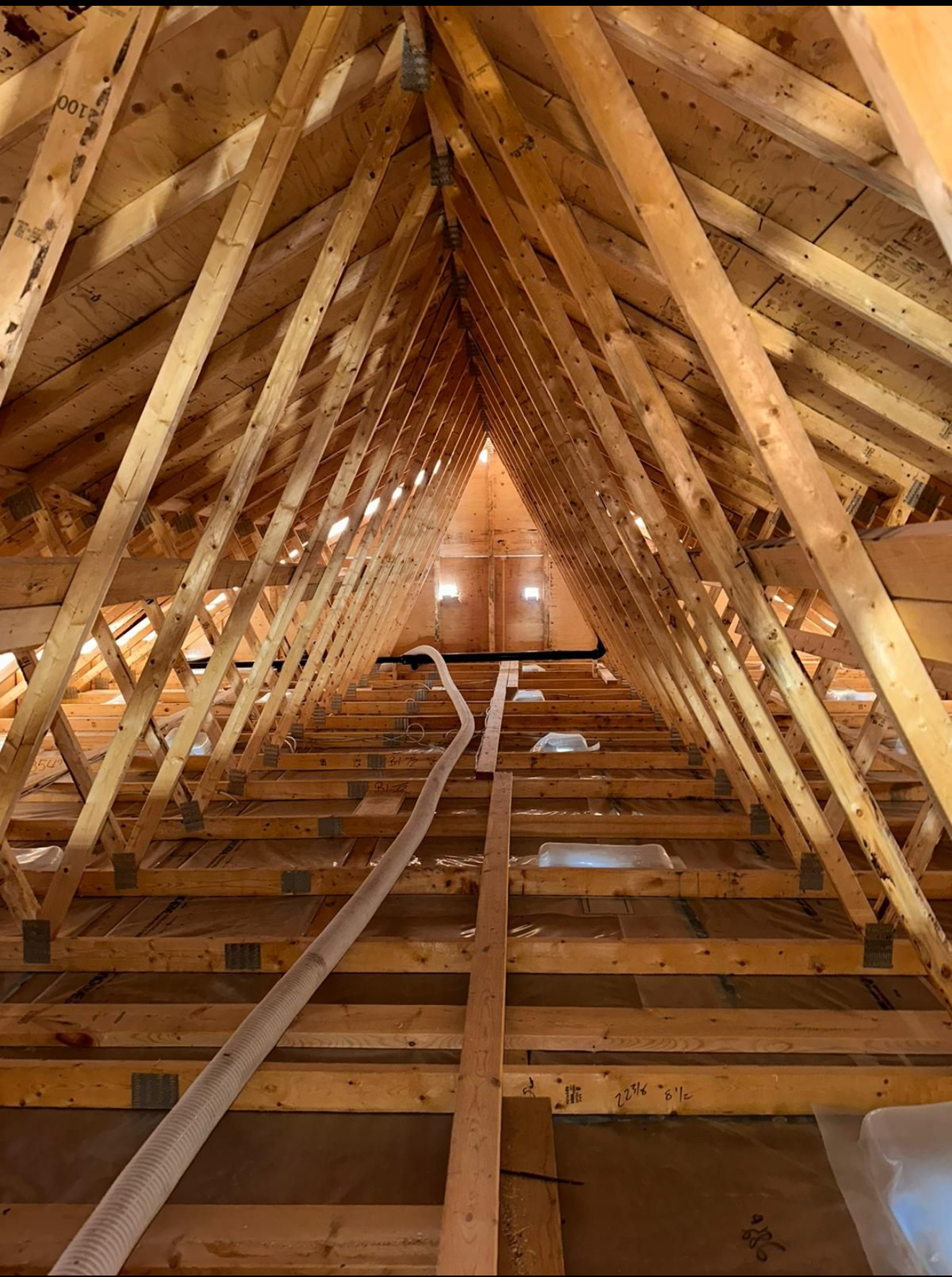
- Up to $1,250 for a standard (open) attic
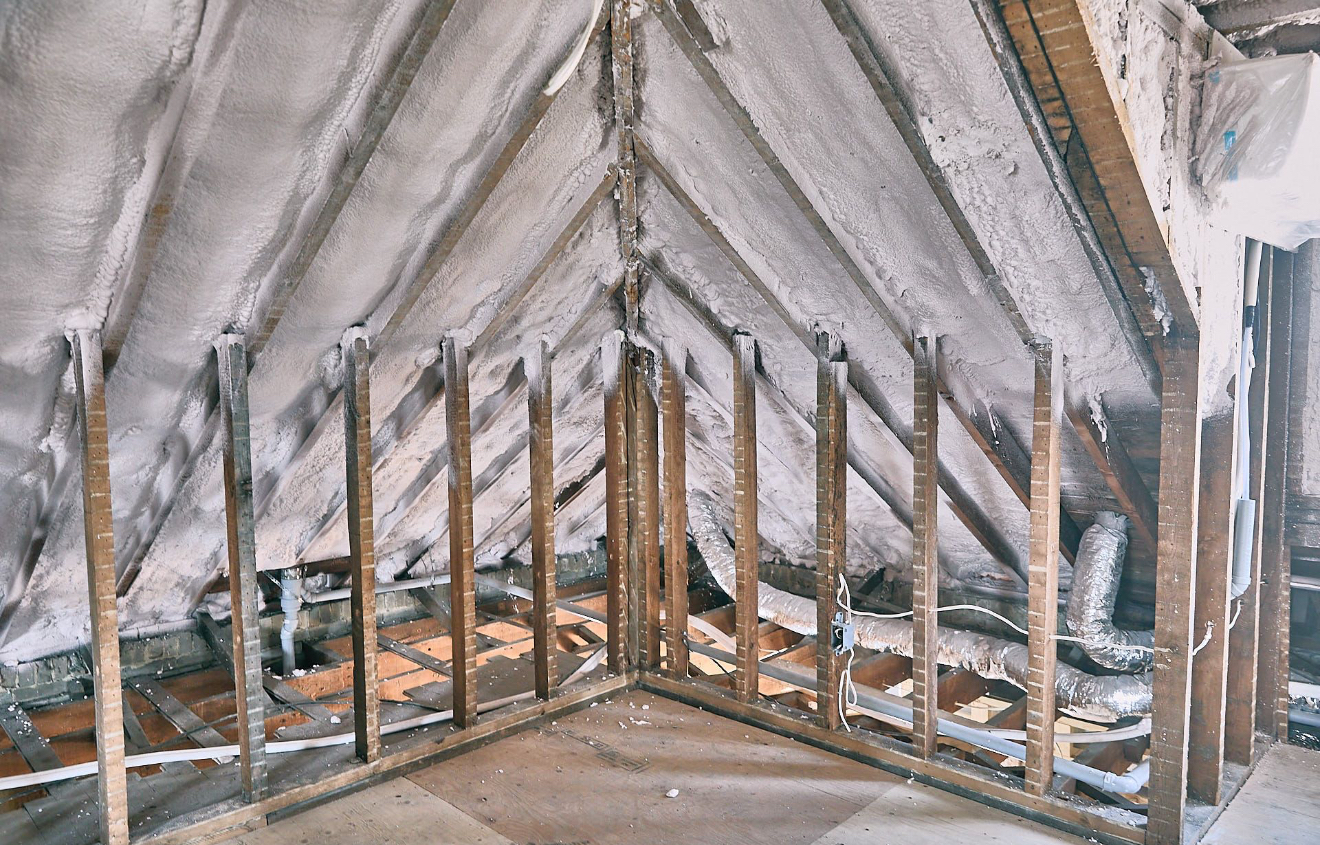
- Up to $750 for a cathedral or flat-roof attic
- The rebate is 50% of your project cost, up to those caps — whichever is lower
- No bundling with other home improvements required
- No energy audit or EnerGuide assessment required for this specific rebate
Who qualifies
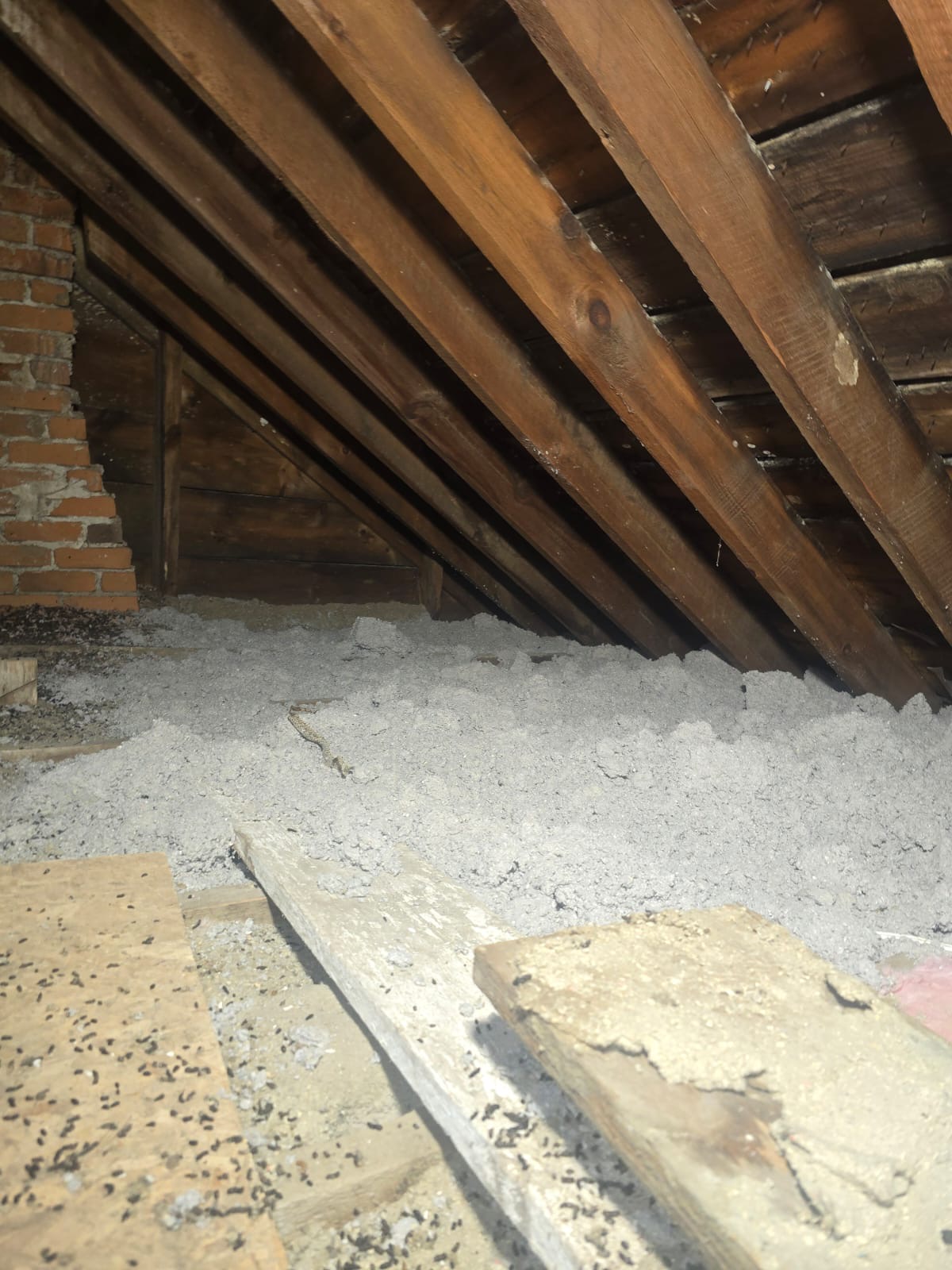
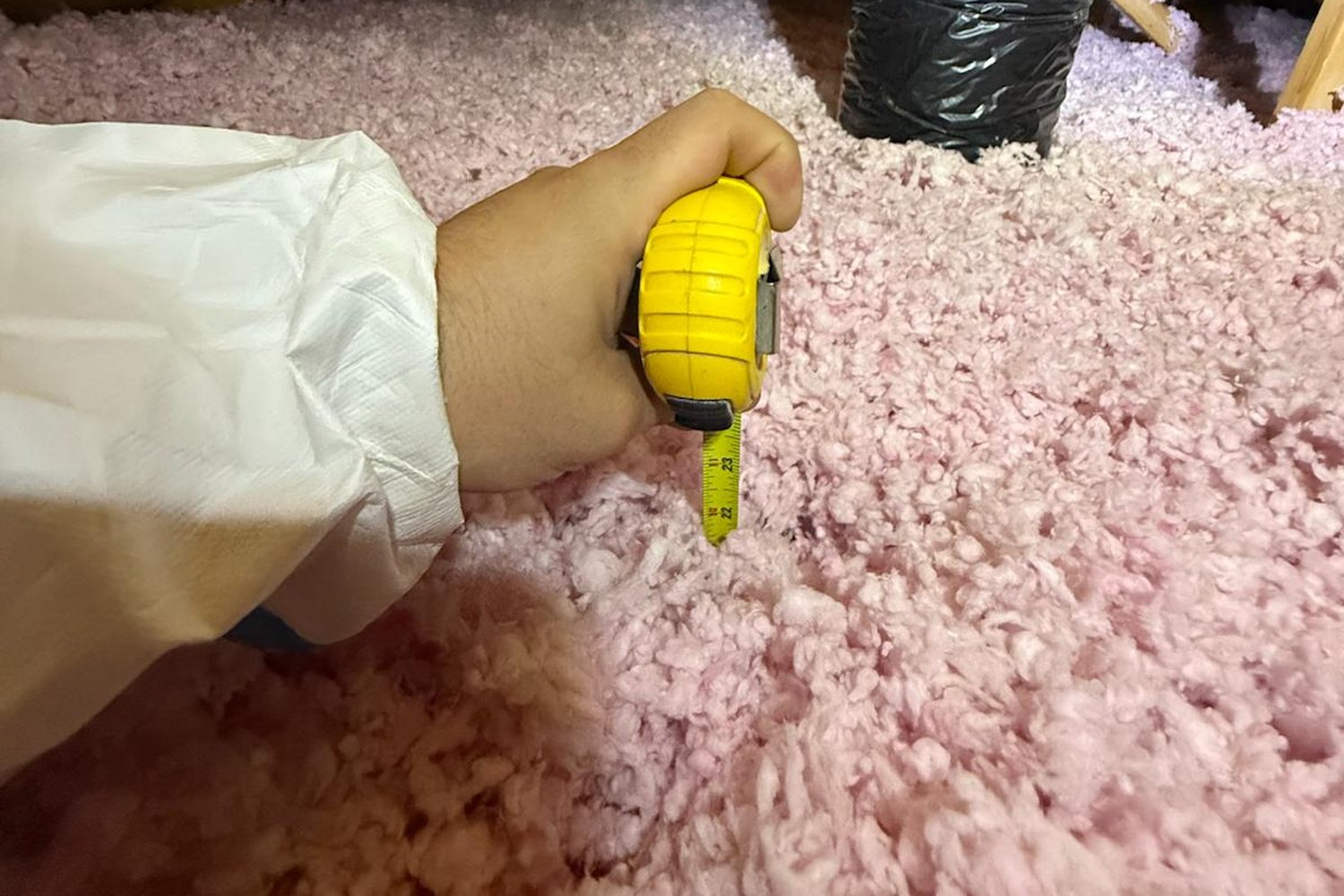
Eligibility is based on your attic's current insulation level, not your income or the age of your home. To qualify, your existing attic insulation needs to be at R-35 or less. The program funds upgrading a standard attic to R-50, or a cathedral or flat-roof attic to somewhere in the R-20 to R-28 range, depending on the assembly. A lot of Vaughan homes built through the 1980s and into the mid-1990s — particularly older sections of Woodbridge, Concord, and Maple — sit at or below that R-35 threshold without the homeowner necessarily knowing it, since insulation levels aren't something most people check unless they're specifically looking.
How the process actually works
One of the bigger changes from the older programs is who handles the paperwork. Rather than the homeowner creating a portal account, booking their own energy audit, and submitting an application, a registered contractor typically handles the submission as part of the project. That doesn't mean any contractor's invoice automatically qualifies — the paperwork still needs to document the existing R-value, the installed product, and the resulting R-value — but it removes the audit-booking and self-submission steps that used to be the biggest source of delays and disqualifications under the old process.
The program is confirmed active through November 30, 2026. It's already been extended once, and Ontario programs like this one have closed early in the past once funding allocations were used up, so there's no guarantee it stays open right up to that date.
What this looks like in practice
Take a Woodbridge home built in the late 1970s or 1980s with the original attic insulation still in place — commonly somewhere around R-12 to R-20, well under the R-35 eligibility ceiling. A blown-in top-up to R-50 on that attic would qualify for the rebate. On a project priced at $2,500 or more, that's the full $1,250 rebate; on a smaller project, the rebate is 50% of whatever the project actually costs, up to that cap.
Planning an insulation upgrade in Vaughan?
Trust Build installs blown-in attic insulation across Vaughan and York Region, and provides the itemized, product-level invoicing the current rebate requires. We can also walk you through the current Ontario grant and rebate programs before your project starts, so you know what to expect.
Get a free quote: request an attic insulation quote online. Or reach us at hello@trustbuildwindows.com · 1-800-563-1273.