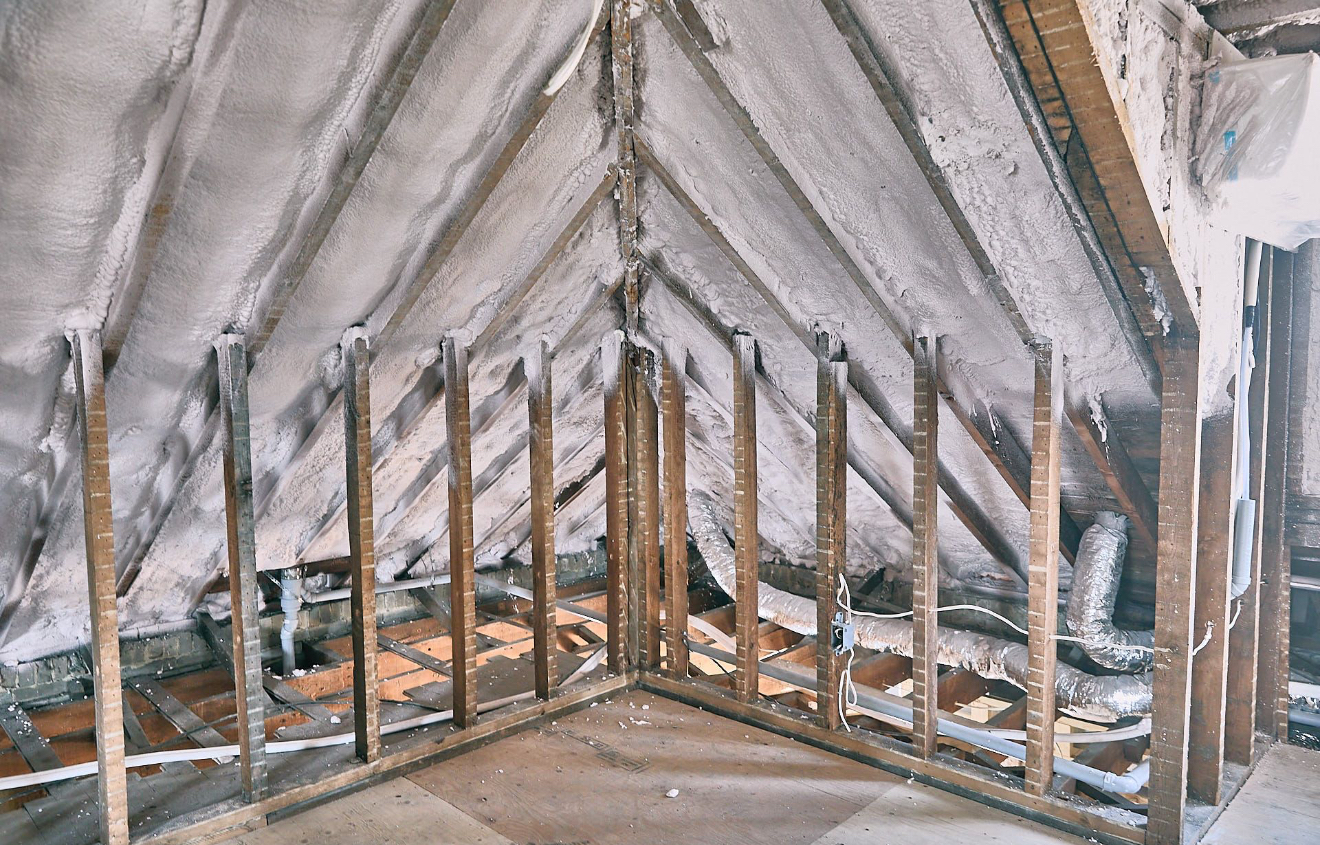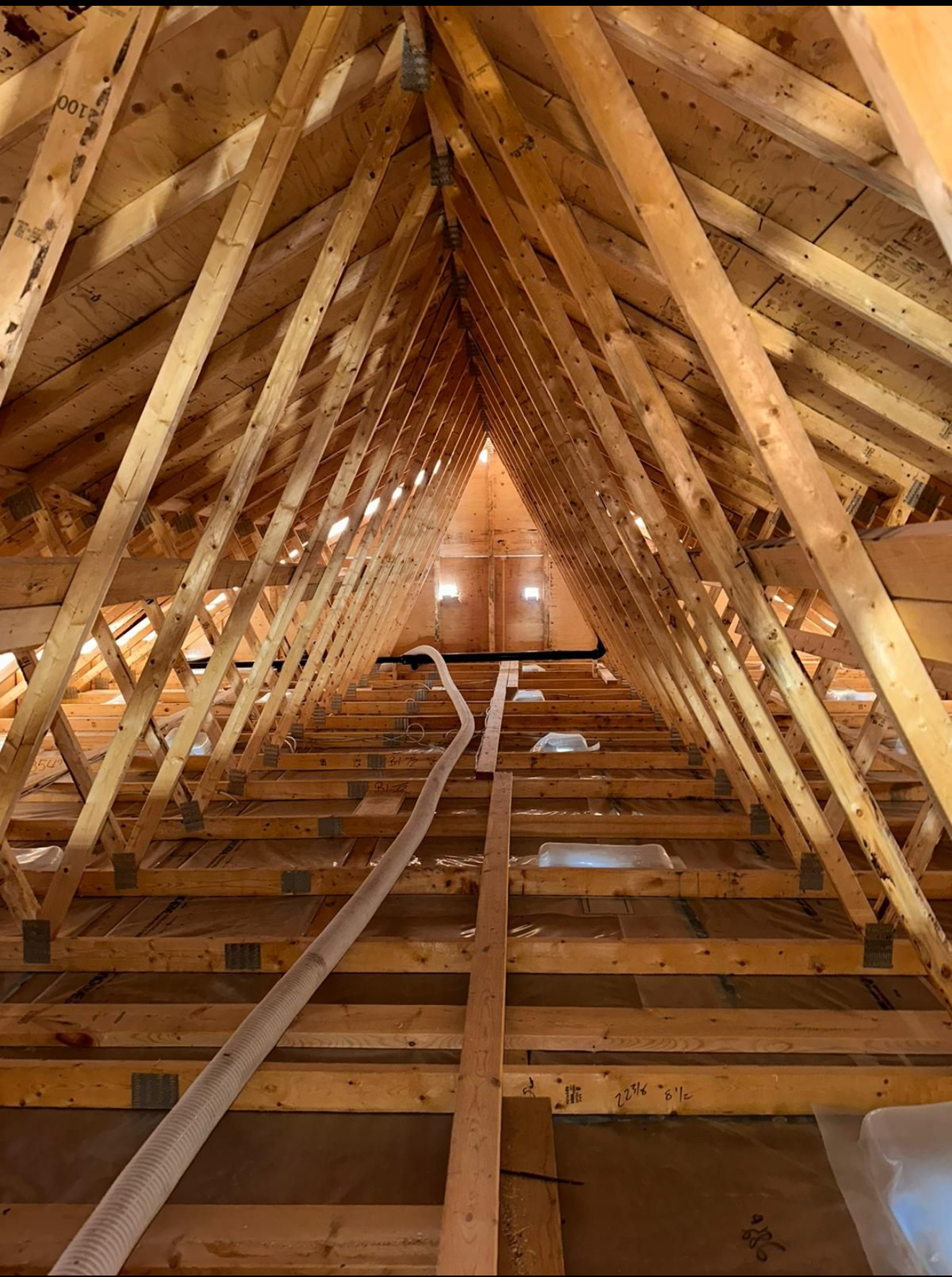
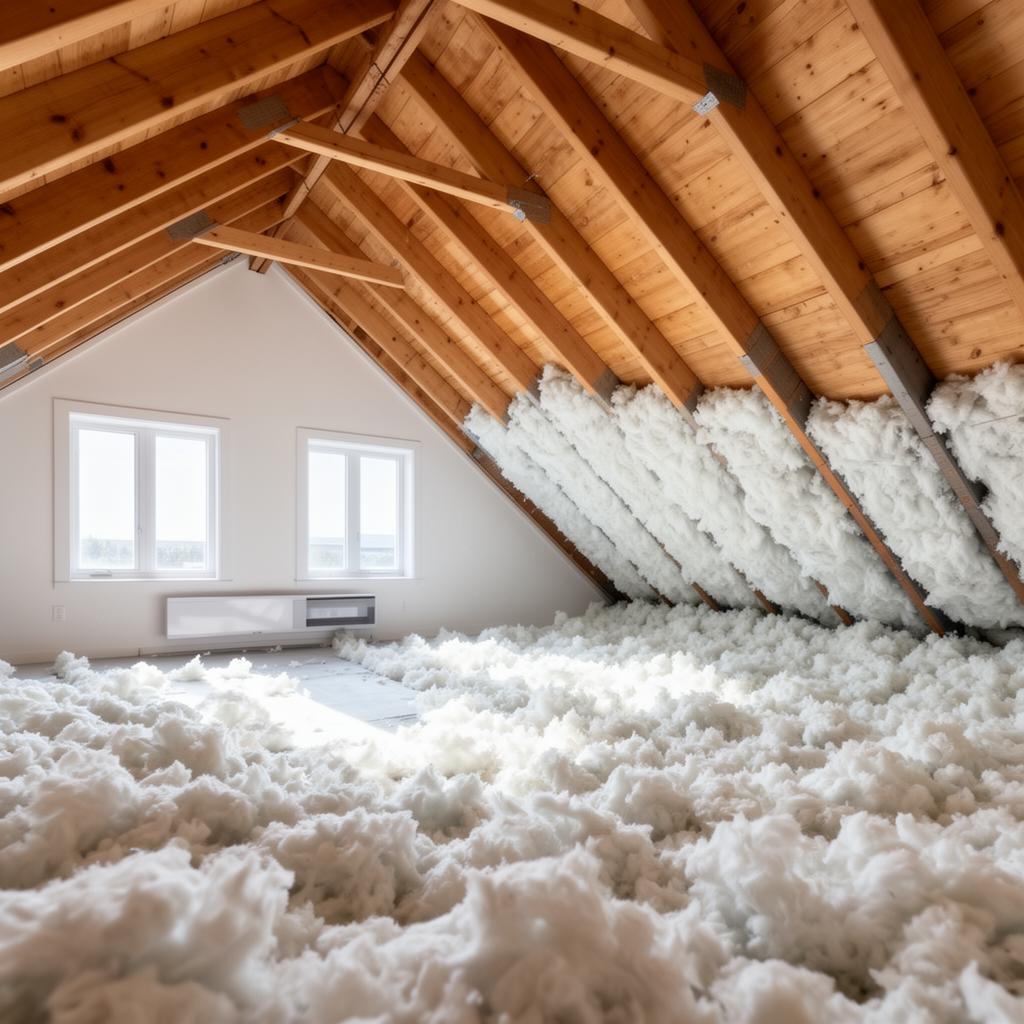
Blown-in cellulose attic insulation installed over a sealed attic floor in a Vaughan home, the highest-impact heat loss fix in York Region

Energy Efficiency

Why Your Vaughan Home Is Losing Heat Through Three Specific Zones — and How Ontario's Grant Programs Pay to Fix Them

The physics of heat loss in older Vaughan homes are well understood — attic deficit, uninsulated rim joists, and air leakage account for the majority of excessive heating costs — and Ontario's current grant programs are specifically designed to fund the fix.

Heat moves in one direction: from warm to cold. In a Vaughan winter, that means your home is constantly pushing warmth outward through every surface that separates inside from outside. Your furnace compensates by running longer and harder. Your Enbridge bill reflects the difference between how well your envelope holds heat and how cold it is outside.

Most Vaughan homeowners accept their heating bills as fixed costs of living in York Region. They are not. A significant portion of those bills — often 25–40% in pre-1995 homes — is the direct financial cost of an insulation deficit that Ontario's grant programs will pay to fix.

Zone 1: The attic — responsible for 25–40% of total heat loss

Heat rises. In a home with R-14 attic insulation — typical of 1980s Woodbridge construction — that rising heat reaches the ceiling, passes through the thin insulation layer, and exits into the cold attic space above. The attic ventilates to outside temperature, so the heat is gone permanently, and your furnace runs another cycle to replace it.

Grant target: R-50 for most attics, or R-20 to R-28 for cathedral or flat roofs. A Woodbridge home at R-14 has a 36-point deficit to the R-50 target — well within range for the current standalone attic insulation rebate, which applies to attics currently insulated at R-35 or less.

Zone 2: Rim joists — responsible for 15–25% of total air infiltration

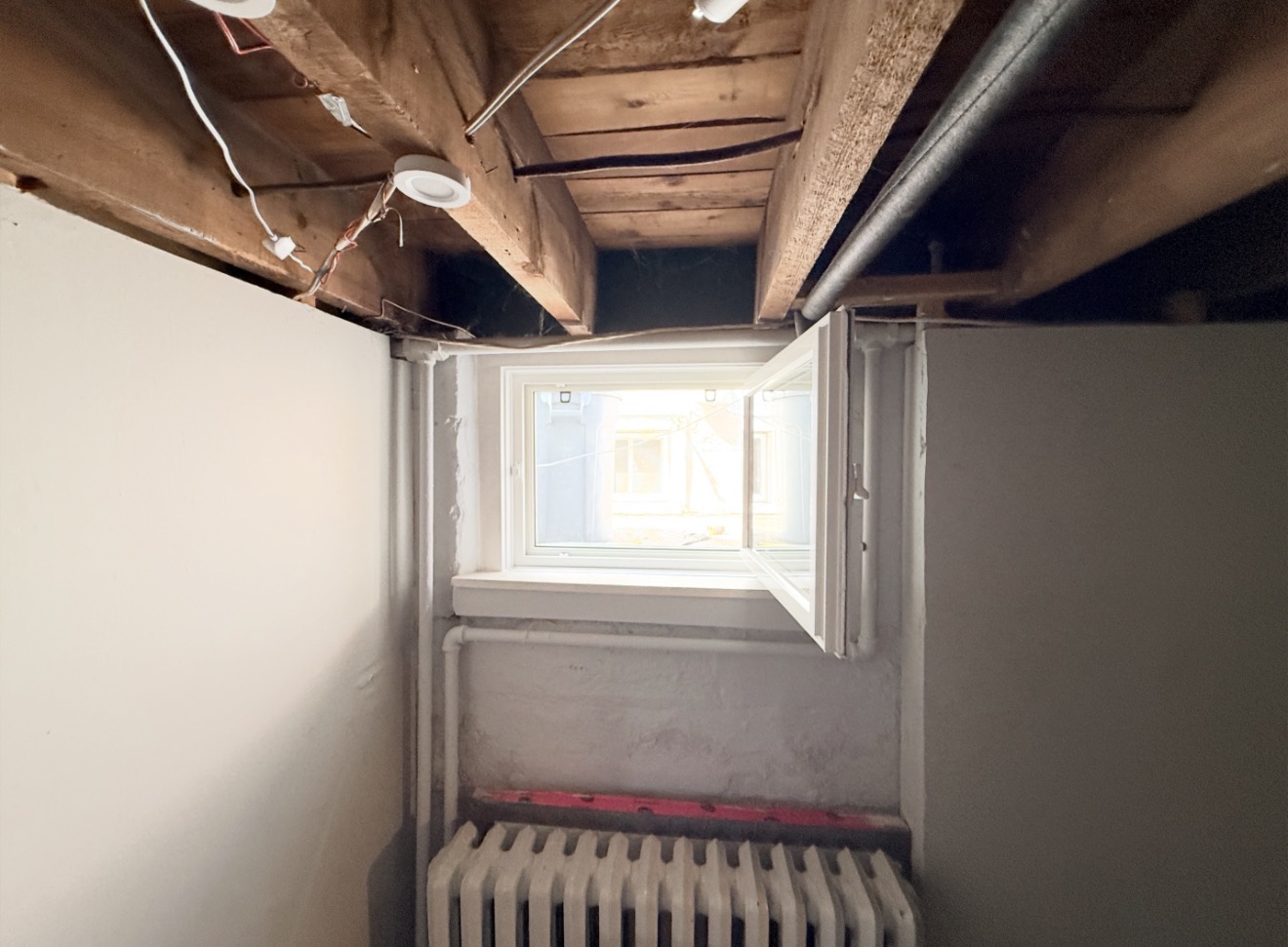
The rim joist is the band of framing at the very top of your foundation walls, where the floor system meets the concrete. It is typically 1.5 to 2 inches of wood framing with no insulation behind it — a direct cold air pathway from outside into your basement living space.

In a Concord or Maple home built in the late 1980s, uninsulated rim joists in a 1,500-square-foot footprint represent approximately 180 linear feet of uninsulated cold-air contact. The fix itself is straightforward — spray foam or rigid foam insulation cut and fitted to each bay — though it isn't covered by the current standalone attic insulation rebate the way the attic itself is. It's worth doing at the same time as an attic upgrade for the comfort and heating-cost benefit; just confirm with your contractor whether it falls within your specific project's rebate scope.

Zone 3: Air leakage — the invisible multiplier

In an older Vaughan home, air leakage is often the largest single driver of heating cost after the attic. Air infiltrates through gaps around electrical outlets, plumbing penetrations, attic hatch perimeters, pot light cutouts, and the intersection of the ceiling plane with interior walls.

A blower door test is a diagnostic tool typically used as part of a broader EnerGuide energy assessment — it isn't a required step for the current standalone attic insulation rebate, though it can still be useful if you're having a fuller energy assessment done for other reasons. A typical pre-1990 Vaughan home tests at 5–8 air changes per hour (ACH), compared to a code-built 2015 home at 1.5–2.5 ACH. Targeted air sealing concurrent with attic insulation typically reduces ACH by 30–50%.

What the current rebate actually pays for

Attic insulation upgrades — bringing an attic currently at R-35 or less up to R-50 (or R-20 to R-28 for a cathedral or flat roof) — qualify for 50% of the project cost, up to $1,250 for a standard attic or $750 for a cathedral/flat-roof attic. Unlike some of Ontario's other retrofit programs, this rebate doesn't require a pre- or post-work energy assessment to qualify — a registered contractor can typically document the existing and installed R-values directly as part of the project.

Rim joist insulation and air sealing are worth doing at the same time for the comfort and heating-cost benefit, but the guaranteed rebate figures above apply specifically to the attic insulation portion of the work — confirm with your contractor which parts of a combined project fall within the current rebate's scope.

Fixing all three zones in one project

Trust Build installs blown-in attic insulation with air sealing and rim joist insulation across Vaughan and York Region, and provides the itemized, product-level invoicing the current rebate requires. If your windows date from the same era as your attic, they are usually the next-largest loss path — energy-efficient vinyl windows are worth pricing at the same time.

Get a free quote: request an attic insulation quote online. Or reach us at hello@trustbuildwindows.com · 1-800-563-1273.

FAQ

Vaughan heat loss and insulation grants — FAQ

The attic in almost every case. At 25–40% of total heat loss, it is the largest single loss mechanism in most pre-1995 Woodbridge, Concord, and Maple homes. Rim joists and air sealing add meaningfully to the total but the attic is always the priority.
Not under the current standalone attic insulation rebate, which applies specifically to attic insulation. Rim joist insulation is worth doing alongside an attic upgrade for the comfort and heating-cost benefit, but confirm with your contractor whether it falls within your project's rebate scope before assuming it's included.
A blower door test is a diagnostic tool that measures a home's air leakage using a calibrated fan, typically performed as part of a broader EnerGuide energy assessment. It isn't a required step for the current standalone attic insulation rebate, though it can still be a useful way to understand where a home is losing air if you're having a fuller energy assessment done for other reasons.
Yes, but it's almost always done concurrently with attic insulation because access to the attic floor is required for both. Doing them together is more cost-effective and captures more of the benefit in one project — though air sealing on its own isn't part of the current attic insulation rebate the way the insulation itself is.

Related Articles

Keep reading from the Trust Build blog

7 Red Flags That Tell You an Insulation Contractor in Vaughan Cannot Handle Your Grant Application
Energy Efficiency

7 Red Flags That Tell You an Insulation Contractor in Vaughan Cannot Handle Your Grant Application

Vaughan’s large and active renovation contractor market includes many operators who market grant services without the process competence to deliver them — these seven warning signs identify them before they cost you your eligibility.

Read more
Blown-In Cellulose vs. Spray Foam vs. Fibreglass: Which Insulation Is Right for Your Vaughan Home?
Energy Efficiency

Blown-In Cellulose vs. Spray Foam vs. Fibreglass: Which Insulation Is Right for Your Vaughan Home?

The insulation product you choose affects your grant eligibility, your long-term performance, and your total project cost — and the right answer for a Woodbridge attic is different from the right answer for a Concord rim joist or a Maple basement wall.

Read more
The New Vaughan Homeowner’s Guide to Insulation Grants — What to Do in Year One
Energy Efficiency

The New Vaughan Homeowner’s Guide to Insulation Grants — What to Do in Year One

Most new Vaughan homeowners discover their insulation deficit through their first winter gas bills rather than during the purchase process — by which point they have already paid several months of unnecessary heating costs that grant programs would have funded.

Read more
Insulation Upgrade vs. Window Replacement: Which Should a Vaughan Homeowner Do First?
Energy Efficiency

Insulation Upgrade vs. Window Replacement: Which Should a Vaughan Homeowner Do First?

Both upgrades improve a Vaughan home’s energy performance, but the grant availability, the scale of heat loss addressed, and the payback timeline are so different that the sequence question has a clear answer for most pre-1995 Woodbridge and Concord homes.

Read more
7 Insulation Grant Myths That Are Costing Vaughan Homeowners Thousands of Dollars
Energy Efficiency

7 Insulation Grant Myths That Are Costing Vaughan Homeowners Thousands of Dollars

From "my house is too new" to "you need low income to qualify" — the myths around Ontario insulation grant programs are widespread in Vaughan and each one carries a measurable financial cost for homeowners who believe them.

Read more

Free Quote

Want to know which zone is costing you most?

Get a free on-site assessment with R-value measurement across attic, rim joists, and air sealing points — plus grant-ready itemized quoting from our in-house crews.

  • Detailed project assessment
  • Written itemized quotation
  • Product and installation recommendations
  • Financing options available

Get Your Free, No-Obligation Quote

Tell us a little about your project and we'll get back to you. Takes under a minute — no pressure, no pushy calls.

By requesting a quote you agree to be contacted about your request. We never share your info or send spam.

Join 8,700+ Ontario homeowners · Energy Star products · Lifetime transferable warranty