Vaughan's identity as a city of new construction obscures a significant pocket of pre-1995 housing across Woodbridge, Concord, and Maple — homes with insulation deficits that translate directly into hundreds of dollars of unnecessary heating costs every winter.
Ask most Vaughan homeowners about their heating bills and they'll say the number seems high for a city with so much new construction. That instinct is correct — but it's pointing at the wrong part of the market. The problem isn't the new builds. It's the large pocket of pre-1995 housing across Woodbridge, Concord, and Maple that gets ignored because Vaughan's public identity skews toward the newer subdivisions north of Highway 7.
Those older homes — built between the mid-1970s and mid-1990s — carry insulation deficits that produce measurable, unnecessary heating costs every single winter.
Vaughan's climate profile
Key stats
- 3,900 heating degree days annually in York Region
- $1,400–$2,200 typical annual gas bill in a pre-1990 Woodbridge or Concord home
- 30–40% of home heat lost through the attic in an under-insulated pre-1995 home
- $700–$1,000 estimated annual savings after a full attic and rim joist upgrade
Vaughan sits at roughly 43.8°N latitude with January lows regularly hitting −15°C to −20°C. At 3,900 heating degree days, York Region's heating load is meaningfully heavier than downtown Toronto — enough that a 40-point R-value deficit in an attic translates to hundreds of dollars of unnecessary annual gas spending.
The insulation gap by era
The current grant program targets R-60. Here's what Vaughan's housing stock was actually built to:
- Pre-1975 (original Woodbridge/Concord): R-8 to R-12 — gap to R-60 up to 52 points
- 1975–1985 (core Woodbridge expansion): R-12 to R-20 — gap 40–48 points
- 1985–1995 (early Maple/Thornhill): R-20 to R-28 — gap 32–40 points
- 1995–2005 (Vellore Village early phase): R-28 to R-36 — gap 24–32 points
- Current grant target: R-60
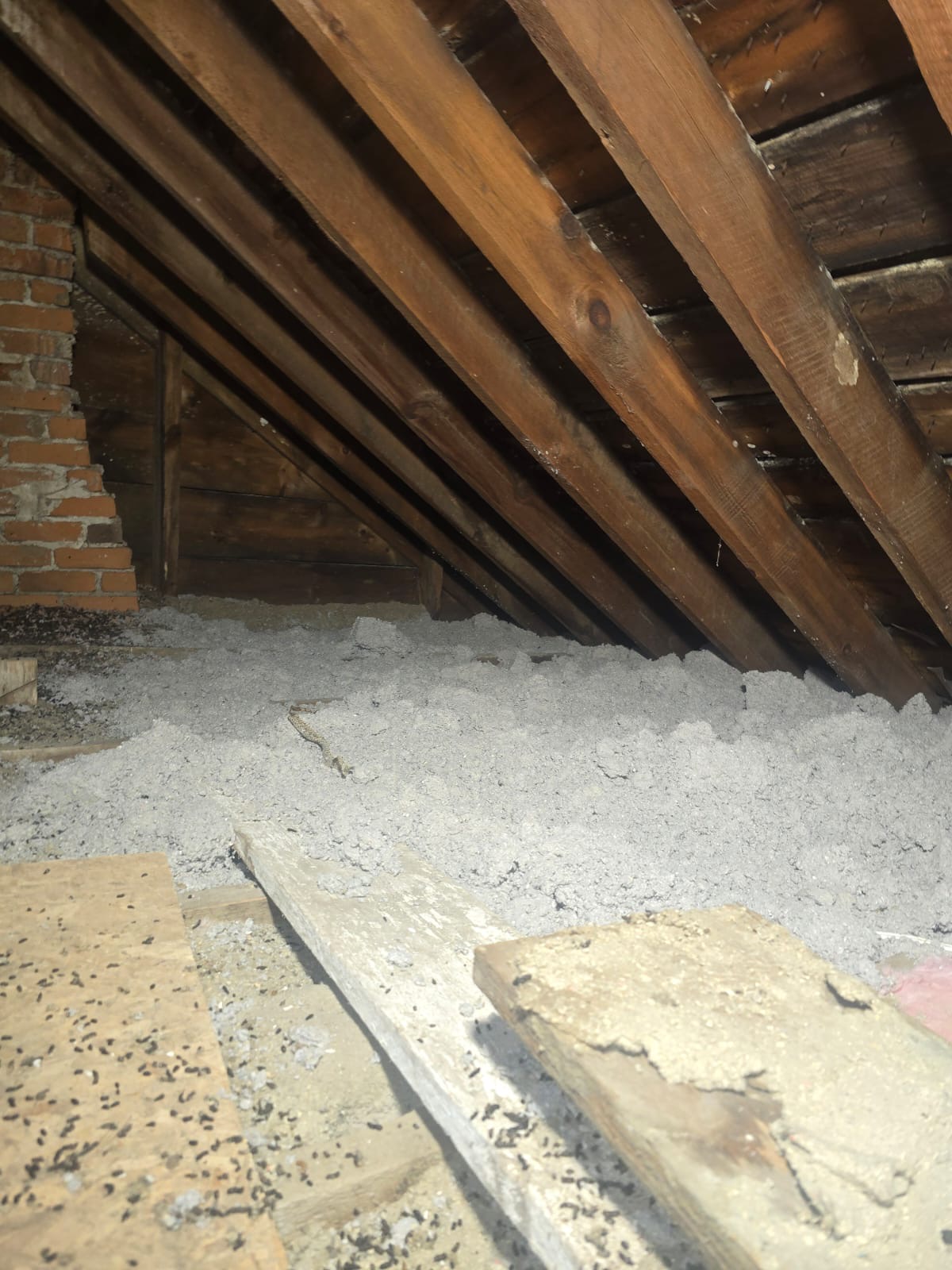
The degradation factor: a Woodbridge bungalow installed to R-14 in 1982 is often performing at R-10 to R-12 today. Blown-in fibreglass settles over decades, and moisture cycling reduces effective R-value further. The real gap to R-60 is larger than the construction-era number suggests.
What the gap costs — two Vaughan homes compared
Home A — 1982 detached bungalow, Woodbridge (attic at R-14 effective)
- Annual Enbridge bill: $2,040
- Estimated ceiling heat loss share: 38%
- Annual cost of under-insulation: ~$775
- After upgrade to R-60 (net cost after grants ~$1,100): annual gas drops to ~$1,260
- Payback at net cost: under 18 months
Home B — 1993 two-storey, Maple (attic at R-24 effective)
- Annual Enbridge bill: $1,680
- Estimated ceiling heat loss share: 28%
- Annual cost of under-insulation: ~$470
- After upgrade to R-60 (net cost after grants ~$900): annual gas drops to ~$1,210
- Payback at net cost: under 24 months
Annual savings by era after upgrading
| Home era | Installed R-value | Effective today | Gap to R-60 | Annual saving after upgrade |
|---|---|---|---|---|
| Pre-1980 Woodbridge | R-8 to R-14 | R-7 to R-11 | 49–53 points | $850–$1,050 |
| 1980–1990 Concord/Maple | R-14 to R-22 | R-12 to R-18 | 42–48 points | $700–$900 |
| 1990–2000 Thornhill/Vellore early | R-22 to R-30 | R-20 to R-28 | 32–40 points | $500–$700 |
Closing the gap on your own home
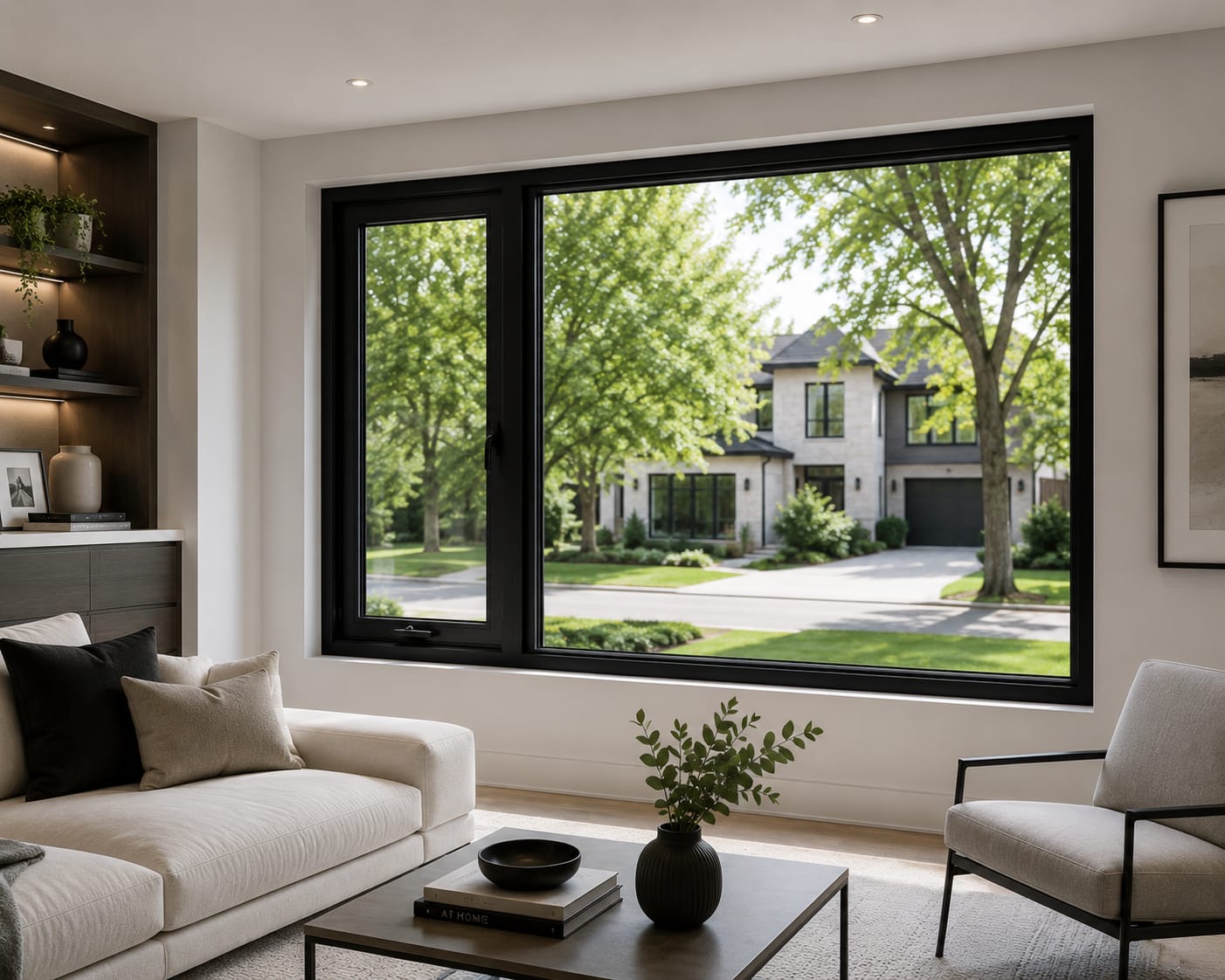
Trust Build installs blown-in attic insulation to R-60 with air sealing across Vaughan and York Region, and provides the itemized invoicing the Ontario grant and rebate programs require. If your windows are from the same era as your attic, they are usually the second-largest loss path — energy-efficient vinyl windows are worth pricing at the same time.
Get a free quote: request an attic insulation quote online. Or reach us at hello@trustbuildwindows.com · 1-800-563-1273.