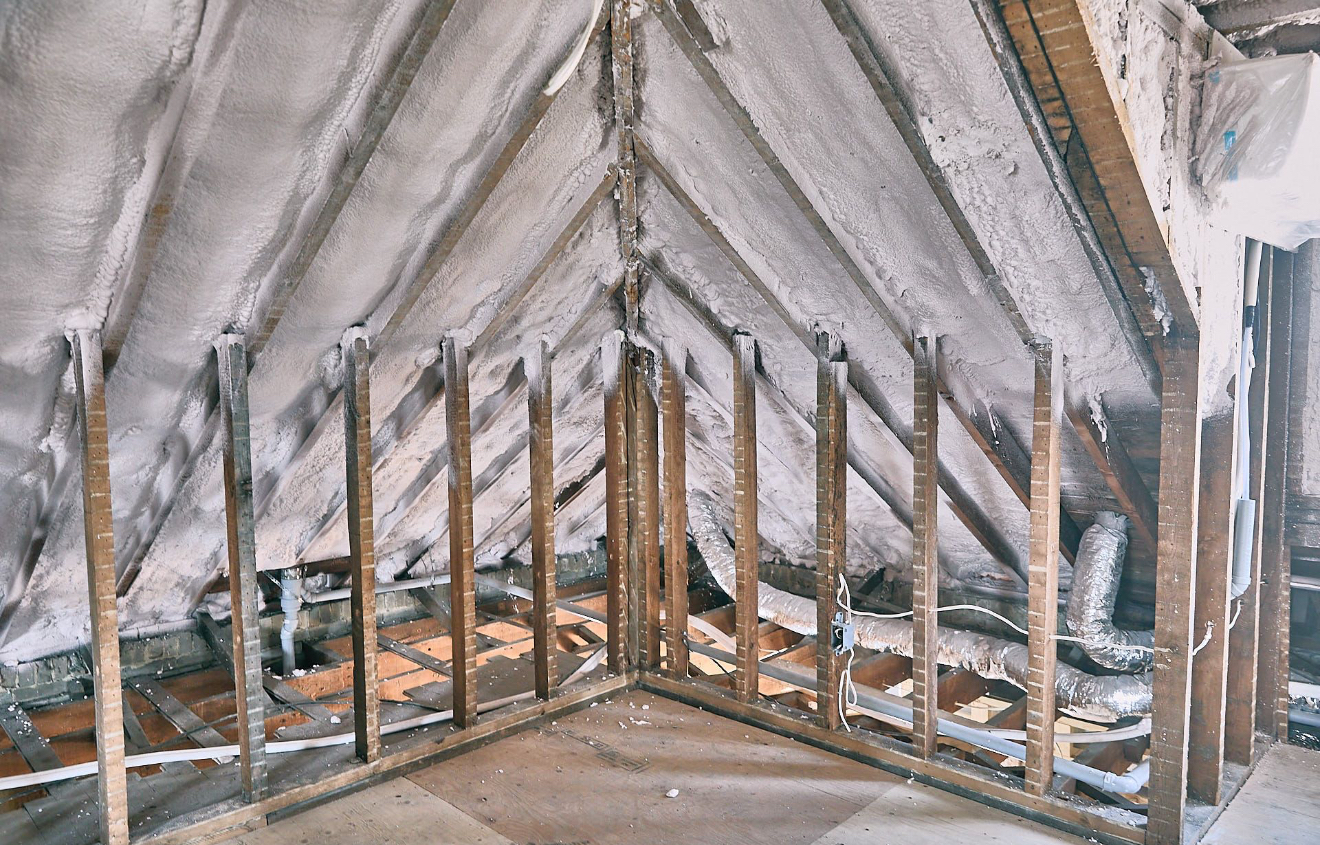
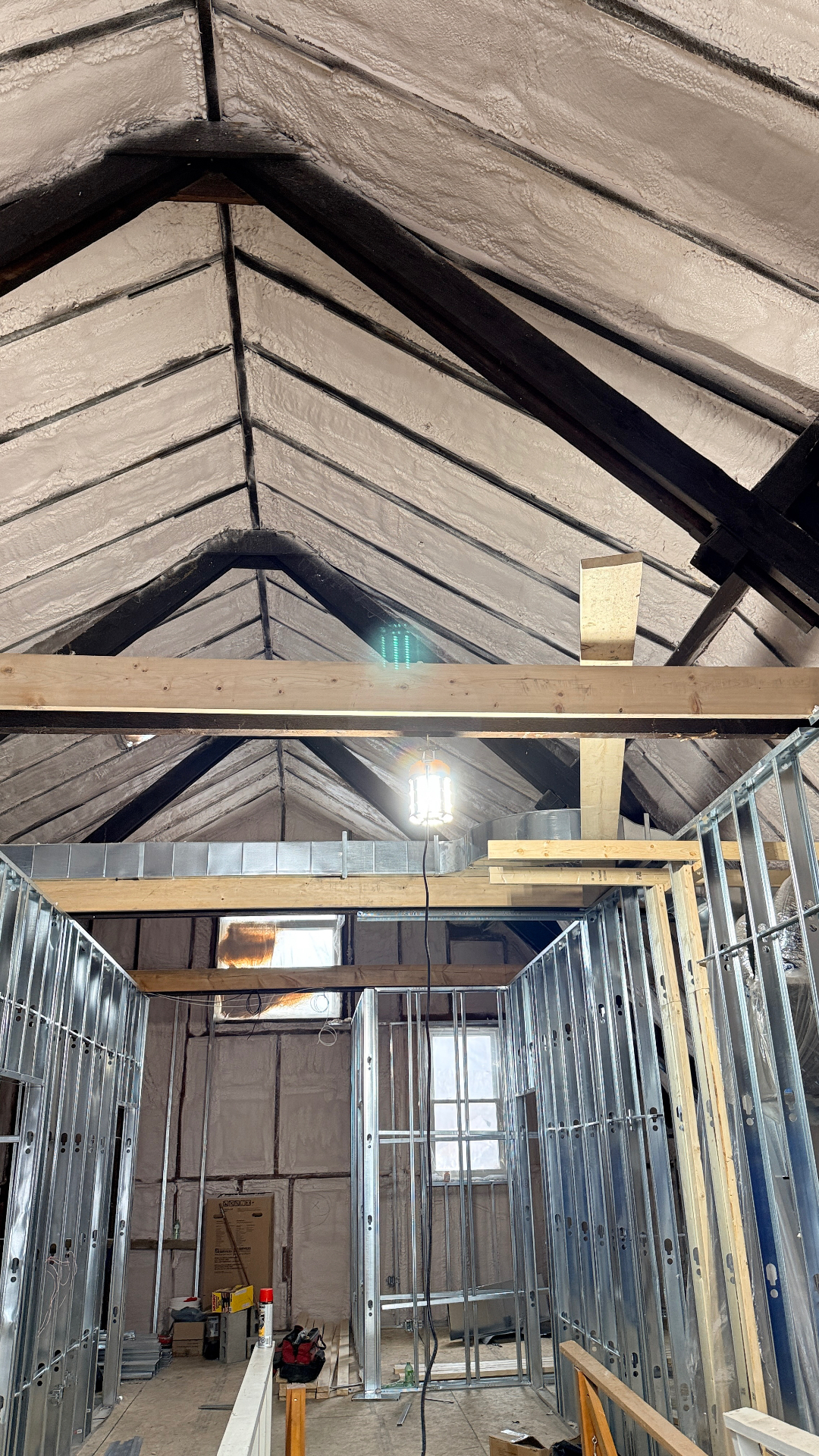
Vaughan attic interior with spray foam insulation applied to the roof deck and rafters above a framed second-floor addition, during a grant-eligible insulation upgrade

Energy Efficiency

7 Insulation Grant Myths That Are Costing Vaughan Homeowners Thousands of Dollars

From “my house is too new” to “the grant won't cover enough” — the most expensive insulation grant misconceptions in Vaughan, corrected.

Last updated: July 31, 2026

Insulation grant myths are not random. They reflect the specific assumptions that homeowners in Vaughan's demographic and housing context bring to the subject. A city with above-average incomes, a strong new-construction identity, and a well-developed home renovation market produces a specific set of wrong beliefs about who qualifies, what the process involves, and whether the financial case actually works out. Seven of the most costly ones are corrected below.

Myth 1: "My house is too new to qualify — it was built in 1994."

A 1994 Vaughan home was built to R-20 to R-28 in the attic. The current grant program targets R-60. The 32–40 point deficit is not trivial — it qualifies for meaningful grant funding and produces measurable energy savings. "New" in Vaughan housing terms means post-2010. A 1994 home is over thirty years old and was built under standards now considered significantly below the current energy performance floor.

Myth 2: "You need to have a low income to qualify for government insulation grants."

The Canada Greener Homes Grant and Ontario HER+ have no income threshold. Eligibility is based entirely on your home's energy performance relative to the program target, not your household income. A Kleinburg estate home and a Concord semi-detached are evaluated on the same EnerGuide improvement scale.

Myth 3: "I already renovated my attic, so I probably don't qualify."

A previous renovation does not affect eligibility unless it specifically upgraded insulation to or beyond the program targets. A Vaughan homeowner who redid their drywall, installed pot lights, or re-roofed has not necessarily changed their insulation level. The pre-retrofit audit measures current installed insulation regardless of renovation history.

Myth 4: "The grant process takes too long to be worth the hassle."

The grant process takes 5–9 months from audit to payment in current York Region conditions. The administrative effort on the homeowner's side is two audit appointments, one NRCan portal submission, and one or two additional rebate form submissions — roughly 4–6 hours spread over several months. For a $5,000–$7,700 combined grant recovery, that calculates to a financial return of roughly $800–$1,900 per hour of administrative effort.

Myth 5: "Insulation upgrades only help in winter — we don't need them in summer."

The same R-60 attic insulation that blocks heat loss in January also blocks heat gain in July and August. A Vaughan home with inadequate attic insulation experiences significant radiant heat transfer from the sun-heated roof deck into the living space during summer — driving up air conditioning load and hydro bills. The energy benefit is year-round in York Region's climate.

Myth 6: "I should wait until I do a full renovation to insulate."

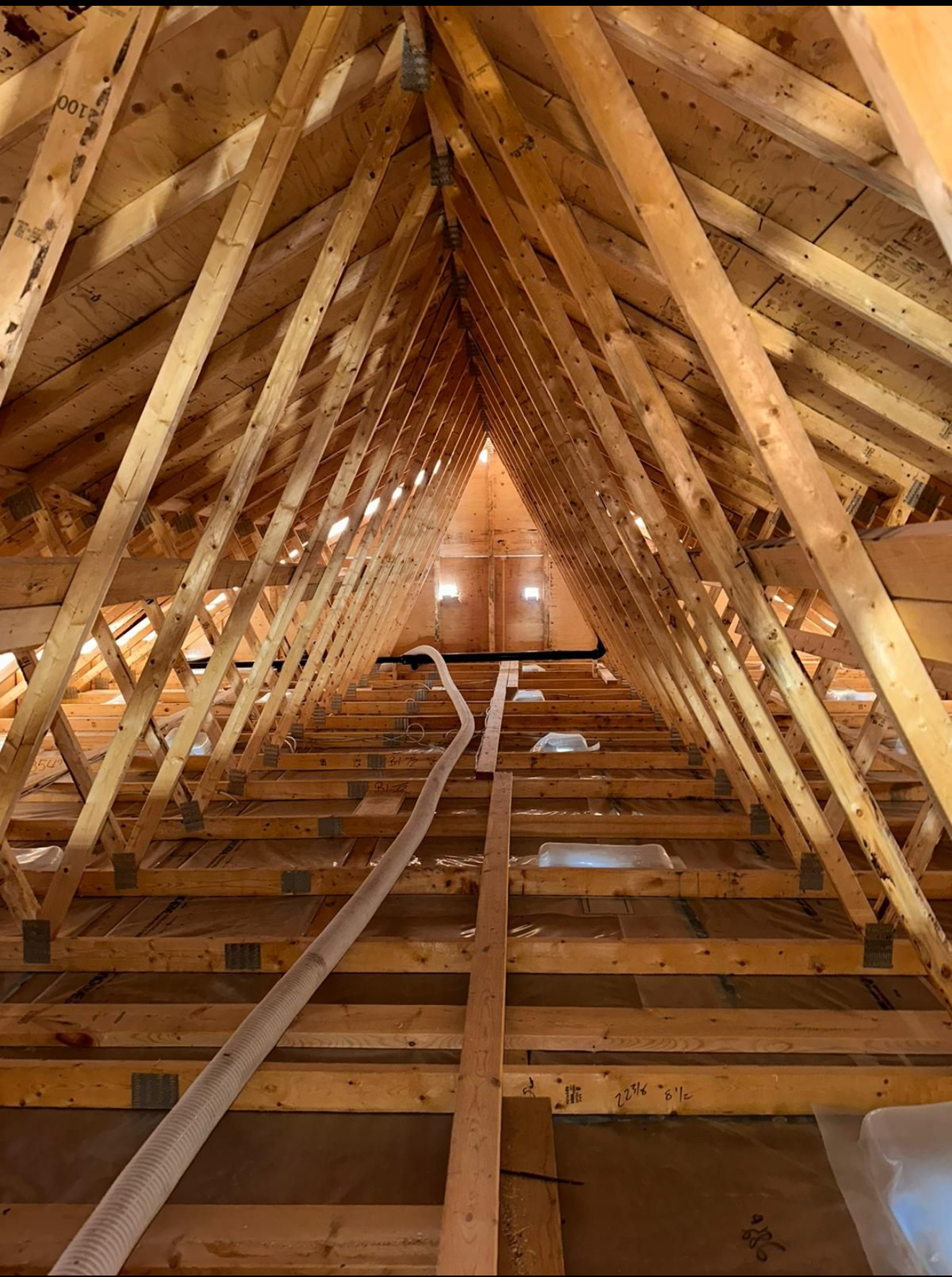
Attic insulation and a major home renovation are independent projects with no meaningful connection. Adding blown-in insulation to an attic requires no drywall work, no finished surface disruption, and no coordination with other renovation trades. Waiting for a full renovation to insulate means paying hundreds of dollars annually in unnecessary heating costs for however many years the renovation is delayed.

Myth 7: "The grant amount won't cover enough to make a real difference to my net cost."

For a pre-1990 Woodbridge or Concord home, the combined federal, provincial, and utility grant can reach $7,700 against a total project cost of $5,500–$8,000. The net cost to the homeowner in many cases is $0 to $1,500. For a 1990s Maple or Thornhill home, the grant recovery covers 60–80% of a typical project.

Don't let a myth cost you the upgrade

The most expensive part of these myths is not the misinformation itself — it is the years of unnecessary heating and cooling costs that accumulate while the homeowner waits to confirm whether the grant is real. The programs are designed for exactly the homes that dominate Vaughan's older neighbourhoods: pre-1990 Woodbridge bungalows, 1980s Concord split-levels, and 1990s Maple and Thornhill subdivisions built before the current energy code.

Trust Build installs blown-in attic insulation to R-60 with air sealing across Vaughan and York Region, and provides the itemized, product-level invoicing these programs require. We can also walk you through the current Ontario grant and rebate programs before you book your audit, so the sequence is right the first time.

Get a free quote: request an attic insulation quote online. Or reach us at hello@trustbuildwindows.com · 1-800-563-1273.
FAQ

Vaughan insulation grant myths — FAQ

No. There is no age cutoff. Eligibility is based on the gap between your current insulation and the R-60 target, which exists in nearly all Ontario homes built before 2010.
No. Neither the Canada Greener Homes Grant nor Ontario HER+ requires any income documentation. Eligibility is based purely on energy performance improvement.
Yes. Almost every Vaughan home built before 2010 has some attic insulation but falls short of the R-60 program target. The grant is calculated on the improvement from your current level to the upgraded level, not on starting from zero.

Related Articles

Keep reading from the Trust Build blog

Blown-In Cellulose vs. Spray Foam vs. Fibreglass: Which Insulation Is Right for Your Vaughan Home?
Energy Efficiency

Blown-In Cellulose vs. Spray Foam vs. Fibreglass: Which Insulation Is Right for Your Vaughan Home?

The insulation product you choose affects your grant eligibility, your long-term performance, and your total project cost — and the right answer for a Woodbridge attic is different from the right answer for a Concord rim joist or a Maple basement wall.

Read more
The New Vaughan Homeowner’s Guide to Insulation Grants — What to Do in Year One
Energy Efficiency

The New Vaughan Homeowner’s Guide to Insulation Grants — What to Do in Year One

Most new Vaughan homeowners discover their insulation deficit through their first winter gas bills rather than during the purchase process — by which point they have already paid several months of unnecessary heating costs that grant programs would have funded.

Read more
Insulation Upgrade vs. Window Replacement: Which Should a Vaughan Homeowner Do First?
Energy Efficiency

Insulation Upgrade vs. Window Replacement: Which Should a Vaughan Homeowner Do First?

Both upgrades improve a Vaughan home’s energy performance, but the grant availability, the scale of heat loss addressed, and the payback timeline are so different that the sequence question has a clear answer for most pre-1995 Woodbridge and Concord homes.

Read more
Why Your Vaughan Home Is Losing Heat Through Three Specific Zones — and How Ontario’s Grant Programs Pay to Fix Them
Energy Efficiency

Why Your Vaughan Home Is Losing Heat Through Three Specific Zones — and How Ontario’s Grant Programs Pay to Fix Them

The physics of heat loss in older Vaughan homes are well understood — attic deficit, uninsulated rim joists, and air leakage account for the majority of excessive heating costs — and Ontario’s current grant programs are specifically designed to fund the fix.

Read more
5 Grant Application Mistakes Vaughan Homeowners Make — and How to Avoid Every One
Energy Efficiency

5 Grant Application Mistakes Vaughan Homeowners Make — and How to Avoid Every One

Insulation grant programs in Ontario are straightforward in design but easy to fail in execution — these five preventable errors are costing Vaughan homeowners thousands of dollars in denied or reduced funding every year.

Read more

Free Quote

Still unsure whether your Vaughan home qualifies?

Get a free on-site assessment with R-value measurement and grant-ready itemized quoting from our in-house crews.

  • Detailed project assessment
  • Written itemized quotation
  • Product and installation recommendations
  • Financing options available

Get Your Free, No-Obligation Quote

Tell us a little about your project and we'll get back to you. Takes under a minute — no pressure, no pushy calls.

By requesting a quote you agree to be contacted about your request. We never share your info or send spam.

Join 8,700+ Ontario homeowners · Energy Star products · Lifetime transferable warranty