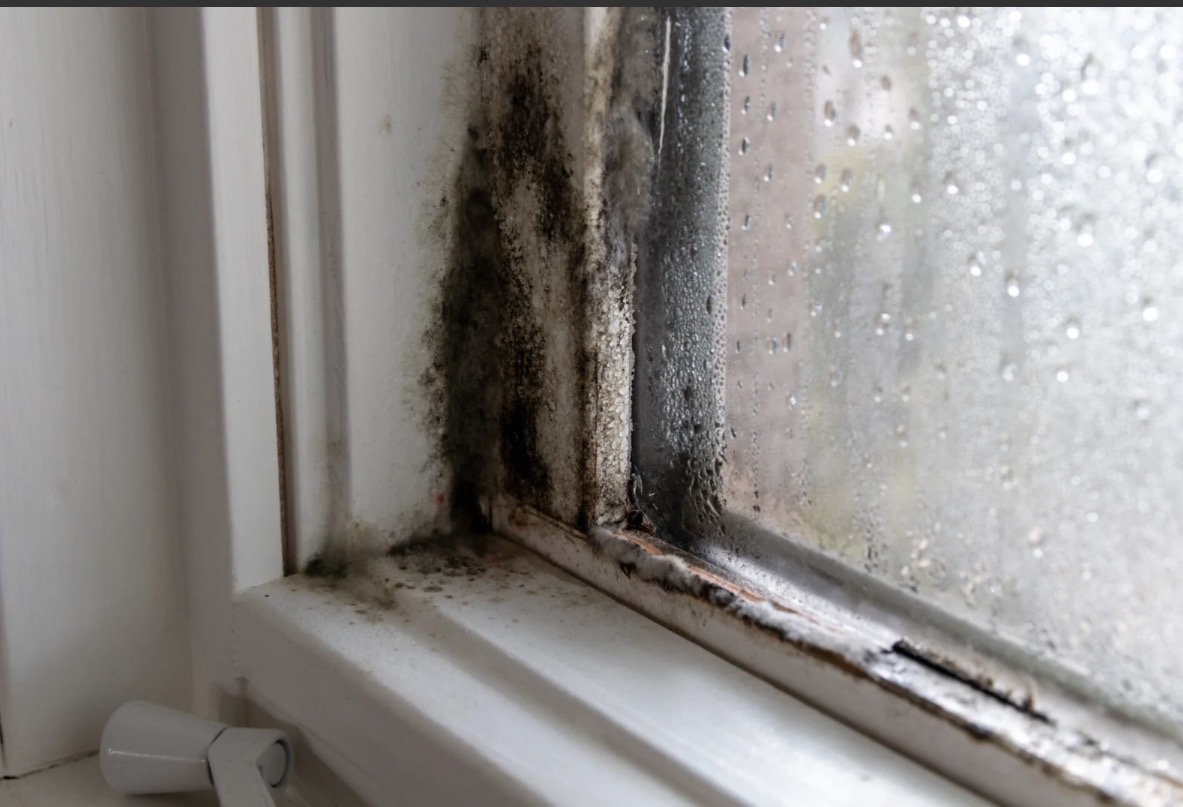
Every Barrie winter follows the same pattern. The temperature drops, the windows fog up overnight, and within a few weeks a dark, speckled film creeps along the bottom of the glass and into the corners of the frame. Most people reach for a cloth and treat it as a cleaning chore.
It isn't. Mould on a window is a message. It's telling you that moisture is collecting somewhere it shouldn't — and if you only wipe it away, it will be back before the next cold snap. The good news is that once you can read the message, both the cleanup and the permanent fix are simple. This guide shows you how.
First, figure out which kind of window moisture you have
Not all window moisture means the same thing. Before you clean anything, look closely, because the three types have completely different fixes.
1. Condensation on the inside of the glass (room side). This is the classic foggy pane and wet sill you can wipe with your hand. It means the indoor air is too humid for how cold your glass is getting. This is the type that feeds mould, and it's very fixable.
2. Fog trapped between the panes. If the haze sits in the middle of the glass and you can't wipe it off from either side, the sealed glass unit has failed. The seal around an insulated glass unit eventually breaks down, the insulating argon escapes, and moisture gets in permanently. A failed unit also stops insulating properly — which makes the glass colder and condensation worse everywhere else. This one isn't a cleaning problem; the glass unit (or the window) needs to be replaced.
3. Condensation on the outside of the glass in the morning. Counterintuitively, this is usually a good sign. It means your windows are insulating so well that the outer pane stays cold while your heat stays inside. It clears on its own as the day warms up and needs no action at all.
The rest of this guide deals with type one — the condensation that grows mould.
Why your windows grow mould (and the colour doesn't matter)
Mould needs two things: moisture and an organic food source like dust, skin cells, or wood. It can't eat glass, vinyl, or metal — so when you see it on a pane or frame, it's actually living in the thin film of dust on the surface, fed by trapped condensation.
In winter, the air inside your home carries a lot of moisture from cooking, showering, laundry, houseplants, and simply breathing. When that warm, damp air meets a cold window, it cools past its dew point and the moisture condenses into water. Add a little dust and you've built the perfect home for mould. That's why it's always worst on older single-pane and metal-framed windows, and in humid rooms like kitchens, bathrooms, and bedrooms that stay closed overnight.
One myth worth clearing up: a lot of advice sorts mould into "black, white, and green" types and ranks them by danger. In reality, colour isn't a reliable guide to what the mould is or how harmful it is — the same growth can look different on different surfaces. Health Canada's guidance is refreshingly simple: clean up any visible indoor mould promptly, whatever colour it is, and you generally don't need lab testing to do it. For most healthy people it causes irritation like sneezing or itchy eyes rather than serious illness, but people with asthma, allergies, or weaker immune systems can react more strongly — so don't let it sit.
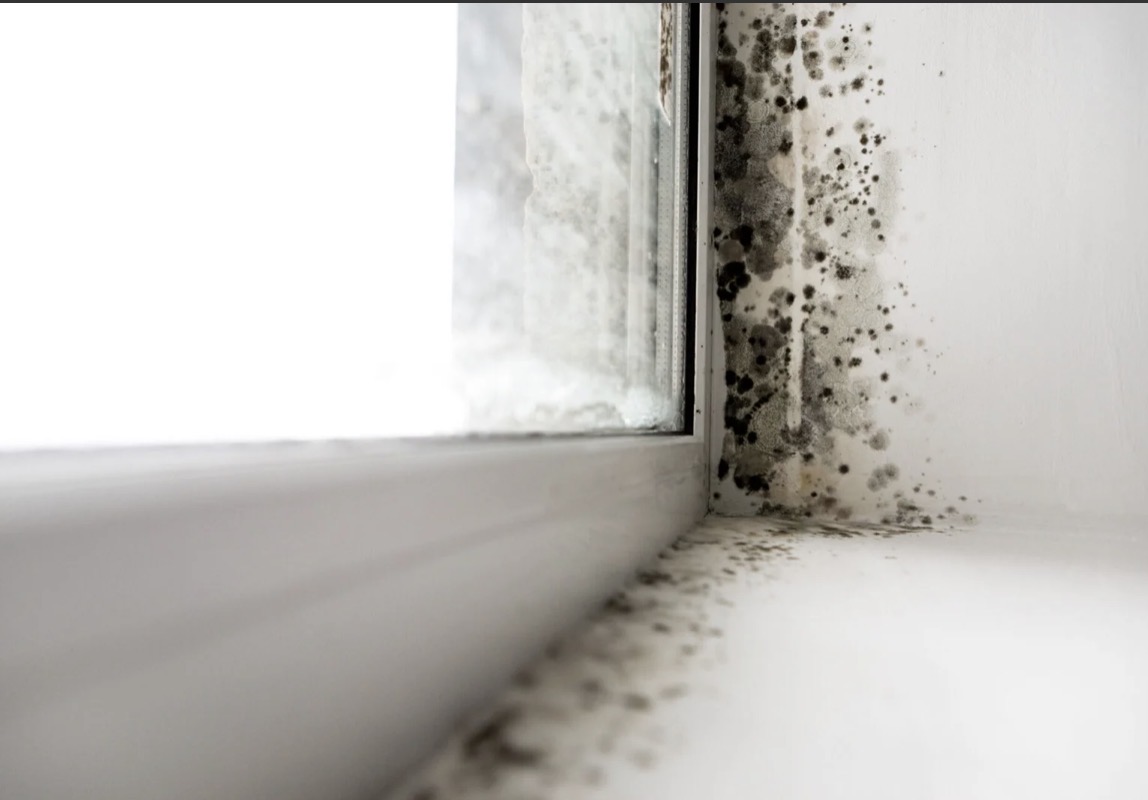
Cleaning it the right way
For a small patch on a non-porous surface — glass, a vinyl frame, a painted sill — you can handle it yourself in a few minutes:
- Glove up, and wear a mask if you're sensitive or the patch is more than small.
- Dampen it first so spores don't go airborne — never dry-scrape mould.
- Wipe with detergent and water, or plain white vinegar. Vinegar works well on hard surfaces, and you usually don't need bleach for window mould.
- Dry the area completely. This step matters most — leftover moisture is exactly what lets it grow straight back.
- Seal your cloths in a bag and wash your hands afterward.
Call a professional instead if the mould covers more than roughly a square metre (about ten square feet), keeps returning after you clean it, or has spread into porous material like drywall or bare wood. Saturated porous materials usually can't be cleaned and need replacing — and recurring mould is a sign of a moisture or window problem that no amount of scrubbing will solve.
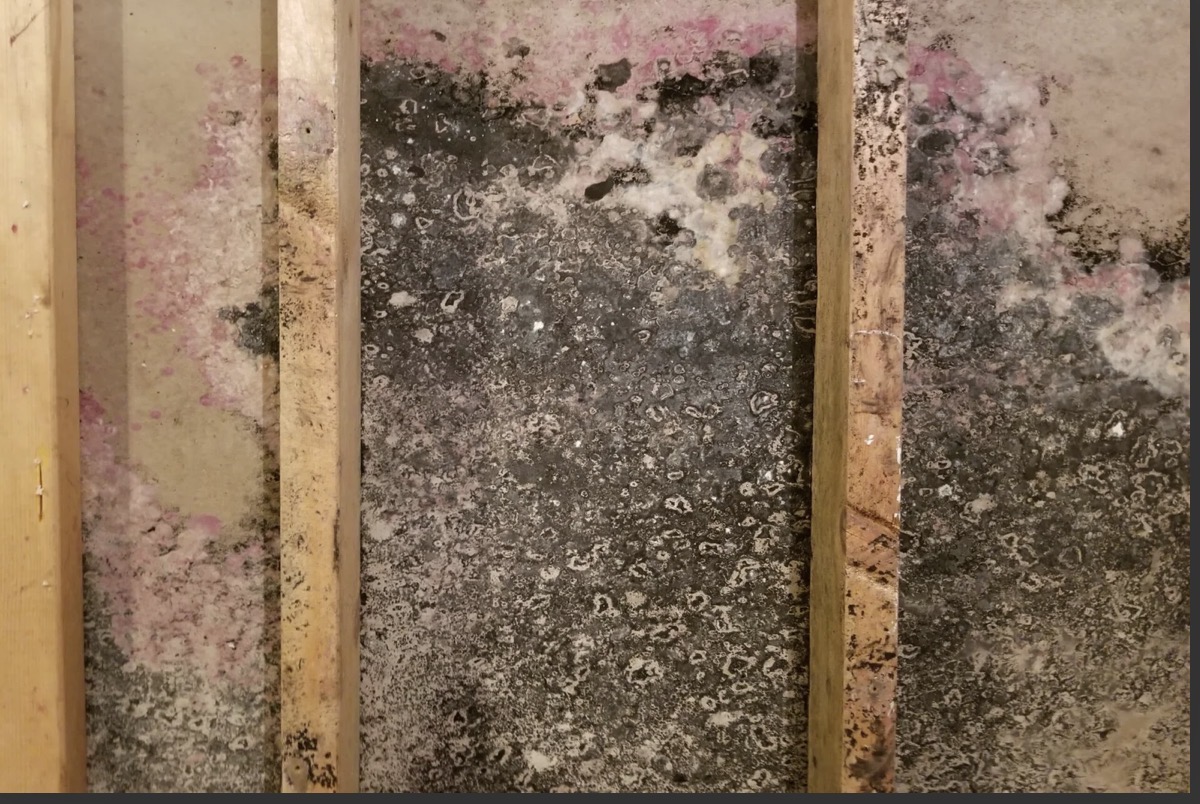
Stopping it for good: fix the cause, not the symptom
Cleaning treats the spot. To stop mould returning, you have to lower the moisture in the air and warm up the cold surface it lands on.
Control your humidity. Aim for around 30–50% relative humidity indoors, and keep it toward the lower end during deep cold. A small hygrometer costs a few dollars and takes the guesswork out; a dehumidifier or your furnace humidifier setting handles the rest.
Move the air. Run kitchen and bathroom exhaust fans, open blinds and curtains during the day so air can flow across the glass, and consider a heat recovery ventilator (HRV) — ideal for tightly sealed Ontario homes — to swap stale humid air for fresh air without losing your heat.
Warm the glass. This is where the window itself does the work, and it's the only fix that's truly permanent.
How modern windows end the condensation cycle
Because condensation is the root cause, the lasting solution is keeping your interior glass warm enough that indoor air never reaches its dew point. Today's energy-efficient windows are engineered to do exactly that:
| Feature | What it does for condensation |
|---|---|
| Double- or triple-pane glass | Adds insulating layers that keep the inner pane warmer |
| Low-E coating | Reflects heat back into the room |
| Argon gas fill | Insulates better than plain air between panes |
| Quanex/Edgetech Super Spacer® | Removes the cold band around the glass edge where mould starts |
Double-pane vs. triple-pane: both are a major leap over old single-pane windows, but triple-pane units, paired with Super Spacer®, hold a higher condensation resistance — meaning the indoor glass stays warmer in extreme cold and resists fogging longer. In a climate like Barrie's, where cold snaps and lake-driven humidity push windows hard, that extra margin is what keeps the bottom corners dry.
One honest caveat: new windows seal a home more tightly, so they can actually raise indoor humidity if your ventilation doesn't keep up. The best results come from pairing efficient windows with good airflow — together they give you dry, mould-free windows that stay that way.
Frequently asked questions
Why does mould keep coming back even after I clean it?
Because cleaning removes the mould but not the moisture feeding it. Until you lower indoor humidity or warm up the cold glass it's condensing on, it will return every cold spell.
Is window condensation always bad?
No. Light condensation between the panes means a failed glass unit, and condensation on the outside of the glass actually means your windows insulate well. It's persistent condensation on the inside that leads to mould.
Will new windows guarantee I never see condensation again?
They dramatically reduce it by keeping the interior glass warmer, but no window eliminates it entirely if indoor humidity is very high. Efficient windows plus sensible ventilation is the combination that works.
The fog is between the panes and I can't wipe it off — what is that?
A failed seal in the insulated glass unit. The argon has escaped and moisture is now trapped inside. The glass unit or window needs replacing — and Trust Build Windows and Doors can replace just the glass unit in many cases.
What humidity level prevents window mould in winter?
Roughly 30–50% relative humidity, leaning lower during very cold weather. A cheap hygrometer tells you where you stand.
Talk to Trust Build Windows and Doors
If condensation and mould keep returning to your Barrie windows, the windows themselves are usually the long-term answer. Trust Build Windows and Doors has served Ontario homeowners since 2016, with work completed in more than 8,700 homes, an A+ Better Business Bureau rating, a 4.9★ Google score, and a HomeStars Best of Award.
What you get with us:
- ENERGY STAR® certified windows with low-E glass, argon fill, and Quanex/Edgetech Super Spacer® built to fight condensation in our climate.
- Expert installation by our own in-house crews — never subcontractors — so every window is sealed and finished right.
- Clear, accurate guidance to match the right window to each room and your budget.
- Glass-unit replacement for fogged or failed-seal windows, often without replacing the whole frame.
- 0% financing for 12 months through Financeit, plus ENERGY STAR® certified upgrades that may qualify for the Home Renovation Savings™ program — ask our team what you may be eligible for.
Request a quote and we'll assess your windows, explain your options in plain language, and leave you with a no-pressure quote.
📞 1-800-563-1273 · Open 7 days a week, 9 AM–6 PM. Serving Barrie, Concord, Grimsby, East Gwillimbury, and Southern Ontario.
These tips help with mould prevention and removal, but for large or recurring growth it's always best to consult a professional.