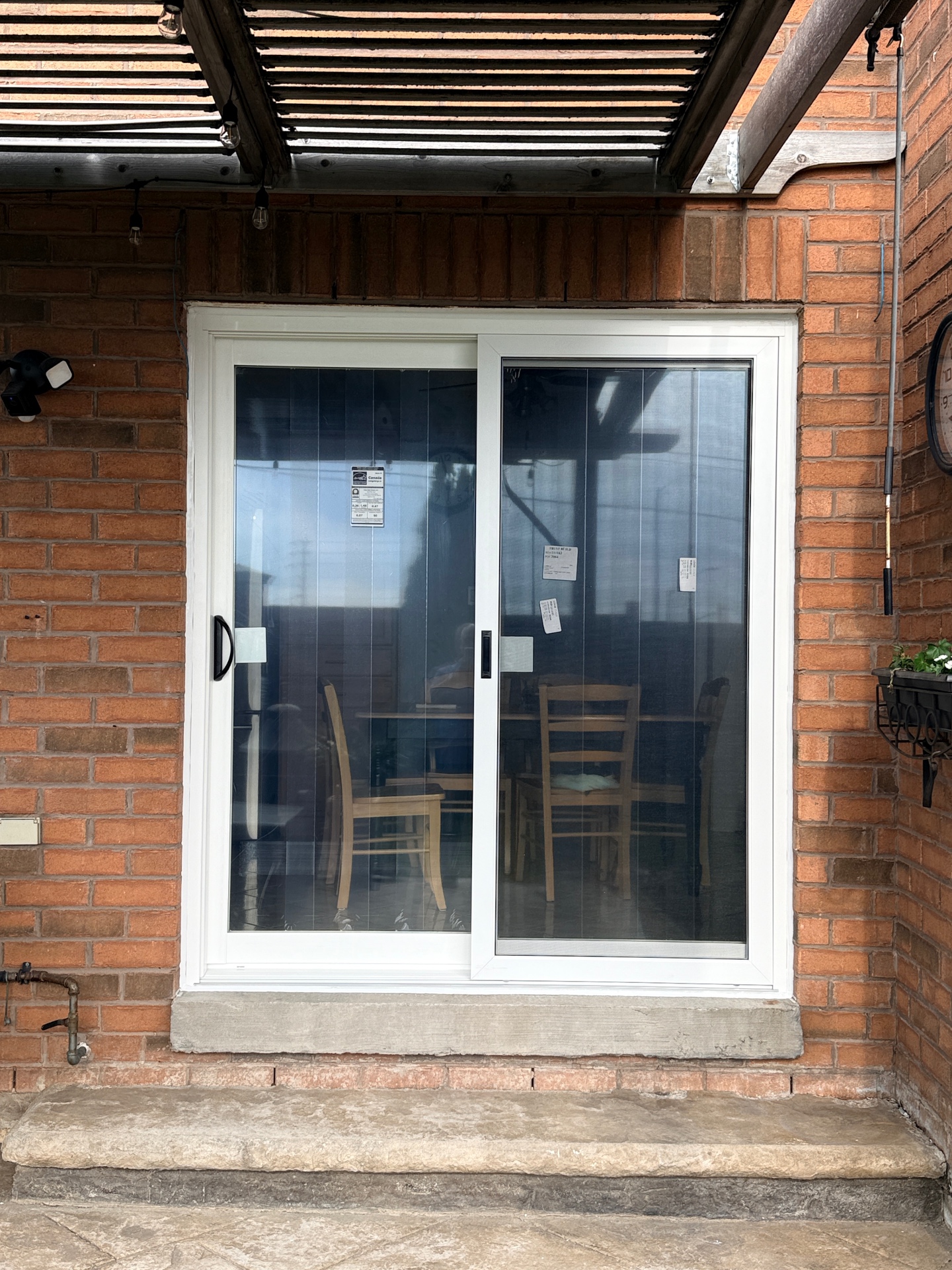

Summer gets treated as the obvious answer, but it's actually the busiest, most expensive, and longest-lead-time season for window replacement in Ontario — which makes it the season most likely to leave you waiting the longest for the worst price.
Why summer is the default assumption, and why that's backwards
Warm weather feels like the safe choice for having openings exposed during installation, and it's true that any season can technically work for a well-run installation. But because everyone shares that assumption, summer is when contractor schedules fill up fastest, lead times stretch longest, and pricing tends to sit at its highest point of the year due to sheer demand volume.
What fall and early winter actually offer
Demand drops noticeably once the school year starts, which means shorter lead times and more scheduling flexibility. Installation crews experienced with cold-weather work can install windows efficiently well into the colder months — a properly run crew manages a single opening's exposure time regardless of outdoor temperature, since a window installation exposes one opening at a time, not the whole house at once.
Where a real limit exists
Extreme cold does affect certain materials and sealants, which is why experienced installers plan around forecasts rather than working through anything regardless of temperature. There's a practical lower threshold where certain sealant products need temperature-appropriate formulations or a brief pause, but this is a scheduling detail an experienced crew manages, not a reason to rule out cold-weather installation entirely.
Permit and scheduling timing that's easy to miss
Municipal permit processing timelines don't change with the seasons, but application volume does — permit offices see a surge of applications in spring as homeowners start planning summer projects, which can extend approval timelines during that window. Applying in late fall or winter for a project planned for the following spring often moves through the permit process faster simply due to lower volume.
The pricing pattern worth knowing
Contractors pricing against a fuller summer schedule have less incentive to offer flexibility on cost or promotions. Late fall and winter, when crews have more open calendar space, is when financing promotions and scheduling flexibility both tend to be at their best — the same underlying installation, priced against a quieter season.
What actually should drive your timing decision
Product lead time matters more than installation timing for custom sizes or specific colours and finishes — ordering early regardless of season avoids being caught waiting once you've decided to move forward. Beyond that, the honest answer is that the "right" season is more about your own schedule and the urgency of the problem — a failing window doesn't wait for a preferred season, but a planned upgrade with no urgency has real advantages to slotting into the quieter months.