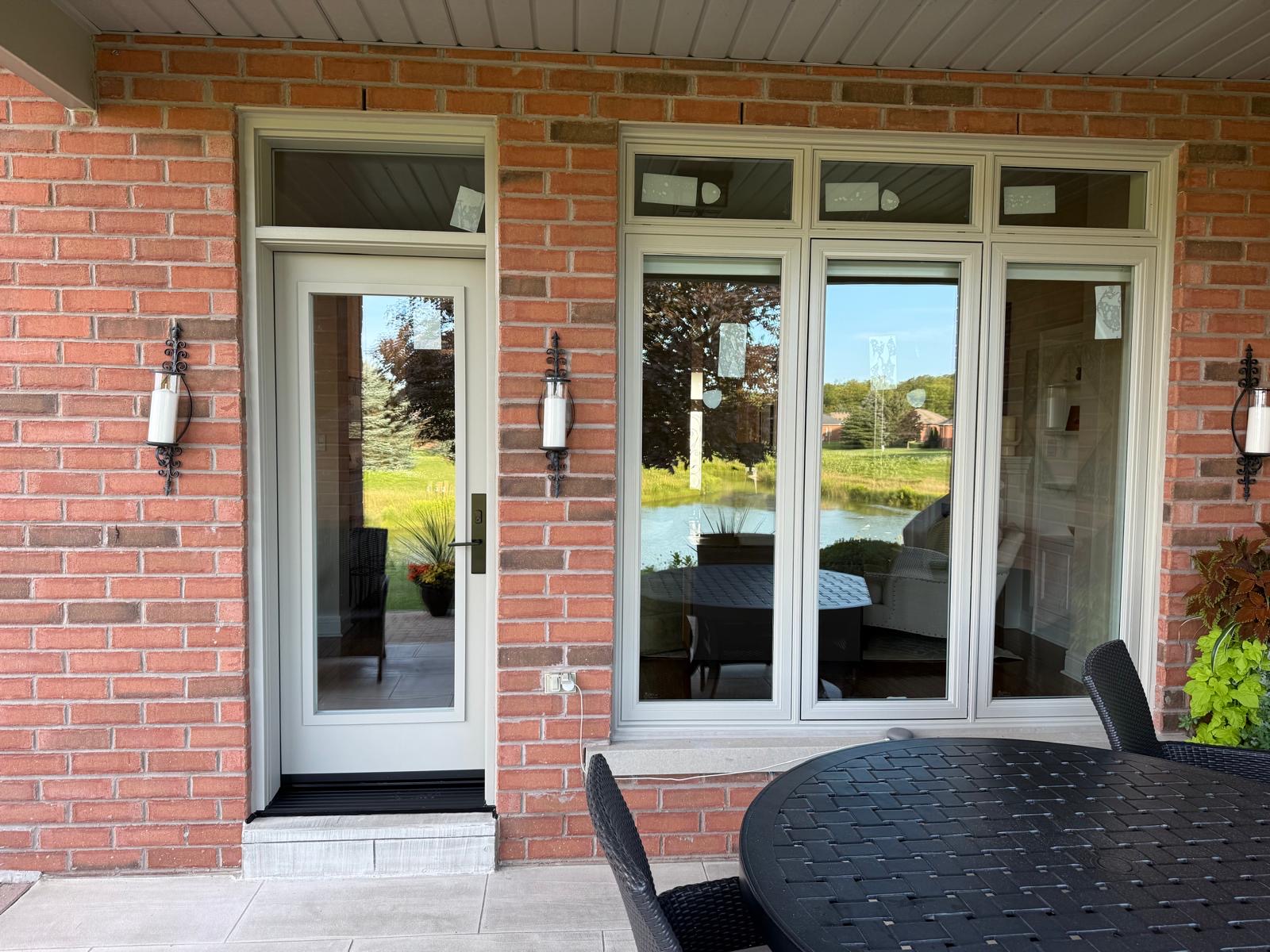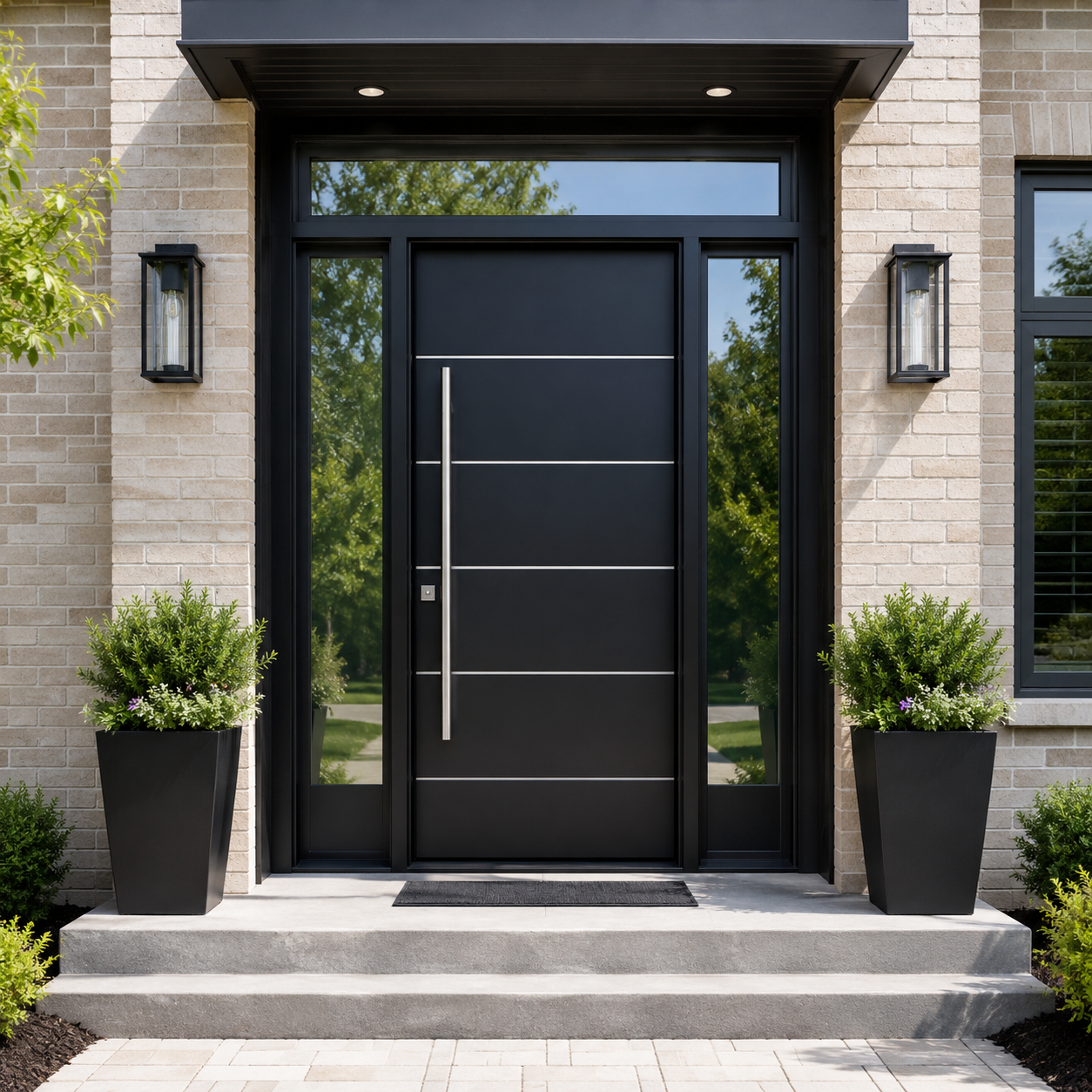
Four different glass-related products get lumped into "home security glass" conversations, and they solve four genuinely different problems. Knowing which does what stops homeowners from either overpaying for the wrong one or assuming a product does more than it actually does.
Tempered glass
Tempered glass is heat-treated so that when it does break, it shatters into small, relatively blunt pieces instead of long shards. It's a safety product, not a security one — its job is reducing injury risk in locations code requires it, like glass near doors or low to the floor, not slowing down a break-in. It offers no real resistance to a deliberate strike; if anything, it breaks more completely than standard glass.
Laminated glass
Laminated glass bonds two glass layers to a plastic interlayer at the factory. Struck hard enough, it cracks, but the interlayer holds the pieces in place rather than letting them fall away or open a hole. This is a genuine security upgrade built into the window unit itself, and it's the option that makes sense when windows or doors are being replaced anyway — it's specified at order time alongside the rest of the glass options on a new unit.
Impact-rated glass
Impact-rated glass is a specific engineered category built and tested to a standard for resisting repeated strikes from a specified object under a defined force — the kind of rating used in coastal or storm-prone regions for wind-borne debris, and increasingly specified for higher security-risk applications. It's a step beyond standard laminated glass in both testing rigour and typically in cost.
Security film
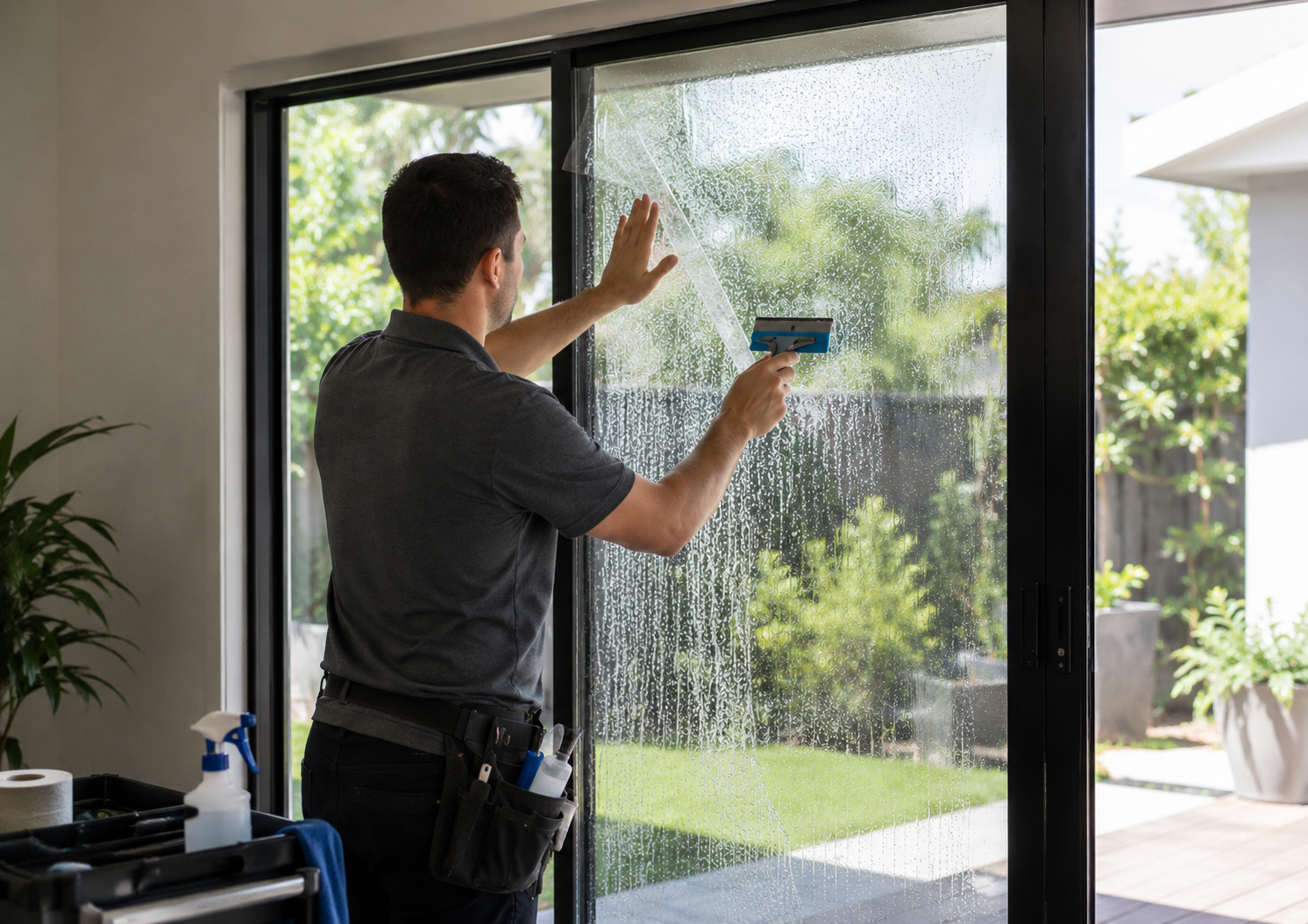
Security film is the retrofit option — a polyester laminate applied to glass that's already installed, rather than a property of the glass unit itself. It's covered in detail in our security film guides, but the short version: it's the right tool when the glass is fine and a renovation isn't already happening.
How they work together in a layered strategy
None of these four is a complete answer by itself, which is why "layered security" is the more useful way to think about it. A common approach: laminated or impact-rated glass on any windows and doors already being replaced, security film on vulnerable openings that aren't part of that project, and tempered glass wherever code requires it regardless of security considerations. Each product does its own job; stacking them is what actually raises the overall difficulty of getting through a home's glass.