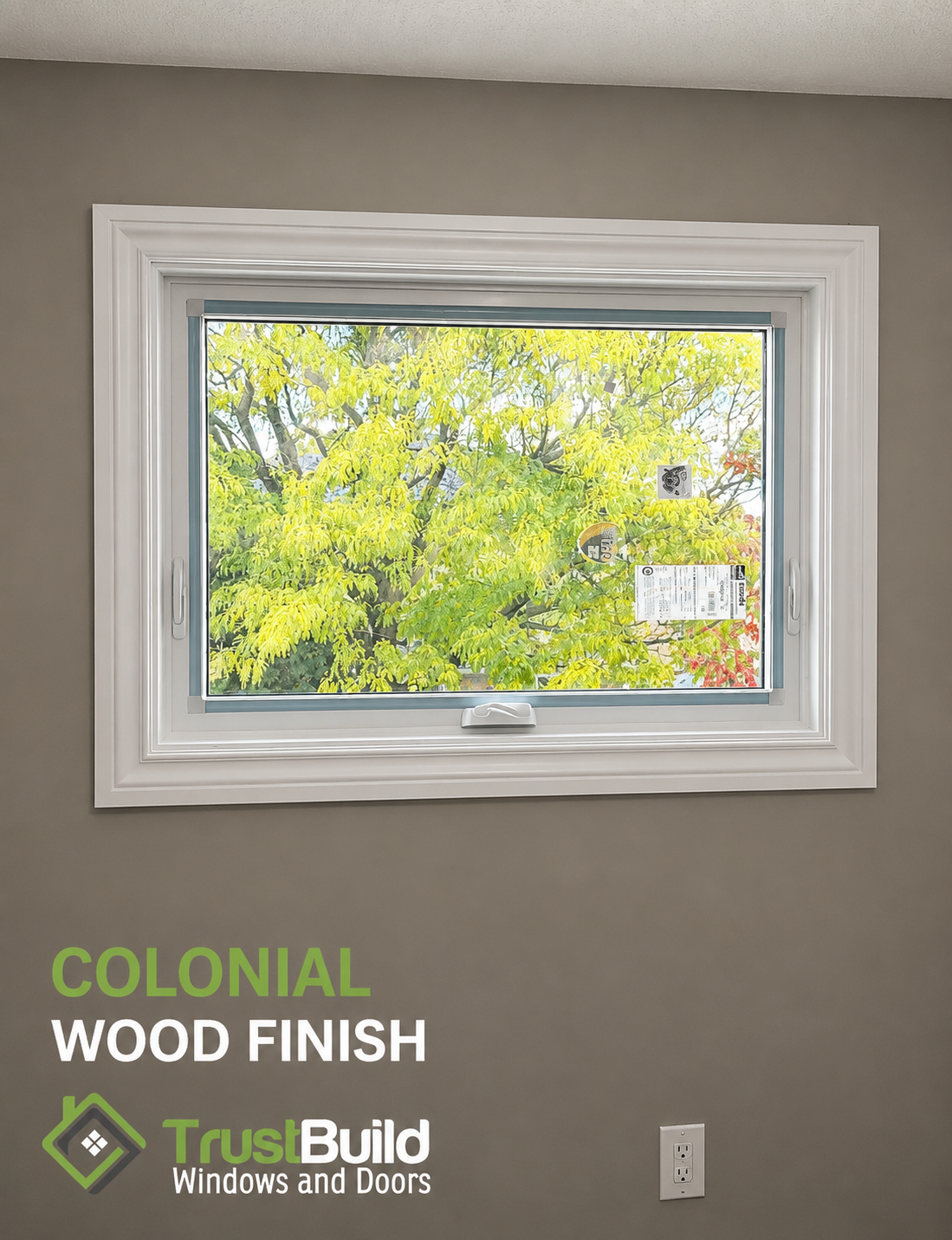
Most homeowners assume upgrading their windows means choosing between two extremes: a full-frame replacement that tears out everything, interior trim included, or a basic retrofit that leaves the old frame in place. Hybrid installation — sometimes called split frame installation — exists specifically for the homeowners who don't want either compromise: they want genuinely new, energy-efficient windows, but they also have interior wood trim worth keeping.
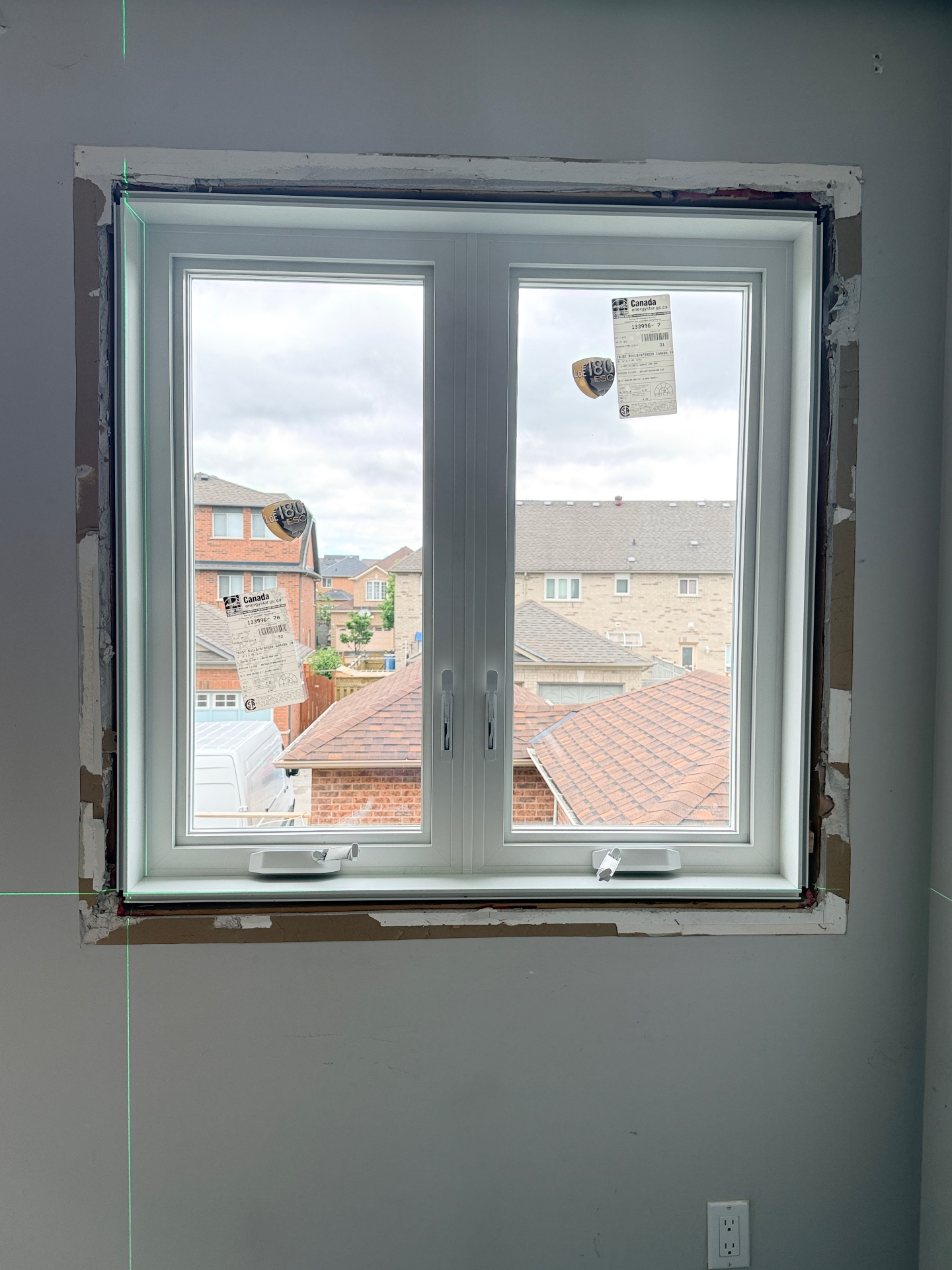
What hybrid installation actually is
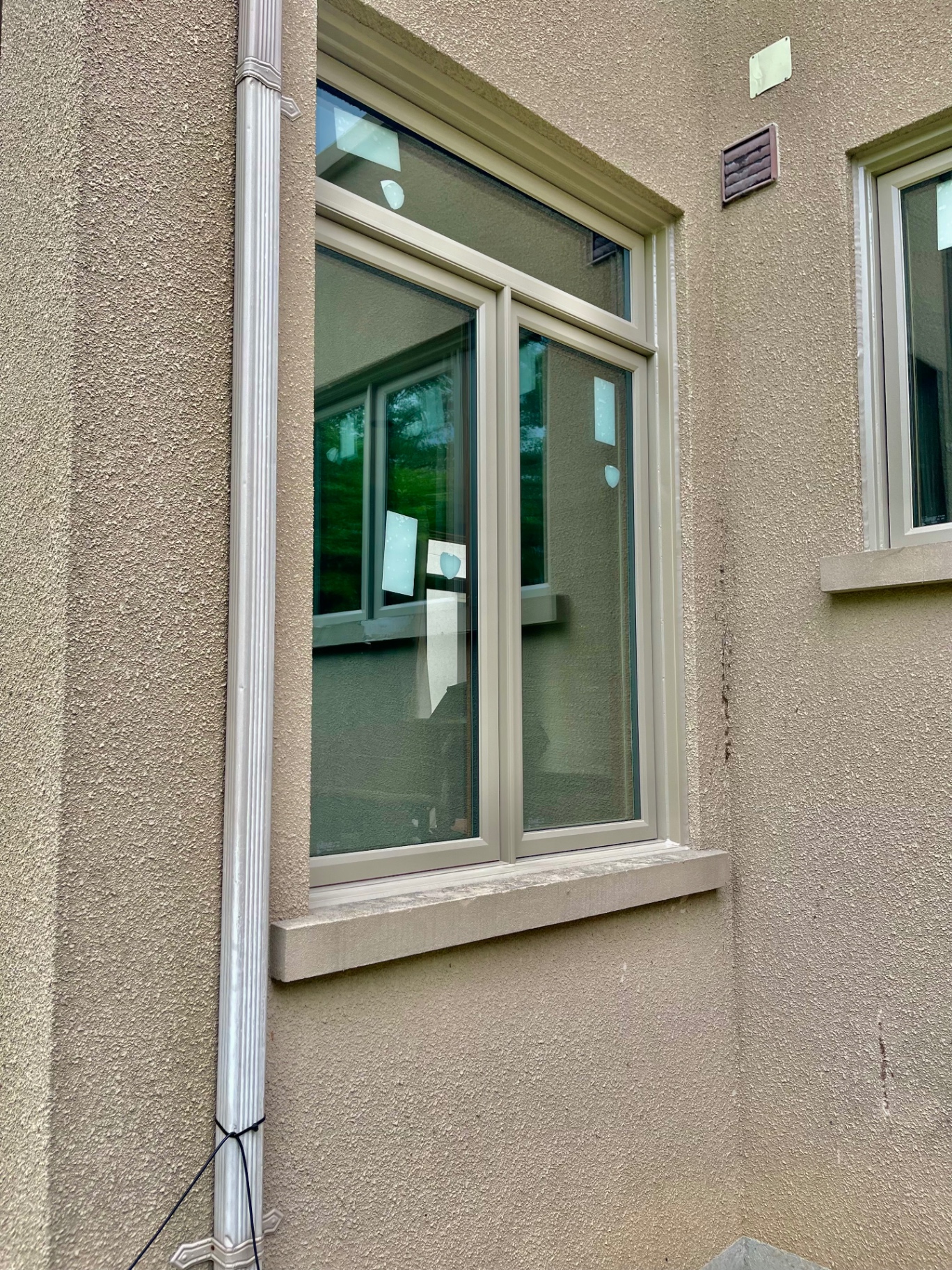
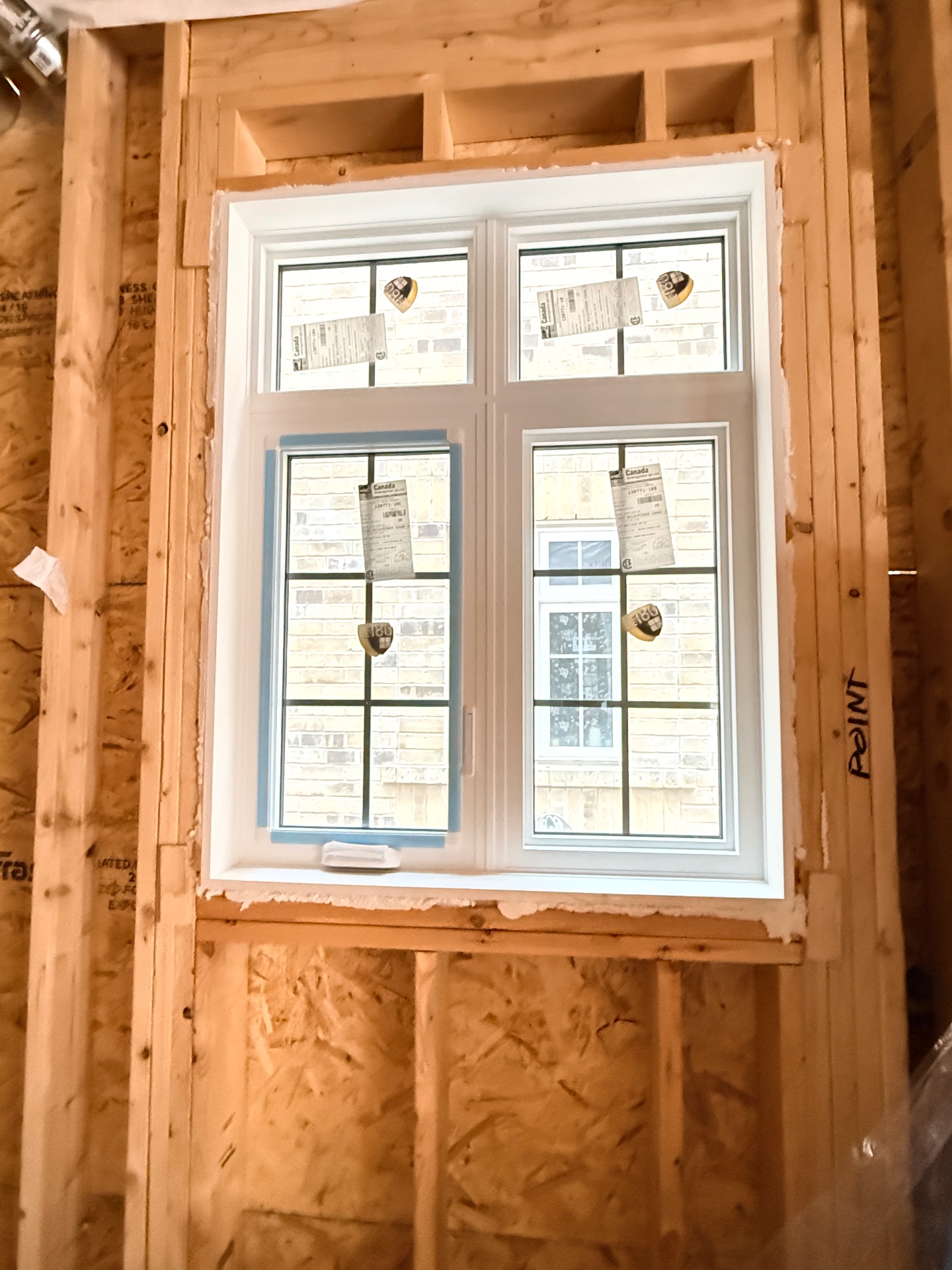
Hybrid installation replaces the window on the exterior side completely, down to a full new frame, while leaving your original interior casing and jamb extension untouched. It's essentially a full-frame replacement and a retrofit combined — new performance on the outside, original craftsmanship preserved on the inside.
This approach tends to make the most sense in a specific situation: the existing window is vinyl, the jamb extension is wood, and the interior casing is either custom millwork or higher-quality wood trim the homeowner has no interest in replacing. If any one of those isn't true — say, the interior trim is basic and not worth preserving — a standard full-frame replacement is usually simpler and not meaningfully more expensive.
How the installation actually works
- Selective Removal — The crew removes the exterior brickmould and the old window frame entirely, but leaves the interior casing and jamb extension exactly as they are. This is the step that separates hybrid from a full-frame job — everything visible from inside the room stays put.
- Cleaning and Prep — The stud cavity between the brick and drywall gets vacuumed out, and old exterior caulking is stripped from the surrounding brick or siding, so the new seal isn't going on top of decades-old material.
- Setting the New Window — The new window (without brickmould, since that gets fabricated separately later) is set into the opening, centered with even gaps on both sides, shimmed level at the bottom corners, and screwed securely into the studs.
- Insulating from Outside — Low-expansion spray foam is applied from the exterior side, filling the gap between the new frame and the studs. This step matters more than it sounds — poorly packed insulation here is one of the more common causes of drafts in any window installation, hybrid or otherwise.
- Finishing the Exterior — The gap between the window and the brick or siding gets measured, and custom aluminum capping is fabricated specifically to fit — not a generic size. Exterior caulking then seals around that capping to complete the weatherproofing.
What you gain with this approach
Lower cost than full-frame replacement. Preserving the interior trim means less demolition, less finishing work, and less material — which shows up directly in the price compared to a complete replacement.
Your interior trim stays exactly as it is. If you have custom millwork, matched wood casing, or trim that would be expensive or impossible to replicate, this is the entire point of choosing hybrid over full-frame.
Blinds and window treatments don't need adjusting. Since the interior opening dimensions don't change, existing blinds, shutters, and hardware continue to fit without modification — something that's easy to overlook until you're staring at blinds that no longer match a newly resized opening.
It still qualifies for rebates. Paired with ENERGY STAR® certified windows, hybrid installation typically still qualifies for Canadian home energy rebate and grant programs that reward improved insulation and window performance — so preserving your trim doesn't mean giving up the financial incentives a full replacement would get.
The one real tradeoff
There's a genuine limitation worth understanding before choosing this method: if the original jamb was never properly insulated, you can't add insulation there without removing the interior trim you're trying to preserve. In other words, hybrid installation upgrades the exterior frame and seal, but it can't fix a pre-existing insulation gap on the interior side without undoing the whole point of the method. If you suspect that's already an issue in your home, it's worth having that checked before committing to this approach specifically.
Who this is actually right for
Hybrid installation makes the most sense for homeowners who want meaningfully better energy performance without a full renovation-level project, and who have interior trim genuinely worth keeping — not just trim they haven't gotten around to replacing. If your interior casing is unremarkable, a full-frame replacement often makes more sense long-term, since it resolves both the exterior and interior in one pass rather than leaving a known limitation on the interior side.
Get a quote
Trust Build Windows and Doors has served more than 8,700 Ontario homes since 2016, with all installation handled by our own expert crews — never subcontractors.
Get a free quote: request a quote online.
Or reach us at hello@trustbuildwindows.com · 1-800-563-1273 · 416-751-5581
Trust Build Windows and Doors — 1950 Hwy 7, Building C, Unit 1B, Concord, Ontario L4K 3P2. Proudly serving Ontario homeowners.