Of the installation methods homeowners ask us about, retrofit is usually the one they've already heard is "the cheap option." That's true, but it's an incomplete way to think about it. Retrofit isn't a compromise version of a full-frame replacement — it's a genuinely different method suited to a genuinely different situation. The trick is knowing whether your windows are actually in that situation, or whether retrofit would just be papering over a bigger problem.
What retrofit installation actually is
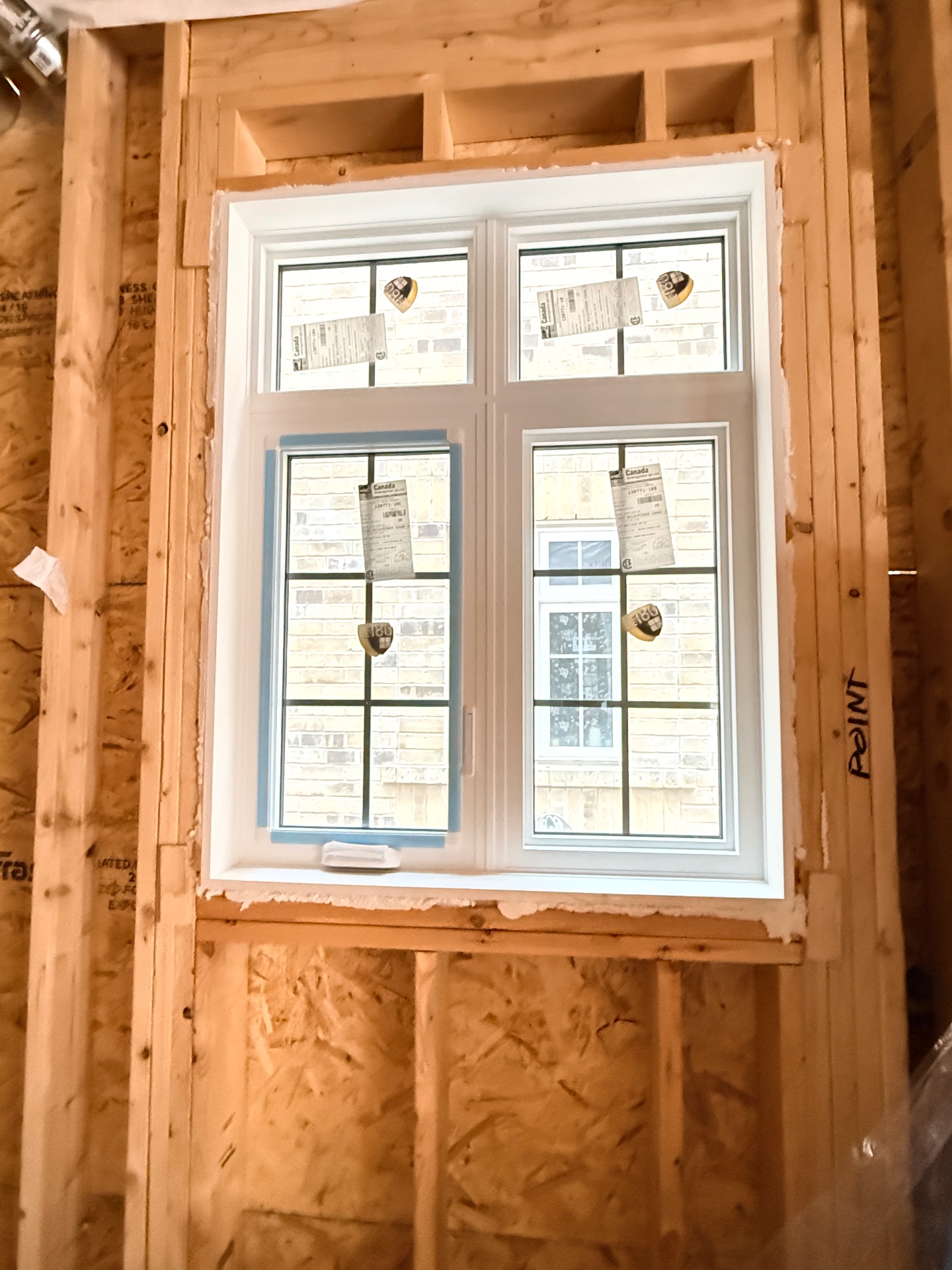
Retrofit — sometimes called insert installation — replaces the window itself while leaving your existing frame, interior casing, and jamb extension in place. The new window is sized to fit inside what's already there, rather than tearing the opening back to bare studs the way brick-to-brick or stud-to-stud installation does.
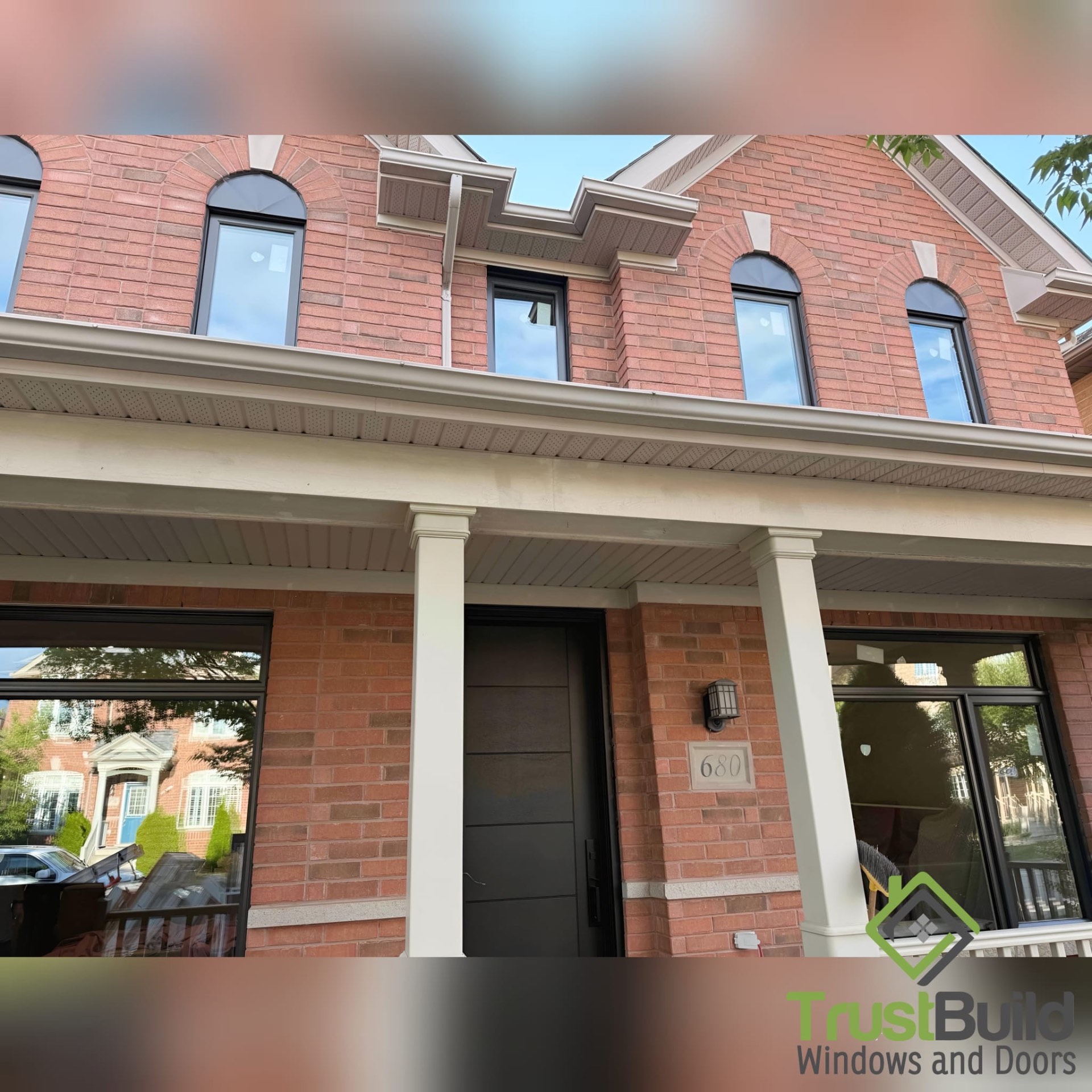
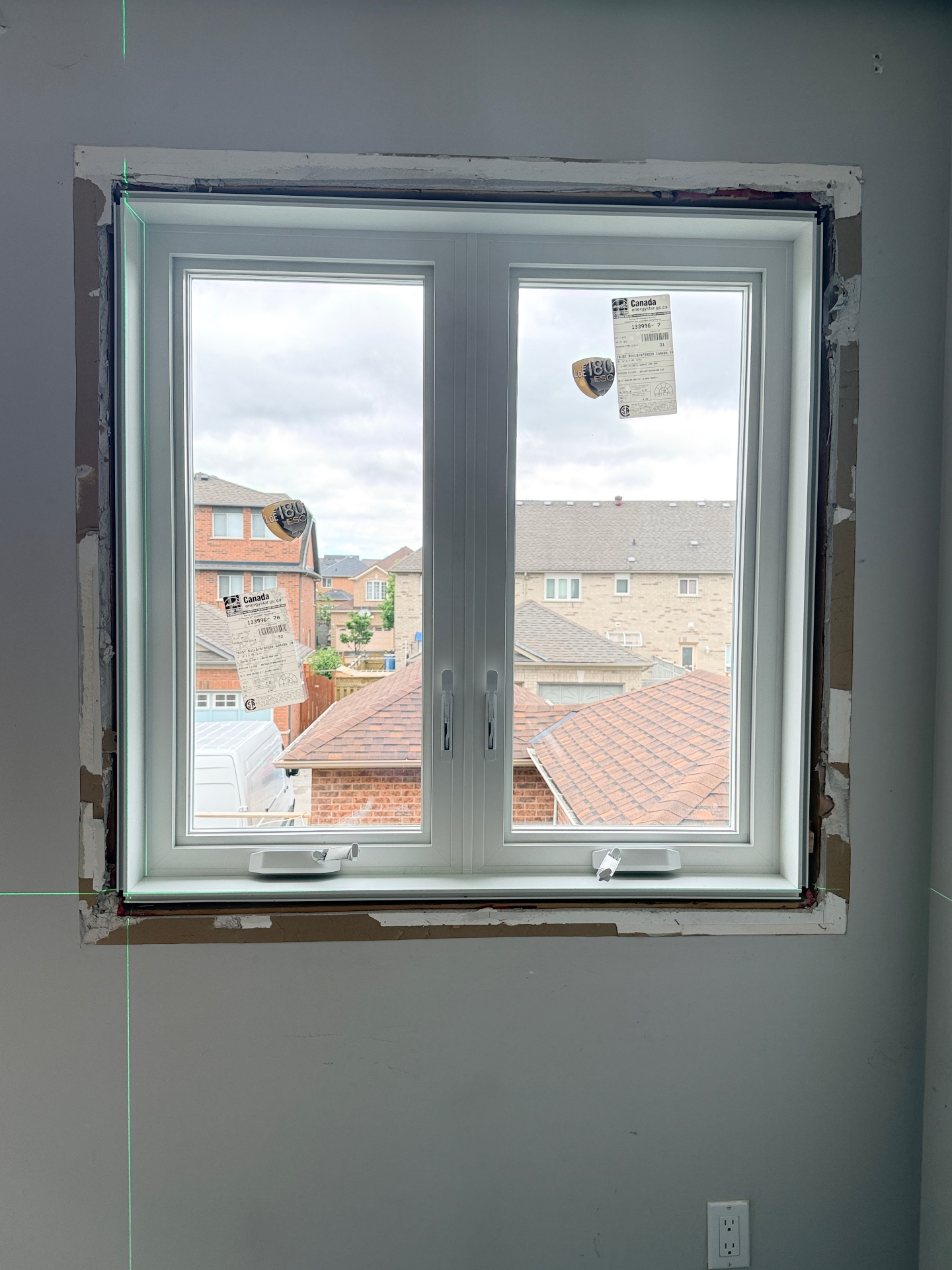
The process, in short: the old glazing and sash come out, but the exterior brickmould, interior trim, and jamb extension all stay put. The new window is set into that existing frame, shimmed level, and sealed with low-expansion spray foam. Exterior finishing involves fabricating custom aluminum brickmould to cover the transition, caulked for a clean seal. Interior finishing is minimal, since the original trim never came off in the first place.
That last point is really the whole method in one sentence: retrofit works by leaving the existing structure alone and building the new window into it, rather than replacing the structure itself.
Why homeowners choose it
It costs less than full-frame replacement. With no demolition down to the studs and no new interior trim to install, retrofit is consistently the more affordable option — often the deciding factor for homeowners replacing many windows at once.
Your interior stays untouched. The original casing and jamb extension remain exactly as they are, which matters if you have trim you'd rather not lose, or simply want to avoid the mess and disruption of interior demolition and refinishing.
Existing shutters and blinds usually still fit. Since the interior opening dimensions don't change, most window treatments carry over without modification. One thing worth checking first: the depth of the window ledge (jamb) needs enough clearance for the shutter hardware to sit properly — worth confirming before assuming everything will fit as-is.
Where retrofit falls short
Hidden problems stay hidden. This is the trade-off that matters most. Because the original frame and studs are never exposed, any rot, mould, or water damage already present in the wall cavity goes unaddressed — and, worse, undetected. If there's already a problem behind your existing frame, retrofit installs a brand-new window directly on top of it rather than fixing it.
No opportunity to add insulation. Since the wall cavity stays closed, there's no way to improve insulation between the frame and the studs the way a full-frame method allows. If your current windows are drafty specifically because of poor cavity insulation (rather than just old glass), retrofit won't solve that part of the problem.
Slightly less glass, slightly less light. Because the new window fits inside the existing frame rather than filling the full rough opening, you lose a small amount of visible glass area — usually not dramatic, but noticeable on already-small windows.
A bulkier exterior profile. With the existing brickmould still in place and a new aluminum capping layered over it, the finished exterior sits a bit thicker and more prominent than a full-frame installation, which starts from a clean opening.
Is retrofit right for your home?
The honest answer depends entirely on what's actually happening behind your current window, not just its age. Retrofit makes the most sense when:
- Your existing frame is structurally sound, with no visible rot, warping, or water staining
- You're not trying to enlarge or reduce the window opening
- Cost and minimal disruption matter more to you than maximizing insulation or glass area
It's the wrong call when:
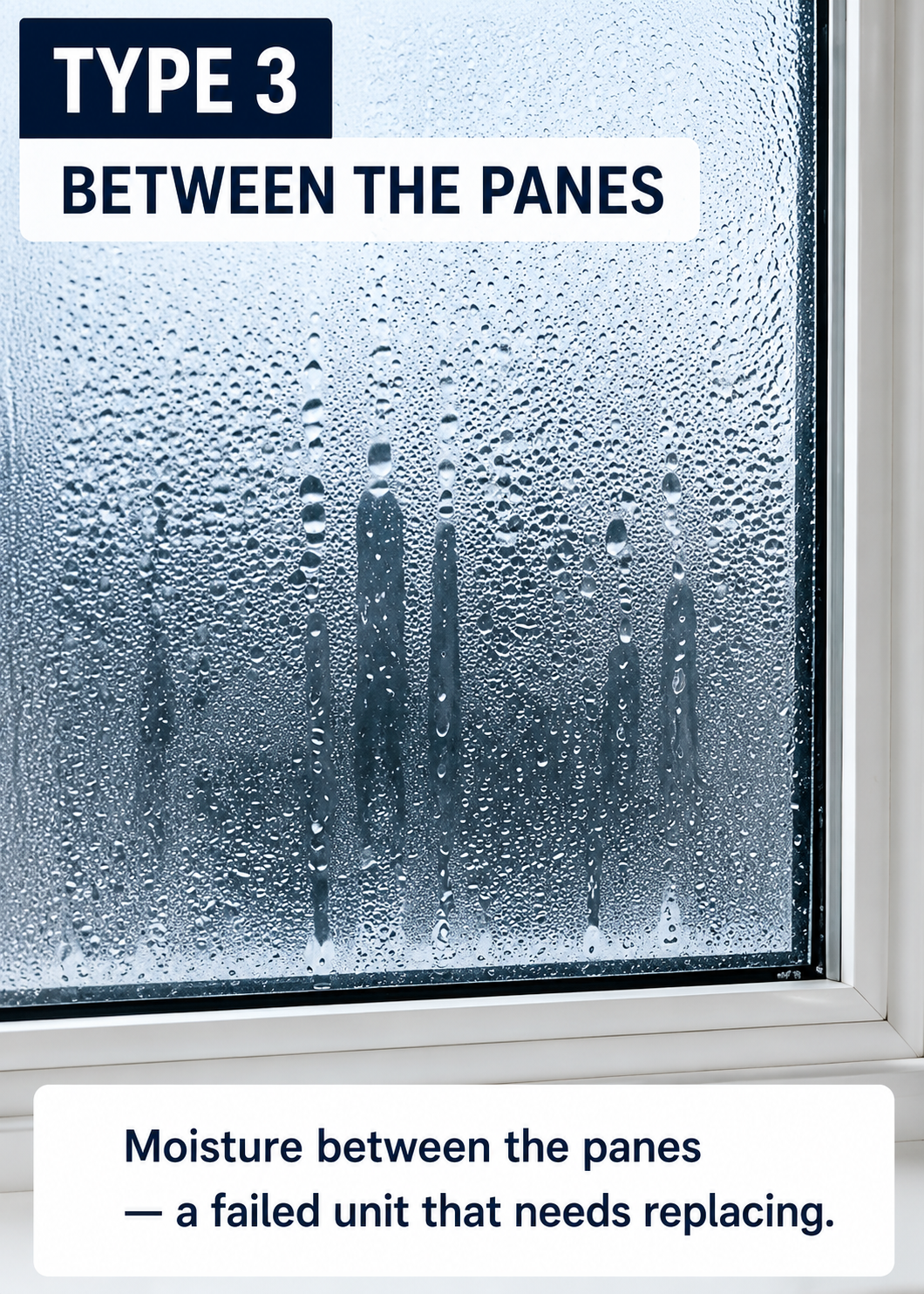
- You've already noticed drafts, condensation between panes, or water staining around the frame — these usually point to a problem retrofit can't reach
- You're converting a window to a different size or type
- Long-term energy performance matters more to you than upfront cost
For a side-by-side breakdown against the alternative, our brick-to-brick vs. retrofit comparison walks through cost, lifespan, and performance differences in more detail. And if you're weighing whether your specific situation calls for something more involved, our hybrid installation guide covers a middle-ground option worth knowing about too.
Get a quote
Trust Build Windows and Doors has served more than 8,700 Ontario homes since 2016, with all installation handled by our own expert crews — never subcontractors.
Get a free quote: request a quote online.
Or reach us at hello@trustbuildwindows.com · 1-800-563-1273 · 1-416-751-5581
Trust Build Windows and Doors — 1950 Hwy 7, Building C, Unit 1B, Concord, Ontario L4K 3P2. Proudly serving Ontario homes.